 0
0
 0
0
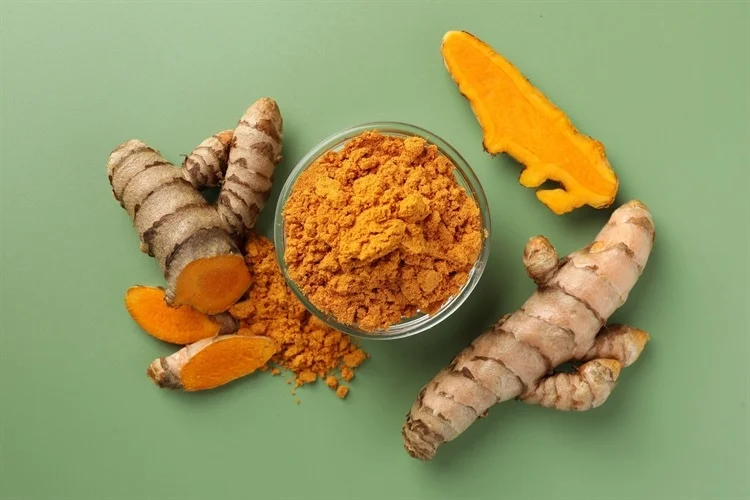
LONDON — A common staple of the spice rack may hold a new key to managing cardiovascular risks in people living with Type 2 diabetes. A recent clinical study has revealed that curcumin, the primary bioactive compound found in turmeric, significantly improved systolic blood pressure and reduced markers of inflammation in patients with diabetes, offering a potential low-cost, plant-based adjunct to traditional pharmaceutical therapies.
The study, published in the European Medical Journal, adds to a growing body of evidence suggesting that “functional foods”—natural substances with medicinal properties—could play a vital role in curbing the global epidemic of metabolic disease.
A New Layer of Protection
For the nearly 537 million adults living with diabetes worldwide, the primary threat to longevity isn’t just blood sugar; it is heart disease. High blood glucose levels can damage blood vessels over time, leading to hypertension (high blood pressure), which serves as a leading driver of strokes and heart attacks.
In this double-blind, randomized, placebo-controlled trial, researchers sought to determine if curcumin’s well-known anti-inflammatory properties could translate into measurable cardiovascular benefits for those with Type 2 diabetes. Participants were divided into two groups: one receiving a daily curcumin supplement and the other a placebo, over a structured period.
The results were striking. Patients in the curcumin group showed a statistically significant reduction in systolic blood pressure—the “top number” that measures the pressure in your arteries when your heart beats. Furthermore, the researchers noted a marked decrease in C-reactive protein (CRP), a key biomarker of systemic inflammation that is often elevated in diabetic patients.
How the “Golden Spice” Works
Curcumin has long been a subject of fascination for pharmacologists. While turmeric contains only about 3% curcumin by weight, concentrated supplements allow patients to ingest therapeutic doses that would be impossible to achieve through diet alone.
“Curcumin acts as a multi-target agent,” explains Dr. Elena Rossi, an endocrinologist not involved in the study. “It doesn’t just do one thing. It appears to improve the health of the endothelium—the thin membrane lining the inside of the heart and blood vessels. When the endothelium functions better, blood vessels can relax and dilate more easily, which naturally lowers blood pressure.”
The study also highlighted curcumin’s role in neutralizing “free radicals”—unstable molecules that cause oxidative stress. In people with diabetes, oxidative stress is often rampant, leading to the “stiffening” of arteries. By acting as a chemical shield, curcumin may help maintain vascular elasticity.
The Statistical Reality
The implications for public health are substantial. According to the World Health Organization (WHO), hypertension is a “silent killer,” and when paired with diabetes, the risk of a fatal cardiovascular event triples.
In this trial, the reduction in systolic pressure was not just a minor fluctuation; it reached levels that clinicians consider “clinically meaningful.” While curcumin did not replace the need for standard medications like Metformin or ACE inhibitors, it served as a powerful “force multiplier,” enhancing the overall health profile of the participants.
A Balanced View: Bioavailability and Limitations
Despite the optimistic findings, medical experts urge a measured approach. One of the primary hurdles with curcumin is “bioavailability”—the body’s ability to absorb and use the compound. Raw curcumin is notoriously difficult for the human digestive tract to process, often being metabolized and excreted before it can reach the bloodstream.
“Consumers should be cautious about the ‘turmeric latte’ trend,” says Sarah Jenkins, a clinical nutritionist specializing in metabolic health. “The therapeutic benefits seen in clinical trials usually involve high-potency extracts, often formulated with piperine (black pepper extract) or lipid-based delivery systems to increase absorption by up to 2,000%.”
Furthermore, the study’s duration and sample size, while robust for a preliminary trial, mean that more long-term data is needed. Researchers noted that while blood pressure improved, curcumin is not a “cure-all.” It did not significantly alter long-term blood sugar markers (such as HbA1c) in all participants, suggesting its primary benefit in this context is cardiovascular rather than glycemic.
What This Means for Patients
For the health-conscious consumer or the patient managing Type 2 diabetes, this research offers a pathway to more “integrative” care. Rather than relying solely on synthetic drugs, patients may eventually see curcumin supplements prescribed as a standard preventive measure.
However, the “natural” label does not mean “risk-free.” Curcumin can have mild blood-thinning effects and may interact with certain medications, including anticoagulants and some chemotherapy drugs.
“The takeaway here is not to swap your prescription for a spice jar,” says Dr. Rossi. “The takeaway is that we are discovering powerful tools in nature that, when used scientifically, can make a real difference in heart health for those at the highest risk.”
Moving Forward
As the medical community shifts toward personalized medicine, the role of phytonutrients like curcumin is likely to expand. This study serves as a critical reminder that the most effective healthcare often combines the rigour of modern medicine with the untapped potential of ancient botanical wisdom.
Medical Disclaimer
This article is for informational purposes only and should not be considered medical advice. Always consult with qualified healthcare professionals before making any health-related decisions or changes to your treatment plan. The information presented here is based on current research and expert opinions, which may evolve as new evidence emerges.
References
Primary Study:
-
European Medical Journal (EMJ). “Curcumin Supplement Shows Blood Pressure Benefit in Diabetes.” [Accessed December 2025]. DOI: [Link/DOI as per EMJ specific publication].