 0
0
 0
0
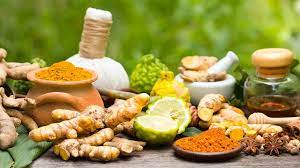
NEW DELHI — India’s traditional medicine sector continues its upward trajectory on the global stage, with exports of Ayush and herbal products reaching $688.89 million for the 2024-25 fiscal year. This 6.11% increase from the previous year’s $649.2 million reflects a growing international appetite for holistic health solutions and a robust push by the Indian government to standardize and promote traditional systems of medicine.
The announcement was made during the 4th Establishment Anniversary of the Ayush Export Promotion Council (AYUSHEXCIL) on Sunday. The milestone comes on the heels of major diplomatic and regulatory breakthroughs, including the formal recognition of Ayush in bilateral trade agreements and the launch of a new quality certification framework.
A Global Pivot Toward Holistic Health
The growth in Ayush exports—comprising Ayurveda, Yoga, Naturopathy, Unani, Siddha, Sowa-Rigpa, and Homeopathy—is not just a domestic success story; it is a response to a global shift in consumer behavior. Following the COVID-19 pandemic, there has been a sustained interest in “preventative wellness” and “natural therapeutics.”
“The rise we are seeing is a result of a multi-pronged approach: better quality assurance, streamlined trade procedures, and a clear global message that Indian traditional medicine is evidence-based,” noted a spokesperson from the Ministry of Commerce.
Recent trade milestones have further smoothed the path for these products. Dedicated annexes for health services and traditional medicine were included in the India-Oman Comprehensive Economic Partnership Agreement (CEPA) and the India–New Zealand Free Trade Agreement (FTA). These agreements provide a formal regulatory framework, reducing trade barriers and allowing Ayush practitioners and products easier access to these markets.
Strengthening the Foundation: The Ayush Quality Mark
One of the primary historical hurdles for Ayush exports has been the lack of uniform international standards. To address this, the government recently launched the Ayush Quality Mark program during the 2nd WHO Global Summit on Traditional Medicine in late 2025.
Managed by AYUSHEXCIL, the program introduces two levels of certification:
-
Ayush Standard Mark: Based on compliance with domestic regulatory requirements.
-
Ayush Premium Mark: Based on WHO-GMP (Good Manufacturing Practices) guidelines, designed to meet the stringent standards of overseas markets like the US and Europe.
“Standardization is the bedrock of international trust,” says Dr. Vaidya Rajesh Kotecha, Secretary of the Ministry of Ayush. “By aligning our manufacturing processes with global benchmarks, we are ensuring that an Ayurvedic supplement sold in New Delhi meets the same safety and quality expectations as a pharmaceutical product in New York or London.”
Expert Perspectives: The Need for Evidence
While the economic growth is significant, medical experts emphasize that commercial success must be paired with clinical rigor.
“The growth in exports is a positive sign for the economy, but from a medical standpoint, the focus must remain on the ‘evidence-oriented’ approach mentioned by the WHO,” says Dr. Arvinder Singh, a public health researcher (not involved in the government report). “Consumers are looking for natural alternatives, but they also want to know that these products won’t interact negatively with conventional medications. The integration of traditional medicine into global healthcare must be supported by transparent, peer-reviewed clinical data.”
This sentiment was echoed at the recent WHO Summit, where the theme was “Restoring Balance for People and Planet.” The summit focused on the launch of the WHO Traditional Medicine Global Library (TMGL), intended to serve as a repository for scientifically validated traditional practices.
Public Health Implications and Consumer Advice
For the average consumer, the expansion of the Ayush sector means more choices in the wellness market. However, experts urge caution and “health literacy.”
-
Look for Certification: When purchasing herbal products, consumers should look for the “Ayush Premium Mark” or similar quality certifications.
-
Consult Professionals: Traditional medicines are potent. Just because a product is “natural” does not mean it is “harmless.” Consumers should always disclose their use of herbal supplements to their primary care physicians to avoid potential drug-herb interactions.
-
Avoid Sensational Claims: Be wary of products marketed as “miracle cures” for chronic diseases. Traditional systems are often best used for wellness, preventative care, and as complementary therapies under professional guidance.
Looking Ahead: Challenges and Opportunities
Despite the growth, the path forward is not without obstacles. Recent data for the first half of the 2025-26 fiscal year suggests a slight volatility in export volumes, attributed to fluctuating raw material prices and tightening regulatory environments in some Western markets.
Furthermore, some critics point to the “unorganized” nature of many small-scale Ayurvedic manufacturers. Skeptics argue that until the majority of the industry adopts the “Premium Mark” standards, global acceptance may hit a ceiling.
AYUSHEXCIL, entering its fifth year, aims to counter these challenges by expanding B2B outreach and leveraging the Atmanirbhar Bharat (Self-Reliant India) initiative to upgrade manufacturing infrastructure across the country.
Reference Section
https://www.smetimes.in/smetimes/news/top-stories/2026/Jan/04/Ayush-exports-jump.html#:~:text=Ayush%20exports%20jump%206.11%20pc,million%20in%202024%2D25%3A%20Govt&text=Exports%20of%20Ayush%20and%20herbal,the%20government%20said%20on%20Sunday.
Medical Disclaimer: This article is for informational purposes only and should not be considered medical advice. Always consult with qualified healthcare professionals before making any health-related decisions or changes to your treatment plan. The information presented here is based on current research and expert opinions, which may evolve as new evidence emerges.