 0
0
 0
0
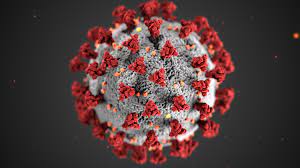
June 10, 2025 — A newly identified Covid-19 variant, NB.1.8.1, is spreading rapidly across India, Asia, and the United States, prompting global health experts to issue updated guidance while urging the public not to panic.
Variant NB.1.8.1: What We Know
First detected in January 2025, NB.1.8.1 is a sub-lineage of the Omicron family and has now been found in 22 countries. According to the Global Virus Network (GVN), the variant accounted for 10.7% of global Covid-19 virus samples submitted to GISAID by mid-May—a significant jump from 2.5% just four weeks earlier.
India has seen a steady rise in active cases, reaching 6,491 as of June 9, with over 500 new infections reported in the last 24 hours. States such as Delhi, Kerala, Gujarat, Uttar Pradesh, and West Bengal are experiencing consistent increases. Taiwan has also reported a 78% surge in hospital visits due to Covid-19 symptoms within a single week, while the United States has detected cases through airport screenings and in several states, including Ohio, Rhode Island, and Hawaii.
Severity and Vaccine Protection
Despite the uptick in cases, the GVN and World Health Organization (WHO) stress that there is currently no evidence that NB.1.8.1 causes more severe illness than previous variants. The pattern of infection is consistent with seasonal surges, and vaccines remain highly effective in preventing severe disease and hospitalizations.
Early studies confirm that while NB.1.8.1 has mutations that allow it to spread efficiently, it does not significantly evade immunity from vaccines or past infection. Treatments such as Paxlovid and remdesivir also continue to be effective.
Updated Vaccine Recommendations
The GVN has released updated vaccination guidelines in response to the evolving virus:
-
Adults over 65 and those with underlying health conditions should receive an updated booster tailored to current variants.
-
Everyone aged 6 months and older is encouraged to stay current with vaccinations, especially ahead of the autumn and winter respiratory illness seasons.
-
Children and teenagers should get age-appropriate vaccine doses if not vaccinated in the past year, to prevent complications like MIS-C.
-
Pregnant individuals are strongly advised to get vaccinated, as it reduces hospitalization risk in infants and lowers the risk of preterm birth.
-
Co-administration of Covid-19 and flu vaccines is safe and recommended when needed.
No Cause for Alarm, But Vigilance Needed
Health authorities emphasize that the emergence of new variants like NB.1.8.1 is expected and does not signal a new emergency. “This is not a reason to panic, but a moment to prepare,” the GVN stated. Continued vigilance, accurate information, and international cooperation remain key.
Public Health Advice
Experts recommend the following steps for the public:
-
Stay up to date with Covid-19 vaccinations.
-
Wear a mask in crowded indoor spaces if local cases are rising.
-
Practice good hand hygiene.
-
Stay home and get tested if you feel unwell.
-
Consult your doctor about booster shots or antiviral treatments if you are at higher risk.
As the world moves toward long-term management of Covid-19, regular vaccine updates and clear communication will be vital in preventing misinformation and maintaining public health.
Disclaimer:
This article is based on information available as of June 10, 2025, and summarizes guidance from the Global Virus Network and other health authorities as reported by India Today. The situation with Covid-19 variants is evolving, and recommendations may change as new data emerges. For the most current advice, consult your local health authorities or healthcare provider.