 0
0
 0
0
A new study published in The Lancet Planetary Health reveals that health burdens from the global plastics system could more than double by 2040, rising from 2.1 million years of healthy life lost in 2016 to 4.5 million annually without intervention. Researchers from the University of Exeter and international collaborators analyzed emissions across the plastics lifecycle, highlighting greenhouse gases, air pollution, and toxic chemicals as primary drivers. This projection underscores an urgent need for policy action amid rising plastic production expected to continue beyond 2100.
Study Key Findings
The research quantifies health impacts using disability-adjusted life years (DALYs), estimating the plastics system could claim 83 million years of healthy life globally over the coming decades if trends persist. Greenhouse gas emissions from plastic production topped the list of harms, followed by air pollution and chemical toxins, with disproportionate effects on low-income communities near production sites. Plastic production, which surged from under 2 million tonnes in 1950 to 475 million tonnes in 2022, shows no signs of peaking soon, exacerbating pollution as only limited recycling occurs.
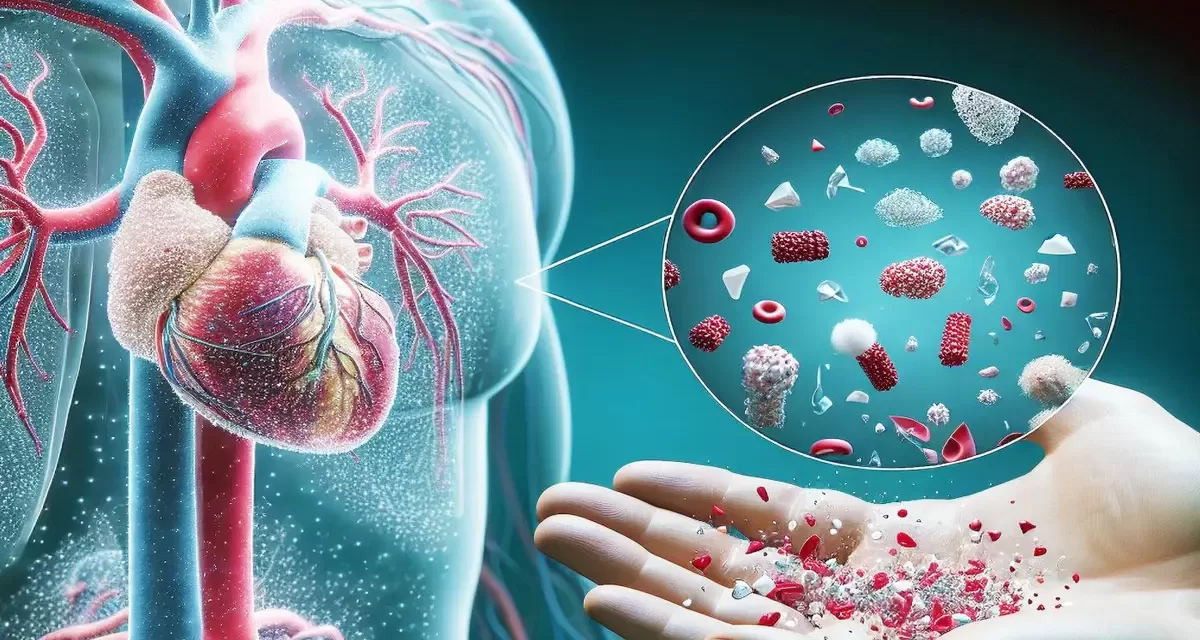
Microplastics and nanoplastics (MNPs), now ubiquitous in blood, breast milk, and organs, link to metabolic, respiratory, cardiovascular, and neuroendocrine diseases. The study builds on prior Lancet Countdown reports, tracking indicators like production emissions, human exposures, and direct health effects across the lifecycle—from fossil fuel extraction to waste mismanagement.
Background on Plastics and Health
Plastics revolutionized modern life in healthcare, packaging, and technology, but their dark side emerges through lifecycle emissions and additives like bisphenol A, phthalates, and PFAS—endocrine disruptors tied to obesity, infertility, and cancers. Production workers face elevated risks of leukemia, lymphoma, brain cancer, mesothelioma, and neurotoxic injury, while communities near plants report higher stillbirths, preterm births, asthma, and childhood leukemia.
Plastic waste, totaling 8 billion tonnes polluting the planet, persists indefinitely, with mismanaged end-of-life waste projected to double to 11 million tonnes on land and 18 million on water by 2040. Microplastics act as pathogen carriers, potentially spreading antibiotic-resistant bacteria and worsening inflammatory conditions like bowel disease. Annual economic costs already exceed $1.5 trillion from disease and premature death across all ages.
Expert Perspectives
Prof. Dr. Joacim Rocklöv, from Heidelberg University and co-director of the Lancet Countdown on Health and Plastics, stated: “We show how serious the health impacts of plastic pollution and contamination already are – and what consequences threaten if decisive action is not taken.” This echoes earlier warnings from the 2025 Lancet Countdown, led by Philip J. Landrigan, which called plastics a “significant, escalating threat” with hidden societal costs.
Dr. Anna Sánchez, an expert commenting on related research, noted: “The press release accurately reflects the study’s findings… there is already sufficient data to state that these harms are significant,” urging binding measures like the Global Plastics Treaty. Independent toxicologists emphasize that while causal links for some effects remain under study, occupational and epidemiological data demand precaution.
Public Health Implications
For everyday people, this means rethinking plastic exposure: swap single-use bottles for reusables to cut chemical leaching; choose fresh foods over heavily packaged ones to reduce additives; and support policies curbing production. Vulnerable groups—children, pregnant individuals, and low-income communities—bear the brunt, with plastics linked to developmental delays, reproductive issues, and chronic inflammation.
Globally, unchecked growth could amplify climate-related risks, as plastic production fuels warming and extreme weather. In India, where plastic waste management lags, rising imports and local manufacturing heighten local air and water pollution, potentially mirroring global DALY spikes. Practical steps include advocating for extended producer responsibility and investing in alternatives like biodegradable materials.
Limitations and Counterpoints
While robust, the study relies on modeled projections and lifecycle assessments, which carry uncertainties in exposure thresholds and long-term MNP effects—areas needing more epidemiological data. Critics note plastics’ benefits in medical devices and hygiene, arguing outright bans could harm public health in developing regions without viable substitutes. Some industry voices highlight recycling advances, though current rates remain under 10%, insufficient to offset production surges.
Researchers acknowledge evidence gaps, like real-world toxicology for nanoplastics crossing the placenta or blood-brain barrier, calling for multidisciplinary agendas. Balanced action requires weighing trade-offs, not demonizing plastics entirely.
Pathways Forward
The study advocates tracking via the Lancet Countdown’s indicators—production, exposures, health impacts, and interventions—to inform treaties like the UN Global Plastics Treaty. Decisive policies, innovation in non-toxic materials, and public engagement could halve impacts, per modeling scenarios. Governments must prioritize transparency on plastic chemicals, many lacking safety data.
Medical Disclaimer: This article is for informational purposes only and should not be considered medical advice. Always consult with qualified healthcare professionals before making any health-related decisions or changes to your treatment plan. The information presented here is based on current research and expert opinions, which may evolve as new evidence emerges.
References
-
Global health impacts of plastics systems could double by 2040. EurekAlert! (2026-01-26). https://www.eurekalert.org/news-releases/1113959[eurekalert]
-
Health impacts due to plastics worldwide may double by 2040: Lancet study. PTI News (date not specified). https://www.ptinews.com/story/national/health-impacts-due-to-plastics-worldwide-may-double-by-2040-lancet-study/3314767[ptinews]