 0
0
 0
0
December 4, 2025
GENEVA — The global burden of cancer is set to explode over the next three decades, with new annual cases projected to reach 35 million by 2050—a staggering 77% increase from 2022 levels. According to a comprehensive new analysis released by the International Agency for Research on Cancer (IARC), the cancer agency of the World Health Organization (WHO), this surge will not be felt equally. While wealthy nations will see the highest absolute numbers, low- and middle-income countries (LMICs) face a disproportionate and potentially catastrophic rise in mortality, threatening to overwhelm already fragile healthcare systems.
The study, which analyzes data from 185 countries and 36 cancer types, serves as a stark wake-up call to the global health community. It identifies population aging and growth as primary drivers, but also points to the widening prevalence of risk factors such as tobacco use, alcohol consumption, and obesity in developing nations.
The Scale of the Crisis
The new estimates paint a grim picture of the future if current trends continue. In 2022, there were an estimated 20 million new cancer cases and 9.7 million deaths worldwide. By 2050, those figures are expected to soar to over 35 million new cases and more than 18 million deaths annually.
While the sheer volume of cases is rising everywhere, the rate of increase reveals a deep global inequity. High-income countries are expected to see a 42% increase in new cases. In stark contrast, countries with a low Human Development Index (HDI)—a summary measure of average achievement in key dimensions of human development—are projected to witness a 142% surge in cancer cases and a near-doubling of cancer deaths.
“The impact of this increase will not be felt evenly across countries of different HDI levels,” explains Dr. Freddie Bray, Head of the Cancer Surveillance Branch at IARC. “Those who have the fewest resources to manage their cancer burdens will bear the brunt of the global cancer burden.”
A “Perfect Storm” in Developing Nations
For decades, cancer was often mischaracterized as a “disease of the wealthy,” associated primarily with longer lifespans and Western lifestyles. This narrative is rapidly changing. As infectious diseases recede in many parts of the developing world, populations are living longer, allowing cancer more time to develop. Simultaneously, these nations are undergoing a “risk transition,” adopting lifestyles that increase cancer susceptibility.
However, the deadliest factor for LMICs remains a lack of infrastructure. In high-income nations, advances in early detection and treatment have significantly improved survival rates. In poorer nations, patients are often diagnosed at late stages where curative treatment is no longer possible.
Dr. Lisa Force, a lead author of the associated study published in The Lancet, described the situation in low-income regions as “an impending disaster.” She notes that despite the clear need for action, cancer control policies remain under-prioritized in global health agendas, leaving millions without access to basic diagnostics or radiotherapy.
Leading Killers: Lung and Breast Cancer
The report highlights specific cancers that are driving these statistics:
-
Lung Cancer: Remains the most commonly diagnosed cancer and the leading cause of cancer death worldwide, with 2.5 million new cases in 2022. Its dominance is largely fueled by persistent tobacco use, particularly in Asia.
-
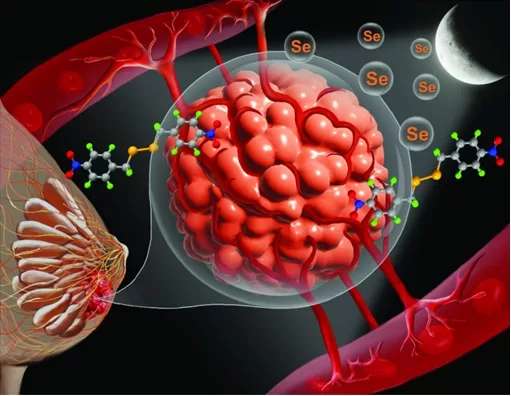
Breast Cancer: The second most common cancer globally but a primary concern for women in LMICs. Women in lower-income countries are 50% less likely to be diagnosed with breast cancer than those in wealthy nations, yet they are at a much higher risk of dying from it due to “late diagnosis and inadequate access to quality treatment,” according to Dr. Isabelle Soerjomataram, Deputy Head of the Cancer Surveillance Branch at IARC.
Prevention: The Most Powerful Tool
Experts emphasize that this future is not inevitable. A significant portion of the projected burden is preventable. The study estimates that eliminating tobacco use alone could prevent 1 in 4 cancer deaths annually.
“With more than half of cancer deaths worldwide being potentially preventable, prevention offers the most cost-effective and sustainable strategy for cancer control,” states Dr. Ahmedin Jemal, Senior Vice President of Surveillance & Health Equity Science at the American Cancer Society.
Addressing modifiable risk factors—such as tobacco, alcohol, obesity, and air pollution—is critical. However, for the millions who will inevitably develop cancer, the disparity in care must be addressed.
Implications for Public Health
The findings underscore an urgent need for a paradigm shift in how the world approaches cancer funding. Currently, global health spending in LMICs is heavily skewed towards infectious diseases. Strengthening health systems to manage chronic conditions is no longer optional; it is a necessity.
For the general public, this report reinforces the importance of personal health advocacy. While systemic changes are needed, individuals can reduce their risk by avoiding tobacco, maintaining a healthy weight, limiting alcohol, and participating in recommended screening programs where available.
“We cannot treat our way out of this cancer problem,” warns Dr. Elisabete Weiderpass, Director of IARC. “We need to invest in prevention and early detection to stop this tsunami of cases before it reaches our shores.”
Medical Disclaimer:
This article is for informational purposes only and should not be considered medical advice. Always consult with qualified healthcare professionals before making any health-related decisions or changes to your treatment plan. The information presented here is based on current research and expert opinions, which may evolve as new evidence emerges.
References
Studies & Reports:
-
Global Burden of Disease 2021 Cancer Collaborators. (2024). “Global burden of cancer in 2050.” The Lancet.