 0
0
 0
0
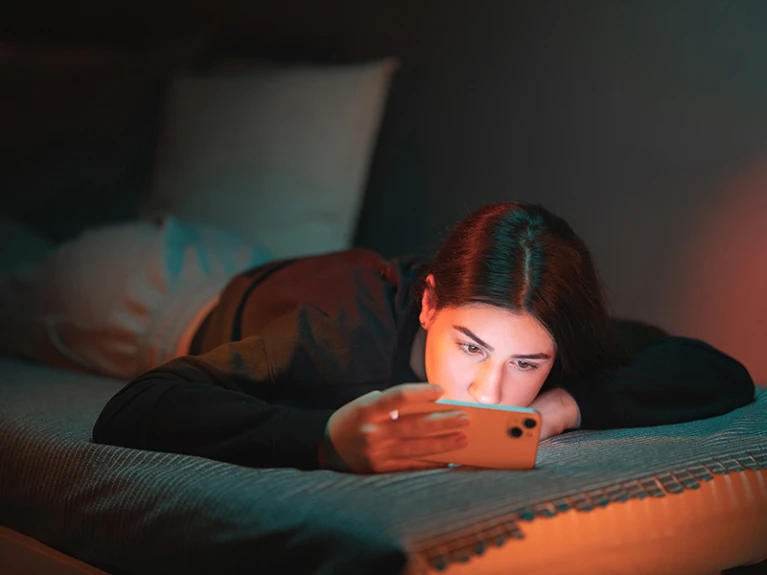
In recent years and increasingly in 2025, antidepressants, once strictly medical treatments for depression and anxiety, have gained popularity as a lifestyle accessory among young women, especially through social media platforms like TikTok. This emerging trend sees antidepressants being openly discussed and even glamorized by influencers, but experts warn of the complex implications behind this phenomenon. What started as a way to destigmatize mental health medication now raises concerns around misuse, side effects, and public health consequences nationwide.
Trend Overview and Key Developments
Antidepressants are seeing a surge in popularity beyond traditional medical use. Young women on TikTok and other social platforms share personal stories using hashtags such as #lexaprotok, praising what they describe as mood-lifting and confidence-boosting effects. Some users promote antidepressants as a “crazy pills” way to manage everyday stress, loneliness, and insecurity, sometimes without formal medical guidance or therapy access.
Recent data from the National Health Interview Survey (NHIS) indicates that in the United States, 11.4% of adults 18 and older took prescription medication for depression in 2023. Women (15.3%) were more than twice as likely as men (7.4%) to be prescribed antidepressants. Usage was higher among White non-Hispanic adults and those with disabilities. According to an international study analyzing antidepressant consumption from 2010 to 2020 across 30 OECD countries, antidepressant use has significantly increased, reflecting global trends toward broader acceptance but also raising questions about overuse and proper management.
Expert Perspectives
Dr. Meera Chandrasekhar, a psychiatrist unaffiliated with the social media trend, explains, “While antidepressants are effective for clinically diagnosed depression and anxiety, they are not recreational drugs. Misusing or using them without medical supervision can lead to side effects, withdrawal challenges, and inadequate treatment of underlying issues.” She emphasizes the importance of combining medication with therapy and monitoring.
Dr. Ajay Kapoor, a clinical pharmacologist, notes emerging research into novel antidepressants targeting glutamate and GABA neurotransmission, which may improve rapid symptom relief with potentially fewer side effects. However, these drugs remain tightly regulated and prescribed under medical supervision, unlike lifestyle trends promoting casual use.
Public Health Context and Implications
The glamorization of antidepressants as lifestyle accessories risks trivializing serious mental health conditions. Unsupervised use may result in dangerous side effects such as emotional blunting, increased suicidal thoughts in some cases, or withdrawal syndromes on stopping medication. The Wall Street Journal highlighted cases where users attracted to influencer endorsements later found the side effects to “take the fun out of life”.
Moreover, misuse complicates public health monitoring. Misuse includes unauthorized dose escalation for anxiety relief or fatigue combat, which can mimic abuse patterns. Rather than withholding medication, experts urge education, symptom control, and psychotherapy to address underlying issues.
Limitations and Counterarguments
Some advocates argue that increased transparency about antidepressants reduces stigma and encourages people to seek help. The integration of antidepressants into lifestyle conversations can foster openness and diminish shame around mental health treatment. Nonetheless, experts caution against minimizing the need for professional diagnosis, prescription, and follow-up care.
Practical Takeaways for Readers
-
Antidepressants can be life-changing for those with clinical depression or anxiety, but should only be used under medical supervision.
-
Side effects and withdrawal symptoms are real and can affect daily functioning.
-
Medication is most effective when combined with psychotherapy or counseling.
-
Social media endorsements do not replace evidence-based medical advice.
-
If feeling overwhelmed or isolated, consulting a healthcare provider is a crucial first step over self-medicating.
Medical Disclaimer
Medical Disclaimer: This article is for informational purposes only and should not be considered medical advice. Always consult with qualified healthcare professionals before making any health-related decisions or changes to your treatment plan. The information presented here is based on current research and expert opinions, which may evolve as new evidence emerges.
References