 0
0
 0
0
May 18, 2025
A longstanding debate in Indian kitchens has taken a new turn as leading hepatologists warn against the regular use of traditional fats like ghee, coconut oil, and butter-especially for those concerned about liver health.
The Expert Opinion
Dr. Cyriac Abby Philips, widely known as TheLiverDoc on social media, has sparked discussion by recommending a shift away from saturated fats such as ghee, coconut oil, lard, and butter. In a recent post, Dr. Philips advised:
“Switch from saturated fats like coconut oil, clarified butter (ghee), lard and butter to refined (for cooking), unrefined and cold-pressed (for direct use) seed oils rich in monounsaturated and polyunsaturated to experience improved liver tests and reduce liver fat.”
His guidance challenges the popular belief that traditional equals healthier, especially when it comes to liver health.
What Does the Science Say?
Supporting Dr. Philips’ stance, Dr. Manoj Gupta, Head of Liver Transplant and Surgical Gastroenterology at PSRI Hospital, points to growing clinical evidence that saturated fats can contribute to liver fat buildup-particularly in individuals at risk for or already diagnosed with non-alcoholic fatty liver disease (NAFLD).
“High intake of saturated fats can increase hepatic triglyceride levels, worsen insulin resistance, and trigger inflammatory pathways in the liver,” Dr. Gupta explained, referencing studies from journals like Hepatology and The Journal of Clinical Endocrinology & Metabolism.
Dr. Jagadish Hiremath, a public health expert, adds that while traditional fats are culturally significant and safe in moderation, excessive consumption-especially in sedentary lifestyles-can worsen metabolic and liver health. He emphasizes that overall dietary patterns, lifestyle, and existing risk factors matter more than any single food item.
The Role of Oil Processing
The way oils are processed also impacts their healthfulness.
-
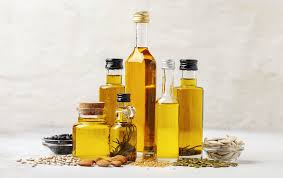
Refined seed oils (such as sunflower, rice bran, or canola) are treated to withstand high cooking temperatures, making them safer for frying and sautéing.
-
Cold-pressed or unrefined oils retain beneficial antioxidants and vitamins but are best consumed raw, as they are sensitive to heat.
Dr. Gupta notes that Dr. Philips’ recommendation-to use refined oils for cooking and cold-pressed oils for raw consumption-aligns with global dietary guidelines.
Can Switching Oils Improve Liver Health?
Experts agree that replacing saturated fats with seed oils rich in monounsaturated and polyunsaturated fats (like sunflower, safflower, canola, or flaxseed oil) can lead to measurable improvements in liver enzyme levels, reduced liver fat, and better insulin sensitivity-especially when combined with regular exercise and reduced sugar intake.
The Bottom Line
While traditional fats like ghee and coconut oil remain staples in many Indian households, experts urge moderation and suggest considering healthier alternatives, particularly for those at risk of liver disease or metabolic issues. The choice of cooking oil, along with overall diet and lifestyle, plays a crucial role in maintaining liver health.
Disclaimer:
This article is based on information from public domain sources and expert opinions. It is not a substitute for professional medical advice. Always consult your healthcare provider before making significant changes to your diet or lifestyle.
Citations: