 0
0
 0
0
Gastroesophageal reflux disease (GERD) significantly increases the risk of multiple pulmonary diseases, including asthma, pneumonia, and chronic obstructive pulmonary disease (COPD), according to a large 2025 meta-analysis. The study also highlights that adequate treatment of GERD may mitigate several of these respiratory risks, underscoring the importance of early diagnosis and management.
Understanding GERD and Pulmonary Risks
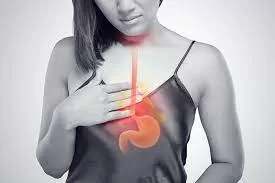
GERD is a chronic condition characterized by stomach acid refluxing back into the esophagus, causing symptoms like heartburn and regurgitation. Researchers from Sichuan University in China conducted a comprehensive meta-analysis of 45 cohort studies to investigate the potential association between GERD and a wide range of pulmonary diseases. The study, published in Frontiers in Cell and Developmental Biology in July 2025, revealed that individuals with GERD have a significantly elevated risk of developing respiratory conditions such as asthma, pneumonia, pulmonary fibrosis, COPD, lung cancer, interstitial lung disease, bronchiectasis, bronchitis, acute lung injury, pulmonary embolism, tuberculosis, and nontuberculous mycobacterial pulmonary disease (NTMPD).
The odds ratios—a measure of association strength—indicated a 50% increased risk for asthma (OR 1.50) and 53% increased risk for pneumonia (OR 1.53) among GERD patients. Particularly striking was the association with NTMPD, which saw an over threefold increased risk (OR 3.36). Other conditions, including lung cancer and COPD, also showed moderately elevated risks.
Treatment Reduces Risks for Asthma and Lung Cancer
Crucially, the meta-analysis found that treatment for GERD, including pharmacological management, could attenuate some of these risks. No significant association was found between treated GERD and the incidence of asthma or lung cancer, suggesting therapeutic benefit in controlling reflux to protect respiratory health.
Expert Commentary on Mechanisms
Dr. Anjali Desai, pulmonologist not involved in the study, explains the possible biological mechanisms: “GERD can lead to microaspiration of stomach contents into the lungs, causing airway inflammation and injury. This irritation can provoke asthma exacerbations, chronic bronchitis, or infections like pneumonia. Moreover, acid reflux may trigger nerve reflexes causing bronchoconstriction.” She adds that “chronic inflammation from GERD might also contribute to lung tissue remodeling and susceptibility to chronic lung conditions such as COPD” .
Implications for Public Health and Clinical Practice
These findings emphasize the importance of early identification and management of GERD to potentially reduce respiratory complications. Patients with chronic reflux symptoms should seek evaluation and appropriate treatment to mitigate risks, particularly if they have existing pulmonary conditions or risk factors such as smoking or occupational exposures.
Pulmonologists and gastroenterologists may consider routine screening for pulmonary symptoms in patients with GERD, and vice versa, to improve comprehensive care. Appropriate use of proton pump inhibitors (PPIs), lifestyle adjustments, and in some cases anti-reflux surgery can form part of integrated management strategies.
Context and Limitations
While this robust meta-analysis strengthens the evidence linking GERD to pulmonary disease risk, it is important to note limitations. The observational nature of the included cohort studies means causality cannot be definitively established. Confounding factors such as smoking, obesity, and environmental exposures may also partly influence associations. The exact impact of different GERD treatments remains to be clarified through future randomized controlled trials.
In addition, the heightened risk for lung cancer appears influenced by smoking status; some data suggest that GERD increases lung cancer risk predominantly among smokers. Thus, smoking cessation remains a critical component of lung health.
Practical Takeaways for Readers
For the general public, persistent reflux symptoms should not be ignored, as untreated GERD may pose risks beyond digestive discomfort. Discussing symptoms with healthcare providers can help initiate effective treatment and potentially lower risks of related lung diseases. Lifestyle measures such as weight management, dietary modifications, avoiding late meals, and elevating the head during sleep also aid management.
Medical Disclaimer
This article is for informational purposes only and should not be considered medical advice. Always consult with qualified healthcare professionals before making any health-related decisions or changes to your treatment plan. The information presented here is based on current research and expert opinions, which may evolve as new evidence emerges.
References
-
MedicalXpress. Gastroesophageal reflux disease linked to increased incidence of pulmonary disease. 2025 Aug. https://medicalxpress.com/news/2025-08-gastroesophageal-reflux-disease-linked-incidence.htmluspharmacist