 0
0
 0
0
New research reveals indoor tanning causes widespread DNA damage far beyond the reach of ordinary sunlight, tripling melanoma risk and accelerating genetic aging.
December 15, 2025
In a landmark study that challenges long-held industry claims about the safety of indoor tanning, researchers have discovered that tanning beds do not merely darken the skin—they create a “field of injury” across nearly the entire body, mutating DNA in ways that sunlight rarely does.
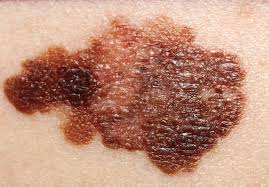
The study, published December 12 in the journal Science Advances, provides the first molecular proof that tanning beds cause widespread, cancer-linked genetic mutations even in areas of the skin never exposed to the sun. The findings offer a biological explanation for why indoor tanning is linked to a nearly three-fold increase in the risk of melanoma, the deadliest form of skin cancer.
Uncovering the “Hidden” Damage
Led by researchers at Northwestern University Feinberg School of Medicine and the University of California, San Francisco (UCSF), the study utilized advanced genomic sequencing to analyze skin cells from tanning bed users and compare them with those of non-users.
The results were stark. Skin cells from frequent tanning bed users harbored nearly twice as many mutations as those from age-matched individuals who had never used tanning beds. Even more alarming, these mutations were found in “sun-shielded” areas, such as the lower back and buttocks—regions that typically escape the brunt of solar UV radiation in daily life.
“In outdoor sun exposure, maybe 20 percent of your skin gets the most damage,” explained Dr. Pedram Gerami, the study’s lead author and a professor of skin cancer research at Northwestern. “In tanning bed users, we saw those same dangerous mutations across almost the entire skin surface.”
The research team found that even normal-looking skin, free of moles or visible lesions, contained “precursor mutations”—genetic changes that prime cells to become cancerous. This suggests that the damage inflicted by tanning beds is not just localized to visible burns or tans but is systemic across the skin organ.
Accelerated Genetic Aging
Beyond the immediate cancer risk, the study highlighted a disturbing trend in “genetic aging.” The skin cells of young tanning bed users—those in their 30s and 40s—showed a level of mutation burden typically seen in non-users in their 70s or 80s.
“The skin of tanning bed users appeared decades older at the genetic level,” noted Bishal Tandukar, a postdoctoral scholar at UCSF and co-first author of the study.
This accelerated aging effect underscores the potency of the ultraviolet (UV) radiation emitted by tanning beds, which can be up to 10 to 15 times stronger than the midday sun. Unlike natural sunlight, which varies in intensity and angle, tanning beds bathe the body in high-intensity UV rays from all directions, leaving no patch of skin spared.
The Melanoma Connection
Melanoma accounts for only about 1% of skin cancers but causes the vast majority of skin cancer deaths. The study’s epidemiological analysis, which reviewed the medical records of nearly 6,000 patients, reinforced the severe risks:
-
Triple the Risk: Tanning bed use was associated with a 2.85-fold increase in melanoma risk.
-
Younger Patients: The researchers noted an “unusually high number” of women under 50 with multiple melanomas, a demographic disproportionately targeted by the tanning industry.
-
Specific Mutations: The DNA damage observed included specific mutations in the BRAF gene, a known driver of melanoma growth.
“The skin of tanning bed users was riddled with the seeds of cancer—cells with mutations known to lead to melanoma,” said senior author Dr. A. Hunter Shain of UCSF. “We cannot reverse a mutation once it occurs, so it is essential to limit how many mutations accumulate in the first place.”
Implications for Public Health
These findings arrive as health authorities continue to battle the misconception that indoor tanning is a “safe” alternative to sunbathing or a healthy way to build a “base tan.” The World Health Organization (WHO) already classifies UV-emitting tanning devices as Group 1 carcinogens—the same category as tobacco and asbestos.
Dr. Gerami hopes this new evidence will serve as a wake-up call similar to anti-smoking campaigns. “When you buy a pack of cigarettes, it says this may result in lung cancer,” he stated. “We should have a similar campaign with tanning bed usage.”
For the millions of adults who used tanning beds in their youth, the study offers a sobering reality but also a clear course of action. Dermatologists urge former tanners to undergo rigorous, total-body skin examinations to catch potential malignancies early.
Looking Ahead
While the study is retrospective and relies on patient recall for tanning history, the molecular evidence provides a “smoking gun” that links artificial UV exposure directly to cellular mutations.
The message from the medical community is clear: There is no such thing as a safe tan from a UV device. “They feel wronged by the industry and regret the mistakes of their youth,” Dr. Gerami said of his patients. “One of the simplest ways to [prevent cancer] is to avoid exposure to artificial UV radiation.”
Medical Disclaimer: This article is for informational purposes only and should not be considered medical advice. Always consult with qualified healthcare professionals before making any health-related decisions or changes to your treatment plan. The information presented here is based on current research and expert opinions, which may evolve as new evidence emerges.
References
-
Gerami, P., Tandukar, B., Shain, A. H., et al. (2025). “Genomic evidence of widespread DNA damage and melanoma precursors in tanning bed users.” Science Advances. DOI: [10.1126/sciadv.2025.12.12]