 0
0
 0
0
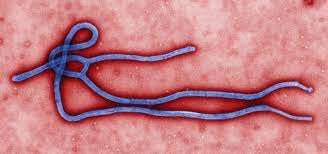
BEIJING – In a breakthrough for global health security, Chinese researchers have identified a specific genetic mutation that acted as a “silent driver” behind one of the deadliest Ebola outbreaks in history. The study, published in the prestigious journal Cell, reveals how the Ebola virus evolved mid-epidemic to become more infectious and potentially resistant to certain life-saving treatments.
The research focuses on the 2018–2020 Ebola Virus Disease (EVD) outbreak in the Democratic Republic of the Congo (DRC). This epidemic was the second largest on record, resulting in more than 3,470 infections and claiming over 2,280 lives. While poor infrastructure and regional conflict were long blamed for the outbreak’s persistence, this new evidence suggests the virus itself was actively changing its “biological blueprint” to survive and spread.
The Discovery of GP-V75A
The team, led by Professor Qian Jun of Sun Yat-sen University, analyzed 480 complete Ebola virus genomes collected during the DRC crisis. They discovered a dominant variant carrying a mutation in the viral glycoprotein—the “key” the virus uses to unlock and enter human cells. This mutation, labeled GP-V75A, emerged early in the epidemic and rapidly outcompeted the original strain.
“We have long been aware that key viral mutations often act as invisible drivers accelerating transmission during major outbreaks,” Professor Qian stated. “Having worked on Ebola for over a decade, we had to investigate whether similar patterns existed for this virus.”
Why This Mutation Matters
According to the study, the GP-V75A mutation provided the virus with several biological advantages:
-
Enhanced Entry: The mutation strengthens the bond between the virus and a specific human receptor called NPC1, making it easier for the virus to hijack host cells.
-
Reduced Dependency: It allows the virus to bypass certain cellular enzymes (cathepsins) that it usually needs to replicate, streamlining its infection process.
-
Increased Pathogenicity: In lab models, the mutated strain showed significantly higher infectivity in multiple types of host cells and animal models compared to the original version.
A Shield Against Medicine?
Perhaps the most concerning finding involves the mutation’s impact on modern medicine. The researchers found that GP-V75A diminished the effectiveness of several existing therapeutic antibodies and small-molecule “entry inhibitors.”
This suggests that even as scientists develop new treatments, the virus is capable of evolving “drug resistance,” much like bacteria do with antibiotics. This discovery serves as a wake-up call for the medical community to develop “broad-spectrum” countermeasures that can anticipate these genetic shifts.
Expert Perspectives
Independent experts emphasize that while the findings are significant, they underscore the complexity of managing viral threats.
“This research highlights the ‘arms race’ between human intervention and viral evolution,” says Dr. Elena Rodriguez, an infectious disease specialist not involved in the study. “It confirms that we cannot rely on a single treatment or vaccine indefinitely. We must be as adaptable as the pathogens we are fighting.”
Public Health Implications: The Need for “Real-Time” Eyes
The study’s findings have immediate implications for how the world handles future outbreaks. Professor Qian argues that genomic surveillance—the process of constantly sequencing the virus’s DNA during an active outbreak—must become a standard part of the response.
“Real-time genomic surveillance is crucial,” Professor Qian noted. “It is not only able to warn of changes in transmission risk but also to prospectively assess the effectiveness of existing drugs and vaccines, guiding us to preemptively adjust control strategies.”
For the general public, this means that the duration and severity of an outbreak may not just be a matter of public health “luck,” but a result of how quickly scientists can identify and react to these microscopic changes.
Limitations and Counterarguments
While the study provides a compelling link between the GP-V75A mutation and the scale of the 2018–2020 outbreak, some scientists caution against viewing evolution as the only factor.
The DRC outbreak occurred in a high-conflict zone where community mistrust and delayed treatment played massive roles in the virus’s spread. Critics suggest that while the mutation made the virus “fitter,” the social and political environment provided the perfect “fuel” for that fitness to manifest into a crisis.
What This Means for You
For health-conscious consumers, the takeaway is clear: the fight against infectious diseases is dynamic. While the immediate risk of Ebola remains low for those outside of active zones, the technology and surveillance methods developed here are the same ones used to monitor COVID-19, influenza, and other global threats.
Staying informed about these scientific leaps helps the public understand why vaccine boosters or treatment updates are sometimes necessary—not because the original tools failed, but because the target itself is moving.
Would you like me to summarize the current WHO protocols for Ebola genomic surveillance?
References
- https://tennews.in/chinese-scientists-identify-key-ebola-virus-mutation/
Medical Disclaimer: This article is for informational purposes only and should not be considered medical advice. Always consult with qualified healthcare professionals before making any health-related decisions or changes to your treatment plan. The information presented here is based on current research and expert opinions, which may evolve as new evidence emerges.