 0
0
 0
0
New Delhi — As India grapples with a burgeoning crisis of non-communicable diseases (NCDs), leading health experts are calling for a paradigm shift in how the nation approaches chronic conditions like diabetes and hypertension. At the annual “Evidence2Policy” dialogue held in the capital on Friday, public health authorities emphasized that clinical solutions alone are insufficient. Instead, they argued, the path to a healthier India lies in robust community participation and a renewed focus on gender equity.
The event, organized by The George Institute for Global Health, India, served as a crucial platform for bridging the “know-do gap”—the divide between scientific evidence and on-the-ground policy implementation. With NCDs now responsible for an estimated 65% of all deaths in the country, the consensus among experts was clear: empowering local communities and addressing gender disparities are not just social goals, but medical imperatives.
The Silent Epidemic: By the Numbers
The urgency of the situation is underscored by staggering statistics. Chronic conditions such as cardiovascular diseases, diabetes, chronic respiratory diseases, and cancer are claiming lives at an unprecedented rate. According to data shared during the parliamentary session concurrent with the event, the scale of the government’s response highlights the magnitude of the problem.
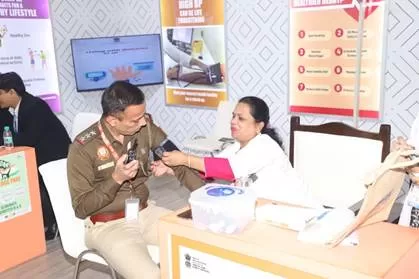
Union Minister of State for Health and Family Welfare, Prataprao Jadhav, revealed that under the National Programme for Prevention and Control of Non-Communicable Diseases (NP-NCD), the government has conducted approximately 39.79 crore screenings for hypertension and 39.60 crore for diabetes as of late November 2025. While these numbers represent a massive logistical achievement, experts at the dialogue cautioned that screening is only the first step. The real challenge lies in long-term management and adherence to treatment, areas where community support systems prove vital.
Community as the First Line of Defense
Dr. Thomas Keppen, Deputy Director of the Department of Health and Family Welfare in Nagaland, highlighted the transformative power of community ownership. Speaking on the unique challenges faced in remote regions, Dr. Keppen noted that top-down medical interventions often fail without local buy-in.
“Community participation has helped improve infrastructure, service delivery, and health awareness, even in remote regions where challenges are many,” Dr. Keppen stated. He emphasized that the solution lies in decentralization: “We have seen that empowering local leaders and women to take part in planning and monitoring creates ownership and lasting change.”
Dr. Keppen advocated for formalizing these community-based approaches and documenting their progress to build transparent, sustainable health systems that survive beyond specific funding cycles.
Redefining Gender Equity in Health
A significant portion of the dialogue focused on the nuanced role of gender in health outcomes. Historically, gender equity in health has often focused on maternal and child health or ensuring women have access to care. However, Dr. Sumit Malhotra, Professor at the Centre for Community Medicine at the All India Institute of Medical Sciences (AIIMS), New Delhi, offered a broader perspective that challenges traditional narratives.
“Equity in NCD care is not only about women, but it is also about reaching men and every section of the community,” Dr. Malhotra explained. He pointed out a specific behavioral disparity observed in field settings: “When healthcare is taken closer to people, women come forward to seek care, but we must also find ways to engage men.”
This observation aligns with global research suggesting that men often delay health-seeking behavior until conditions become severe. Dr. Malhotra stressed that a truly equitable system must be responsive to these gender-specific barriers. He called for strengthening the workforce of community health workers—who are predominantly women—by ensuring they have regular supplies of medicines and better linkages to higher levels of care.
Bridging the ‘Know-Do’ Gap
The central theme of the event, the “know-do gap,” addresses a persistent frustration in public health: why proven interventions fail to reach the populations that need them most. The experts argued that the missing link is often the failure to translate clinical “knowledge” into practical “doing” at the village and district levels.
Research supports the efficacy of the community models advocated at the event. For instance, studies on mHealth (mobile health) interventions in rural India have shown that community-led education and technology can significantly improve diabetes awareness and lifestyle management. When non-physician personnel are trained to lead prevention programs, adherence rates improve, and the burden on specialized hospitals decreases.
Implications for Public Health
For the average Indian citizen, the shift towards community-driven health has practical implications. It suggests a future where health management moves out of distant hospitals and into local wellness centers and neighborhood groups.
-
Accessibility: Decentralized care means routine checks for blood pressure and sugar levels could become as common as visiting a local market.
-
Prevention over Cure: With community leaders involved, the focus shifts from treating sickness to maintaining wellness through diet, exercise, and early detection.
-
Holistic Support: Addressing gender barriers ensures that both men and women receive the specific encouragement they need to manage chronic conditions effectively.
Challenges Ahead
Despite the optimism, experts acknowledged significant hurdles. Ensuring a consistent supply chain for medications in rural areas remains a logistical nightmare. Furthermore, changing deep-seated cultural behaviors—such as dietary habits and sedentary lifestyles—requires sustained effort that goes beyond medical advice. There is also the challenge of funding; community programs require continuous investment in training and resources to remain effective.
Conclusion
The message from the Evidence2Policy dialogue is a clarion call for an integrated approach. Fighting the rising tide of diabetes and high blood pressure in India requires more than just doctors and drugs; it demands the active participation of the people themselves. As India moves forward, the health of the nation may well depend on how effectively it can empower its women, engage its men, and mobilize its communities.
Medical Disclaimer:
This article is for informational purposes only and should not be considered medical advice. Always consult with qualified healthcare professionals before making any health-related decisions or changes to your treatment plan. The information presented here is based on current research and expert opinions, which may evolve as new evidence emerges.
References:
-
Event Source: Annual Evidence2Policy Dialogue, organized by The George Institute for Global Health, India, New Delhi, December 12, 2025.