 0
0
 0
0
In Manasa town, Neemuch district of Madhya Pradesh, an outbreak of Guillain-Barré Syndrome (GBS) has resulted in two fatalities, including children aged 7 and 15, with at least 14 confirmed cases reported since January 12, 2026. Madhya Pradesh Deputy Chief Minister Rajendra Shukla visited the area on January 18 to oversee emergency measures, including a dedicated control room and special hospital ward. As health teams conduct door-to-door surveys amid ongoing investigations into the cause, this cluster raises alarms about potential triggers in a town of roughly 35,000 residents.
Understanding Guillain-Barré Syndrome
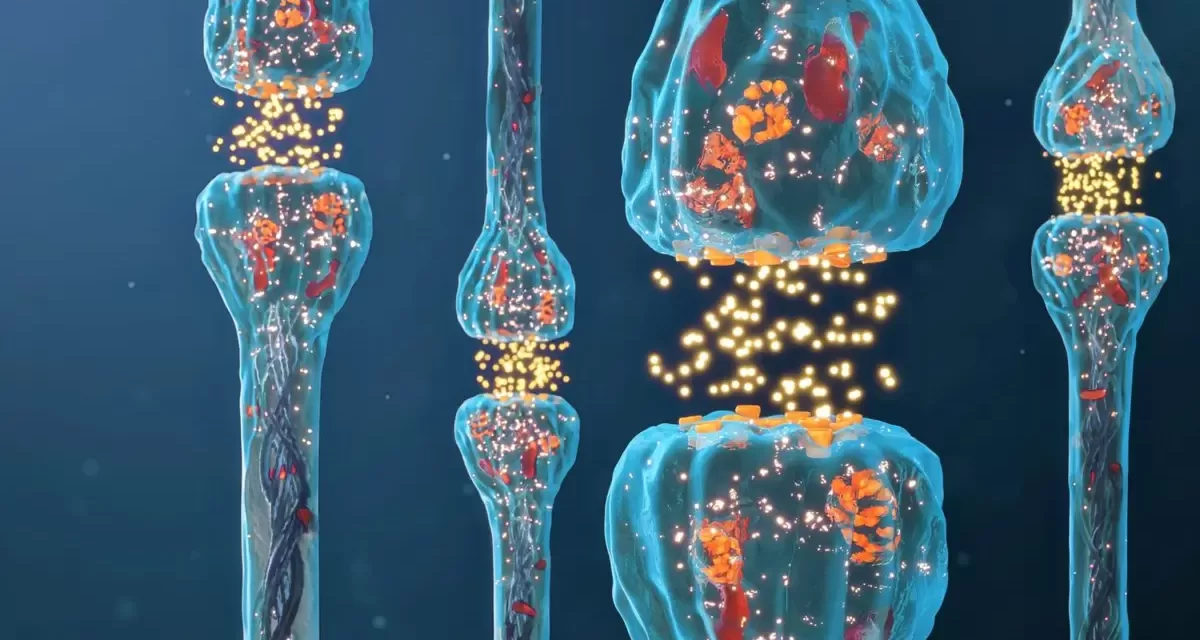
Guillain-Barré Syndrome is a rare autoimmune disorder where the immune system erroneously attacks the peripheral nerves, leading to rapid-onset muscle weakness, numbness, and potential paralysis. Symptoms often start with tingling in the feet and legs, progressing upward to arms and face, with severe cases causing breathing difficulties or swallowing problems that require mechanical ventilation. While most patients recover with treatment—about 80% fully within months—the condition peaks within two weeks and can involve intense pain, autonomic dysfunction like irregular heart rate, or bladder issues.
GBS typically follows an infection, such as gastrointestinal issues from Campylobacter jejuni bacteria in undercooked poultry or contaminated water, respiratory viruses, or even Zika. In India, incidence stands at 1-2 cases per 100,000 annually, but clusters signal possible environmental factors like poor sanitation. Diagnosis relies on clinical exams, nerve conduction studies, and lumbar punctures showing elevated cerebrospinal fluid protein.
Timeline of the Manasa Outbreak
The first cases surfaced on January 12, 2026, with patients rushed to hospitals in Jaipur, Ahmedabad, Udaipur, and Indore. By January 18, 14 cases were confirmed, including two deaths; two others stabilized after ventilator support, and most show improvement. Recent updates note 13 additional cases, pushing totals higher, with five treated in Indore.
Authorities sampled water from purification plants—initially clear—and sent blood serum, food, and materials to labs in Hyderabad, Kolkata, and Pune for analysis. No contamination source is confirmed yet, echoing past Indian outbreaks like Pune’s 2025 surge of 230 cases and 12 deaths linked to contaminated water.
Government Response and Interventions
Deputy CM Shukla directed a control room, special GBS ward at Manasa’s government hospital, advanced ambulances, medicine stockpiles, and awareness drives. The state covers all treatment costs, with door-to-door screenings targeting weakness, tingling, or pain. This mirrors responses to prior clusters, emphasizing rapid isolation and support.
Standard GBS care includes intravenous immunoglobulin (IVIg) or plasma exchange within two weeks of onset to halt immune attack, plus physiotherapy for recovery. In India, early intervention improves outcomes, though access varies in rural areas like Manasa.
Expert Insights on GBS Management
“GBS demands swift diagnosis and immunomodulation; delays raise ventilation risks,” notes guidance from neurologists, stressing IVIg or plasma exchange for walk-unaided patients progressing rapidly. Dr. Madhuparna Paul, Senior Consultant Neurologist at Manipal Hospital, highlights early symptoms like limb tingling for intervention, noting most recover but need monitoring for relapses.
In context of Indian outbreaks, experts link surges to infections in hygiene-challenged areas, urging surveillance. “Clusters like Pune’s underscore water quality’s role,” per health officials, advocating mapping cases to sources.
Public Health Implications
This Manasa cluster, post-Pune’s 2025 outbreak (141+ cases early year), signals need for vigilant monitoring in India, where GBS burdens under-resourced systems. Practical steps for residents: Cook poultry thoroughly, drink safe water, pasteurize dairy, seek care for post-infection weakness. Nationwide, ICMR-like guidelines promote early antibiotics for risks, though GBS lacks routine screening.
For healthcare pros, it stresses ICU readiness; for consumers, hygiene prevents triggers. Broader impacts include economic strain from treatment, rehab.
Challenges and Limitations
Cause unknown pending lab results limits prevention; GBS’s post-infectious nature complicates pinpointing. Studies note 5-10% relapse post-IVIg, protracted recovery in axonal damage. Rural diagnostics lag, per experts; Pune showed surveillance curbed spread via water fixes.
No vaccine exists; conflicting views question contagion vs. coincidence in clusters. Mortality remains low (3-5%) with care, but vigilance essential.
References
-
Economic Times Health. “GBS outbreak claims 2 lives in MP town; govt ramps up detection, treatment.” January 17, 2026. https://health.economictimes.indiatimes.com/news/industry/gbs-outbreak-claims-2-lives-in-mp-town-govt-ramps-up-detection-treatment/126637355
Medical Disclaimer: This article is for informational purposes only and should not be considered medical advice. Always consult with qualified healthcare professionals before making any health-related decisions or changes to your treatment plan. The information presented here is based on current research and expert opinions, which may evolve as new evidence emerges.