 0
0
 0
0
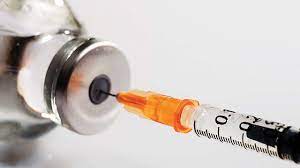
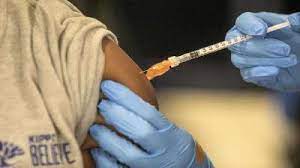
Gavi and UNICEF have announced a landmark agreement to procure the R21/Matrix-M malaria vaccine from the Serum Institute of India at a significantly discounted price of $2.99 per dose, down from about $4. This new pricing deal is expected to generate savings of up to $90 million over the next five years, enabling the purchase of more than 30 million additional doses and potentially protecting nearly 7 million more children from malaria by 2030, particularly in high-burden African countries.
Key Developments in Malaria Vaccine Access
The deal, financially backed by Gavi through the International Finance Facility for Immunisation (IFFIm), reflects a concerted effort to make the novel R21 vaccine more affordable and accessible as part of routine immunizations across malaria-endemic regions. UNICEF will execute bulk procurement leveraging this financing mechanism. The vaccine, co-developed by Oxford University and the Serum Institute of India using Novavax’s Matrix-M adjuvant technology, has shown promising efficacy in clinical studies. These studies demonstrated a more than 50% reduction in malaria cases during the first year following vaccination and up to 75% reduction when administered seasonally in areas with highly seasonal malaria transmission.
Expert Commentary and Context
Experts involved in malaria research highlighted this agreement’s importance in scaling up protection against one of the deadliest infectious diseases among children under five, especially in sub-Saharan Africa where malaria remains a leading cause of childhood mortality. Dr. Sam Wassmer from the London School of Hygiene & Tropical Medicine noted that the WHO recommendation of the R21 vaccine marks a historical milestone, and it complements existing vaccines such as RTS,S by expanding vaccine supply and diversity. The vaccine’s relatively lower production costs are expected to accelerate rollout efforts and improve coverage.
Implications for Public Health
This price reduction is anticipated to not only make malaria vaccination programs more sustainable for governments and aid organizations but also help meet Gavi’s ambitious target to fully vaccinate 50 million children against malaria globally by 2030. The increase in available doses and reduced costs can substantially enhance malaria control efforts, potentially lowering incidence and mortality rates in vulnerable populations. However, as with any new vaccine, ongoing surveillance for long-term safety and efficacy is critical. Additionally, research continues to develop vaccines offering broader and more durable protection, including against other malaria species like Plasmodium vivax.
Limitations and Balanced Perspective
While the R21 vaccine represents a significant advance, it is not a complete solution to malaria elimination. Challenges such as vaccine access inequities, health system capacities, and regional differences in malaria transmission remain. Moreover, the vaccine’s protection wanes over time, necessitating booster doses and integration with other malaria control strategies like insecticide-treated nets and antimalarial medications. Some expert panels have advised that countries with low malaria transmission rates, such as India, may not immediately adopt these vaccines, focusing instead on high-burden regions.
Medical Disclaimer: This article is for informational purposes only and should not be considered medical advice. Always consult with qualified healthcare professionals before making any health-related decisions or changes to your treatment plan. The information presented here is based on current research and expert opinions, which may evolve as new evidence emerges.
References:
- https://www.gavi.org/news/media-room/gavi-and-unicef-announce-equitable-pricing-deal-malaria-vaccine-protect-7-million
- https://health.economictimes.indiatimes.com/news/industry/gavi-unicef-teams-up-to-procure-serum-institutes-malaria-vaccine-at-discounted-prices/125536791