 0
0
 0
0
What Happened in Gandhinagar
Gujarat is responding to a surge of suspected typhoid cases in Gandhinagar that has been linked to leakage and contamination in municipal drinking water pipelines in several city sectors. Over 100 suspected cases have been reported over a few days, with most patients admitted to Gandhinagar Civil Hospital and urban health centres, prompting a high‑level review by Chief Minister Bhupendra Patel on January 6, 2026.
Health officials report that suspected cases have crossed 100–113, with around 80–100 people under treatment at any given time and a majority being children and teenagers from Sectors 24, 26, 28 and the Adivada/Adiwada area. Authorities have clarified that recent deaths in hospital were due to other causes and that there have been no confirmed typhoid‑related fatalities linked to the outbreak.
Government Response and Key Measures
In the high‑level meeting, the Chief Minister directed the Gandhinagar Municipal Corporation and the State Health Department to intensify treatment, surveillance and prevention efforts to curb further spread. Officials told the Chief Minister that, following rapid interventions, a gradual decline in new typhoid cases is now being observed in the affected areas.
Local authorities have deployed around 75–85 health and survey teams, which have visited more than 20,000 households and screened over 90,000 to 1.58 lakh residents in and around the affected sectors. These teams are conducting door‑to‑door surveillance, identifying people with fever or gastrointestinal symptoms, and ensuring timely referral and treatment.
Water Safety Actions Across Urban Areas
Investigations have linked the outbreak to contamination of piped drinking water, reportedly involving mixing of drainage water or leakage‑related ingress into the supply lines in specific sectors of Gandhinagar. In response, municipal engineers have begun urgent repair and replacement of leaking pipelines in the affected zones, with instructions for on‑site inspections to verify the quality of the work.
The civic body has carried out “super‑chlorination” of all major water sources in the affected areas and is distributing chlorine tablets and oral rehydration solution (ORS) packets to households. The Chief Minister has ordered that, going forward, daily samples of drinking water must be collected and tested for microbial quality and adequate chlorination, and that water should be supplied only after satisfactory reports not just in Gandhinagar but across all urban areas of Gujarat.
What Typhoid Is and How It Spreads
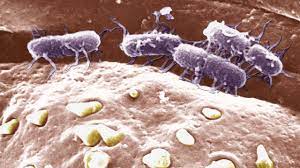
Typhoid fever is a systemic bacterial infection caused by Salmonella enterica serovar Typhi and is typically spread via the “faecal‑oral” route through contaminated food or water. It is more common in places where sanitation is poor, sewage systems are inadequate, and access to consistently safe drinking water is limited.
Common symptoms include sustained high fever, headache, abdominal pain, loss of appetite, and sometimes constipation or diarrhoea, and without appropriate antibiotic treatment, serious complications such as intestinal perforation can occur. Global estimates suggest that typhoid causes hundreds of thousands of deaths annually, with the highest burden in low‑ and middle‑income countries, underscoring the importance of prevention in rapidly urbanising settings like Gandhinagar.
Evidence‑Based Prevention: WASH and Vaccination
International health authorities emphasise that the most effective way to prevent typhoid is to ensure safe water, adequate sanitation, good hygiene (often grouped as WASH), and appropriate vaccination in at‑risk populations. The World Health Organization notes that access to safe water, proper sewage disposal, hand hygiene among food handlers, and use of typhoid conjugate vaccines can significantly reduce the incidence of typhoid fever.
A large study from an urban slum in Bangladesh found that achievable improvements in household WASH practices were associated with about 37% protection against typhoid, while a typhoid conjugate vaccine (Vi‑TT) provided around 55% protection; together these strategies substantially reduced disease risk. Experts in enteric infections highlight that such data support a combined approach: long‑term investment in water and sanitation infrastructure alongside targeted vaccination in high‑risk communities.
Implications for Residents and Urban Health Systems
For people living in Gandhinagar and other urban areas, this outbreak underlines how quickly a breakdown in basic water infrastructure can translate into a community‑level health crisis. Residents supplied by municipal pipelines remain dependent on robust monitoring, rapid leak repairs and transparent communication from local authorities during any suspected contamination event.
In practical terms, public health experts advise that, during and immediately after such outbreaks, households should consider boiling tap water for drinking and cooking, using chlorine tablets as instructed, and avoiding raw foods washed in potentially unsafe water, especially for children, older adults and people with weakened immunity. At the same time, they stress that systemic solutions—upgrading pipelines, preventing sewage ingress, and institutionalising daily water‑quality checks—are essential to prevent future incidents rather than relying solely on short‑term household measures.
Expert Perspectives and Systemic Lessons
In similar urban typhoid outbreaks, infectious disease specialists who were not involved in the Gandhinagar response have pointed to three recurring lessons: the need for rapid case detection, integrated WASH and vaccine strategies, and stronger risk communication to the public. They note that outbreaks linked to drinking water often reveal underlying vulnerabilities—aging infrastructure, informal settlements lacking safe connections, and gaps in routine chlorination or monitoring—that require sustained investment rather than one‑time fixes.
Global coalitions working on typhoid prevention argue that WASH improvements alone may take years to fully materialise in rapidly growing cities and that typhoid conjugate vaccines can provide an added layer of protection for children while infrastructure upgrades are underway. For policymakers, the Gandhinagar cluster offers an opportunity to review how water‑safety plans are implemented, how quickly laboratory testing can confirm contamination, and how efficiently data are shared between municipal engineers, health departments and hospital clinicians.
Limitations, Uncertainties and Data Gaps
Current reports describe “suspected” typhoid cases based on clinical features, Widal test results and preliminary investigations, and detailed laboratory confirmation data and final attack rates are yet to be fully reported. Early outbreak figures can change as case definitions are refined, duplicate reports are removed, and some suspected cases are ultimately attributed to other causes of fever or diarrhoeal illness.
Media and official updates also differ slightly in the exact counts (for example, 108 vs 113 suspected cases) and in how discharged and currently admitted patients are categorised, which is common in fast‑moving public health events. Experts caution that, while the absence of confirmed typhoid‑related deaths is reassuring, comprehensive epidemiological investigations, including water testing and microbial typing, are needed to fully understand the source and extent of contamination and to prevent recurrence.
What Readers Can Do
Until authorities declare the situation fully resolved, residents in Gandhinagar and other cities facing similar risks can take practical steps to reduce personal and household risk. These include using boiled or filtered water for drinking and brushing teeth, washing hands with soap and safe water before eating or preparing food, and seeking prompt medical care for any persistent fever, especially if accompanied by abdominal symptoms.
For families living in typhoid‑endemic regions, clinicians and public health agencies may recommend typhoid vaccination—particularly typhoid conjugate vaccines for children—as part of routine immunisation or catch‑up campaigns, in line with national guidelines. Individuals with chronic conditions or reduced immunity should discuss their personal risk, vaccination options and safe‑water strategies with their healthcare providers rather than relying solely on general advice.
Medical Disclaimer: This article is for informational purposes only and should not be considered medical advice. Always consult with qualified healthcare professionals before making any health-related decisions or changes to your treatment plan. The information presented here is based on current research and expert opinions, which may evolve as new evidence emerges.
References
-
Gujarat CM reviews situation due to typhoid surge in Gandhinagar, orders intensified measures. The Hans India. Published January 5, 2026.thehansindia