 0
0
 0
0
Chandigarh, India: A recent study by the Post-Graduate Institute of Medical Education & Research (PGIMER), Chandigarh, has revealed alarming findings about gallbladder cancer and its link to undetected gallstones in India. According to the research, nearly 80% of gallstones remain asymptomatic and are often discovered only when complications—such as gallbladder cancer—arise.
India: The Gallbladder Cancer Capital
The study highlights that northern India now records the highest incidence of gallbladder cancer globally. “Unfortunately, India is now considered the gallbladder cancer capital of the world. Most patients present themselves in an advanced stage of the disease, often beyond the point where curative surgery can be offered,” said Prof. Usha Dutta, Head of the Department of Gastroenterology at PGI and principal investigator of the study. The research, funded by the Indian Council of Medical Research (ICMR), aims to develop Indian guidelines for prevention and treatment.
Silent Gallstones: A Hidden Threat
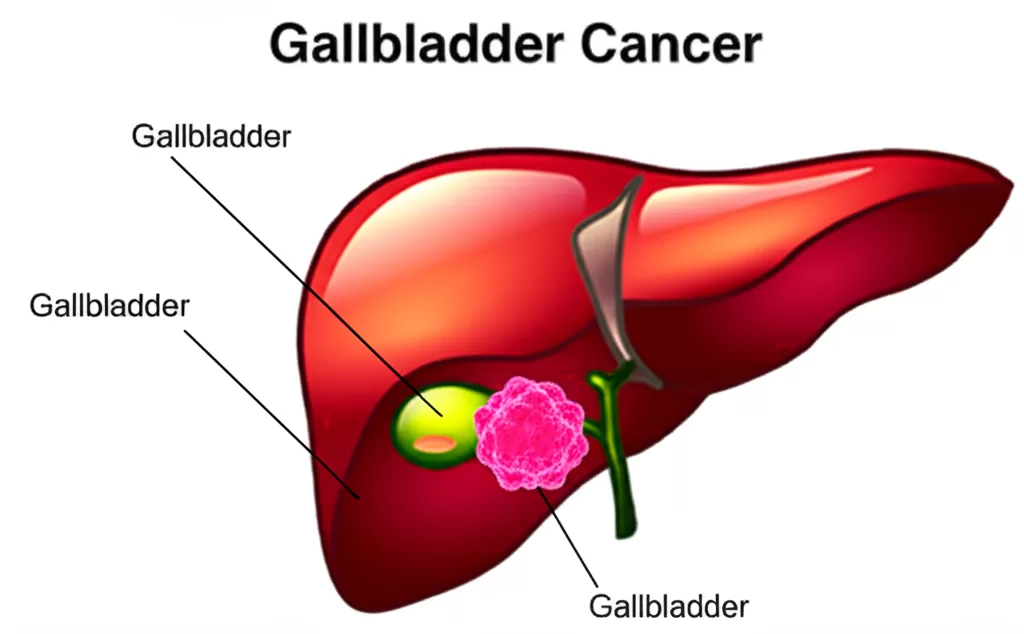
Gallstones are hardened deposits of bile that form in the gallbladder, a small organ under the liver responsible for storing bile. Most gallstones do not cause symptoms and are only detected during complications. When symptoms do appear, they may include pain in the upper abdomen—especially after meals—nausea, vomiting, and pain radiating to the back. However, these symptoms are often non-specific, making early detection difficult.
Once gallbladder cancer develops, it tends to spread rapidly, often invading nearby organs and making treatment more challenging. This underscores the need for early detection and preventive strategies.
Who Is at Risk?
The study identifies several risk factors for developing gallstones and gallbladder cancer:
-
Obesity
-
Diabetes
-
Physical inactivity
-
High blood cholesterol
-
Pregnancy
-
Chronic diarrhoea (leading to bile salt loss)
-
Age over 50
-
Family history of gallbladder cancer
-
Smoking
-
Porcelain gallbladder (calcified gallbladder walls)
-
Large or longstanding gallstones
-
Chronic infections (such as typhoid and ulcers)
Diagnosis and Treatment
Experts recommend that individuals with a history of gallstones, regardless of symptoms, should undergo regular medical evaluations and ultrasound examinations. This helps assess the nature of the stones and detect any thickening of the gallbladder wall, which could indicate cancer.
Treatment usually involves cholecystectomy (removal of the gallbladder), which should be performed by a trained surgeon. The removed gallbladder should be examined by a pathologist to check for early signs of cancer.
Prevention Tips
To reduce the risk of gallstones and gallbladder cancer, experts suggest:
-
Avoid prolonged fasting
-
Eat frequent, protein-rich meals
-
Reduce fat intake
-
Exercise regularly to prevent abdominal obesity
Conclusion
With gallbladder cancer rates rising in India, particularly in the north, awareness and preventive measures are crucial. Early detection through regular screening and lifestyle modifications can make a significant difference in outcomes.
Disclaimer:
This article is for informational purposes only and is based on a study reported by The Indian Express. It is not a substitute for professional medical advice, diagnosis, or treatment. Please consult a qualified healthcare provider for any health-related concerns or before making changes to your healthcare regimen.
Citations: