 0
0
 0
0
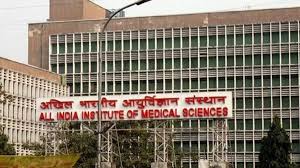
NEW DELHI – In a move signaling a strategic shift toward high-tech self-reliance in healthcare, the Union Budget 2026 has granted the All India Institute of Medical Sciences (AIIMS), New Delhi, a significant financial boost. With a total allocation of ₹5,500.92 crore—a 5.85% increase over the previous fiscal year—the government has earmarked specific funds to transform the premier institution into a global hub for translational research and advanced clinical innovation.
This special allocation, announced this week, aims to bridge the gap between laboratory discovery and bedside treatment, ensuring that India’s flagship medical center remains at the forefront of global medical science while addressing the country’s unique public health challenges.
From Treatment to Transformation: The Research Mandate
For decades, AIIMS Delhi has been synonymous with high-volume patient care. However, the 2026 budgetary focus shifts the spotlight toward its role as a “knowledge powerhouse.” According to Dr. Rima Dada, Professor in charge of the AIIMS Media Cell, the enhanced support is a catalyst for a new era of scientific inquiry.
“The special allocation will provide momentum to research, innovation, and development,” Dr. Dada told IANS. “It will help us strengthen existing research programs and create new opportunities for innovation in the medical field, with a core focus on improving patient outcomes.”
Key Areas of Investment:
-
Translational Research: Moving discoveries from the lab to clinical trials faster.
-
Genomics and Personalized Medicine: Tailoring treatments based on the genetic profile of Indian patients.
-
Digital Health Infrastructure: Integrating AI-driven diagnostics into routine clinical care.
-
Infrastructure Upgrades: Modernizing laboratories to meet international biosafety and technological standards.
Expert Perspectives: A National Necessity
While AIIMS officials welcome the move, independent experts suggest this funding is vital for India’s broader health security. Dr. Arvind Kumar, a leading chest surgeon and public health advocate (not affiliated with AIIMS), believes the ripple effects will be felt nationwide.
“AIIMS isn’t just a hospital; it’s the standard-setter for every medical college in India,” says Dr. Kumar. “By funding research here, the government is essentially funding the protocols that will eventually become the standard of care in small-town clinics. Investing in AIIMS research is an investment in evidence-based medicine for the entire population.”
However, some experts caution that the 5.85% increase must be managed efficiently to combat medical inflation. Dr. Suniti Dhar, a health economist, notes: “While the increase is a positive step, the cost of high-end medical equipment and specialized reagents often rises faster than general inflation. Success will depend on how AIIMS prioritizes these ‘special’ research projects versus the rising costs of day-to-day patient care.”
Impact on Public Health and the Common Patient
To the average citizen, “budgetary allocations” can feel like abstract numbers. However, the implications for the general public are practical and far-reaching.
1. Affordable Innovation
Most medical innovations—from heart valves to robotic surgery—are currently imported, making them expensive. By fostering indigenous innovation, AIIMS aims to develop “Made in India” medical devices and treatment protocols that are significantly more affordable for the common man.
2. Training the Next Generation
A portion of the funds is dedicated to capacity building. This means better-trained residents and fellows who will eventually take their specialized skills to other parts of the country, raising the bar for healthcare nationally.
3. Policy-Relevant Research
AIIMS frequently conducts studies that inform National Health Missions. Increased funding allows for larger longitudinal studies on non-communicable diseases like diabetes and hypertension, which are currently reaching epidemic proportions in India.
Challenges and Counterarguments
Despite the optimism, the allocation faces scrutiny regarding the “AIIMS-centric” approach to healthcare funding. Critics often argue that while premier institutions receive substantial boosts, primary healthcare centers (PHCs) in rural areas remain underfunded.
“We must ensure that the ‘ivory tower’ of research at AIIMS doesn’t lose touch with the ground reality of rural health,” says Rajeshwari Chandran, a community health researcher. “Innovation is great, but it must be scalable. A new diagnostic tool developed at AIIMS is only truly successful if it can eventually be used in a district hospital in Bihar or Odisha.”
Furthermore, the 5.85% increase, while substantial in absolute terms (reaching over ₹5,500 crore), is seen by some as a conservative adjustment when considering the rapid evolution of medical technology and the sheer volume of patients—often exceeding 10,000 per day—that the institute handles.
Looking Ahead: A Resilient Healthcare System
The Union Budget’s special focus on AIIMS Delhi is a clear indicator of the government’s “Viksit Bharat” (Developed India) vision for health. By empowering its premier institution to not just treat disease but to understand and innovate against it, India is positioning itself as a leader in the global medical landscape.
As AIIMS Delhi begins to roll out these new initiatives, the medical community will be watching closely to see how this financial infusion translates into better survival rates, shorter waiting lists, and breakthrough Indian patents.
Reference Section
Study & Statistical Sources:
-
Union Budget of India (2026-27): Expenditure Budget, Ministry of Health and Family Welfare.
Medical Disclaimer: This article is for informational purposes only and should not be considered medical advice. Always consult with qualified healthcare professionals before making any health-related decisions or changes to your treatment plan. The information presented here is based on current research and expert opinions, which may evolve as new evidence emerges.