 0
0
 0
0
THIRUVANANTHAPURAM — In the quiet corridors of the S.A.T. Hospital at the Government Medical College, a ten-year-old child is receiving a second chance at life this weekend. This “miracle,” as many are calling it, was made possible by the shortest of lives: 10-month-old Alin Sherin Abraham, who on Friday became the youngest organ donor in the history of Kerala.
The infant, hailing from Mallappally in the Pathanamthitta district, was declared brain dead following a devastating road accident. Amidst the sharp, immediate sting of unimaginable grief, her parents made a decision that has resonated across India, choosing to donate Alin’s kidneys, liver, and heart valves to save the lives of other children.
A Race Against Time: The Logistics of Hope
Organ transplantation, particularly in infants and young children, is a feat of both surgical precision and logistical mastery. Following the declaration of brain death—a clinical state where all functions of the brain have permanently ceased—the Kerala State Organ and Tissue Transplant Organization (K-SOTTO) mobilized immediately.
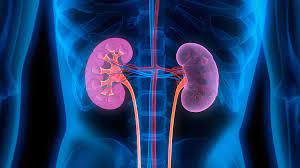
Alin’s two kidneys were allocated to a 10-year-old patient currently undergoing treatment at S.A.T. Hospital. Because of the delicate nature of pediatric organs, time is the most critical variable. The organs were transported by road via a “green corridor”—a coordinated effort by law enforcement to clear traffic—ensuring the medical team had the maximum window for a successful transplant.
“The technical challenges of transplanting infant kidneys into an older child are significant,” says Dr. Rajesh Kumar, a pediatric transplant specialist not involved in the case. “However, the physiological adaptability of these organs is remarkable. In many cases, a donor kidney from an infant will grow and adapt to the needs of a larger recipient over time.”
The Decision Amidst Darkness
The story has touched a chord not just because of the medical milestone, but because of the profound altruism shown by Alin’s parents. State Health Minister Veena George, who has been vocal in her support of the family, noted that the act reflects a “remarkable courage and humanity.”
“The loss of a child is an immeasurable tragedy,” Minister George shared via social media. “Yet, in choosing organ donation, Alin Sherin’s parents have transformed their personal pain into a beacon of hope. Their act underscores the growing awareness about organ donation in Kerala.”
In India, the rate of organ donation remains low compared to Western nations, often due to cultural taboos or a lack of awareness regarding the “brain death” diagnosis. However, Kerala has consistently led the way in public health initiatives, and officials hope Alin’s legacy will further dismantle the stigma surrounding pediatric donation.
Understanding Pediatric Organ Donation
For many, the concept of an infant donor raises complex questions. Medical professionals emphasize that the criteria for declaring brain death in infants are even more stringent than in adults, often requiring two separate examinations by a panel of experts to ensure there is no doubt.
What Can Be Donated?
In pediatric cases, the most common organs and tissues for donation include:
-
-
Kidneys: Often donated en bloc (together) to a single recipient if the donor is very small.
-
Liver: Can sometimes be split or used for a pediatric recipient.
-
Heart Valves: Critical for children born with congenital heart defects.
-
Corneas: Providing the gift of sight.
-
The statistical need is dire. According to data from the National Organ and Tissue Transplant Organization (NOTTO), thousands of children in India are currently on waitlists for life-saving transplants, with pediatric-sized organs being the rarest and most difficult to source.
The Public Health Impact
Public health experts view this event as a turning point for the state’s organ registry. “When a family chooses donation in the face of a sudden, accidental death, it sends a powerful message to the community,” says Dr. Sarah Mathai, a public health researcher. “It moves the conversation from the clinical to the personal. It shows that even in the shortest life, there can be a lasting impact.”
However, experts also caution that the system must remain transparent to maintain public trust. Ethical guidelines mandate that the identity of the donor and recipient remain confidential to protect both families, though in high-profile cases like Alin’s, the donor family may choose to share their story to inspire others.
Limitations and Ethical Considerations
While Alin’s story is a triumph of the human spirit, medical experts note that organ donation is not a universal solution for every tragedy. Not every patient who passes away is a candidate for donation; the organs must be healthy, and the death must occur under specific circumstances—usually involving brain death while the patient is on a ventilator—to keep the organs viable for transplant.
Furthermore, the “size match” between donor and recipient is a significant hurdle in pediatric medicine. A 10-month-old’s heart, for example, cannot support the circulatory needs of an adult, making the pool of potential recipients for infant organs very specific and often very young.
A Legacy That Lives On
As the 10-year-old recipient in Thiruvananthapuram recovers, the medical community continues to monitor the long-term viability of the transplant. For Alin’s family, the path ahead is one of mourning, but it is now intertwined with the knowledge that their daughter’s heartbeat—or the function of her kidneys—continues in another.
“In remembering Alin Sherin, Kerala also remembers the quiet strength of her parents who, in the darkest of moments, chose compassion over despair,” Minister George concluded.
For the rest of the country, Alin’s story serves as a poignant reminder: the gift of life is not defined by the years we live, but by the lives we touch.
Medical Disclaimer
Medical Disclaimer: This article is for informational purposes only and should not be considered medical advice. Always consult with qualified healthcare professionals before making any health-related decisions or changes to your treatment plan. The information presented here is based on current research and expert opinions, which may evolve as new evidence emerges.
References
- https://tennews.in/ten-month-old-infant-becomes-keralas-youngest-organ-donor/