 0
0
 0
0
NEW DELHI — India has reached a historic peak in its public health trajectory, with full immunisation coverage soaring to 98.4% as of January 2026. From the monumental eradication of smallpox in 1977 to the current nationwide rollout of the Human Papillomavirus (HPV) vaccine, the nation’s journey reflects a sophisticated transition from crisis management to proactive preventive care. A comprehensive government fact-sheet released Tuesday outlines a milestone-by-milestone achievement that now positions India as a global leader in vaccine deployment and cold-chain logistics.
A Decade of Rapid Expansion
The last ten years have marked an unprecedented acceleration in the Universal Immunisation Programme (UIP). While the foundation was laid decades ago with the defeat of polio and maternal/neonatal tetanus, the recent “catch-up” pace has been remarkable. Since 2015, the Ministry of Health and Family Welfare has systematically integrated high-impact vaccines into the routine schedule, including the Inactivated Polio Vaccine (IPV), Rotavirus Vaccine (RVV), and the Pneumococcal Conjugate Vaccine (PCV).
These additions have directly addressed the leading causes of child mortality in India: diarrhea and pneumonia. However, the most striking statistic remains the decline of “zero-dose” children—those who have not received any routine vaccinations. This figure plummeted from 0.11% in 2023 to just 0.06% in 2024, signaling that the “last mile” of healthcare delivery is finally being bridged.
The New Frontier: Cervical Cancer Prevention
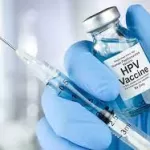
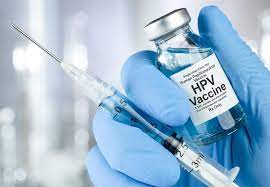
The most recent milestone in this journey occurred on February 28, 2026, when Prime Minister Narendra Modi launched a nationwide HPV vaccination campaign from Ajmer, Rajasthan. This initiative targets approximately 1.15 crore 14-year-old girls, providing the vaccine free of cost at government health facilities.
Cervical cancer remains the second most common cancer among women in India. Experts suggest that integrating the HPV vaccine into the UIP could prevent hundreds of thousands of deaths over the coming decades.
“The introduction of the indigenous Td (Tetanus and adult Diphtheria) and HPV vaccines in 2026 represents a shift toward life-course immunisation,” says Dr. Aruna Sharma, a senior public health consultant not involved in the government report. “We are no longer just looking at infant survival; we are looking at long-term cancer prevention and adolescent health.”
The Digital and Physical Backbone
India’s ability to reach 2.9 crore pregnant women and 2.54 crore newborns annually relies on what is now one of the world’s largest cold-chain networks. This infrastructure is a silent hero in the story of 200 crore COVID-19 doses and the current Measles-Rubella (MR) elimination drive.
The Logistics of Potency
Vaccines are biological products that lose their effectiveness if not kept within strict temperature ranges (usually 2°C to 8°C). To maintain this “cold chain,” India has deployed:
-
30,000 cold chain points ranging from national depots to rural Primary Health Centres (PHCs).
-
1.06 lakh ice-lined refrigerators and deep freezers.
-
432 walk-in coolers for bulk storage.
-
1.3 crore annual immunisation sessions conducted by frontline workers.
This network ensures that a vaccine vial in a remote Himalayan village has the same potency as one in a metropolitan hospital.
Challenges and Counter-Perspectives
Despite the 98.4% coverage rate, hurdles remain. Public health experts warn that “vaccine hesitancy” and “information fatigue” can still threaten progress, particularly in urban slums and highly migratory populations.
“While the numbers are stellar, we must ensure that the quality of data remains verified at the district level,” notes Dr. Rajesh Verma, an epidemiologist. “The focus must now shift from ‘coverage’ to ‘equity’—ensuring that the 1.6% not covered aren’t clustered in specific marginalized communities, which could lead to localized outbreaks of diseases like Measles.”
Furthermore, while the indigenous Td vaccine is a feat of “Atmanirbhar Bharat” (Self-reliant India), maintaining the rigorous global standards of the World Health Organization (WHO) for new indigenous biologicals requires constant surveillance and transparent reporting of Adverse Events Following Immunisation (AEFI).
What This Means for the Citizen
For the average Indian family, these milestones translate to a lower financial burden and increased life expectancy. The UIP provides vaccines free of cost that would otherwise cost thousands of rupees in the private sector.
The Measles-Rubella (MR) elimination goal, currently in its final stages, aims to prevent congenital rubella syndrome, which causes permanent disabilities in newborns. For parents, participating in these government drives is no longer just a matter of following a schedule—it is an act of contributing to a “disease-free” national legacy.
Looking Ahead: The Goal of Elimination
The next immediate target is the formal verification of Measles and Rubella elimination. With the digital backbone of the U-WIN platform (modeled after Co-WIN), health officials can now track every dose in real-time, ensuring that no child is left behind.
India’s immunisation journey proves that with political will, robust infrastructure, and community participation, even the most daunting public health challenges can be dismantled, milestone by milestone.
References
- https://tennews.in/indias-immunisation-journey-one-of-verified-milestone-by-milestone-achievement/
Medical Disclaimer: This article is for informational purposes only and should not be considered medical advice. Always consult with qualified healthcare professionals before making any health-related decisions or changes to your treatment plan. The information presented here is based on current research and expert opinions, which may evolve as new evidence emerges.