 0
0
 0
0
New Delhi, May 11, 2025 – As India celebrates Mother’s Day, a sobering reality emerges from the corridors of maternity wards across the country. According to Dr. Arpana Haritwal, Principal Consultant – Obstetrics & Gynaecology at Max Smart Super Speciality Hospital, the journey to motherhood is becoming increasingly complex and fraught with risk-driven by shifting societal norms, medical trends, and overlooked mental health challenges.
The Rise of High-Risk Pregnancies
Dr. Haritwal highlights a significant trend: nearly half of all pregnancies in India are now considered high-risk. The most prominent factor? Advanced maternal age. More women are choosing to have children later in life, often due to career ambitions, delayed marriages, or fertility challenges. While this shift empowers women in many ways, it also brings heightened risks such as diabetes, hypertension, preterm delivery, and miscarriage.
Modern lifestyles-marked by poor diets, sedentary routines, obesity, and stress-are compounding these risks, making the path to motherhood more challenging than ever before.
The “Muhurat Birth” Phenomenon and Non-Medical C-Sections
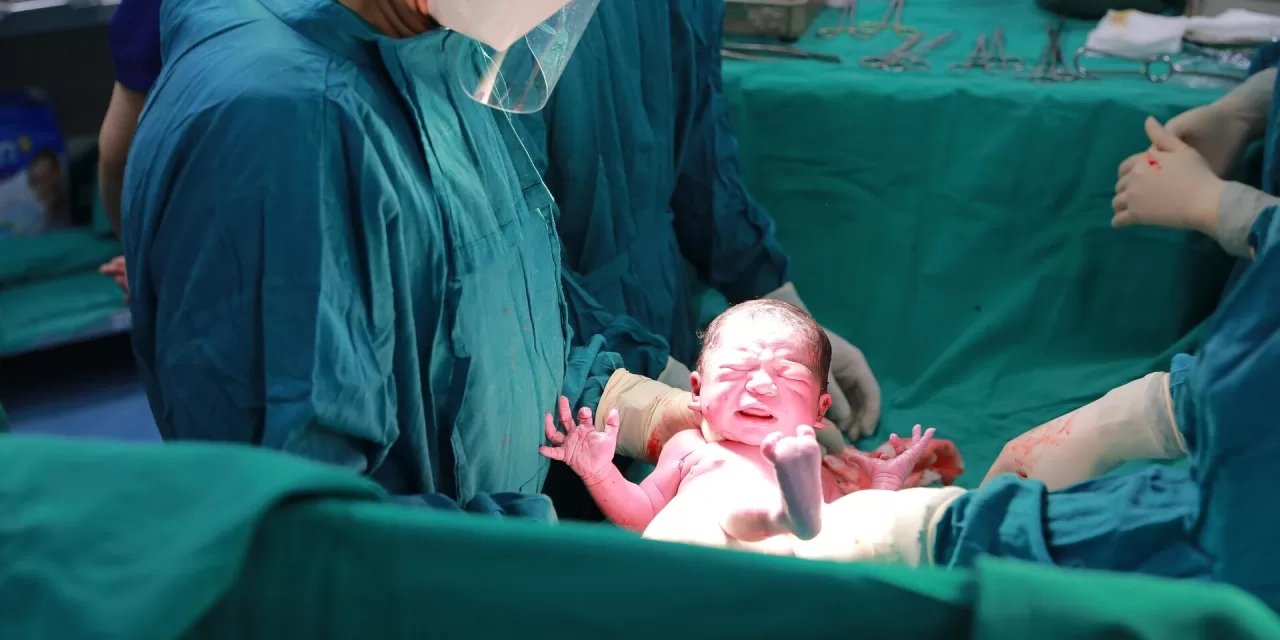
A growing preference for caesarean sections (C-sections) based on convenience, social status, or even astrological beliefs is another concerning trend. “The ‘too posh to push’ mindset is real,” Dr. Haritwal notes. Fear of labor pain, hospital scheduling, and the desire for auspicious birth timings have led to a surge in non-medical C-sections.
However, these choices can have serious consequences: longer recovery times, increased risk of complications in future pregnancies, and even delayed bonding between mother and child. Dr. Haritwal urges expectant parents to make decisions based on medical necessity rather than fear or superstition.
The Silent Crisis: Postpartum Mental Health
While much attention is given to pregnancy and childbirth, postpartum care-especially mental health-is often neglected. Dr. Haritwal points out that new mothers are expected to “bounce back” quickly, even as they face exhaustion, hormonal changes, and societal pressures. Postpartum depression, she warns, is common but rarely discussed openly. Symptoms such as persistent sadness, anxiety, mood swings, and withdrawal should not be ignored.
She emphasizes the importance of normalizing conversations around postpartum mental health and seeking timely help when needed.
Modern Pressures on First-Time Mothers
Today’s first-time mothers face unique challenges: information overload from the internet, unrealistic parenting standards set by social media, the struggle to balance work and motherhood, weakened traditional support systems, and the rising cost of raising a child. These factors can make motherhood feel more like a marathon than a celebration.
Dr. Haritwal advises women over 35 to consider preconception counseling, early screening, and prenatal supplements before trying to conceive. She also calls on families to provide support-not just during celebrations, but in the everyday moments of doubt and fatigue.
A Call for Compassion and Support
This Mother’s Day, Dr. Haritwal’s message is clear: mothers need more than flowers and festivities. They deserve understanding, informed support, and the freedom to speak openly about the challenges of motherhood. True care should extend before, during, and long after childbirth.
Disclaimer:
This article is based on insights from Dr. Arpana Haritwal as reported by ETHealthworld. It is intended for informational purposes only and should not be considered as medical advice. For specific concerns related to pregnancy, childbirth, or mental health, please consult a qualified healthcare professional.
Read the original article on ETHealthworld.