 0
0
 0
0
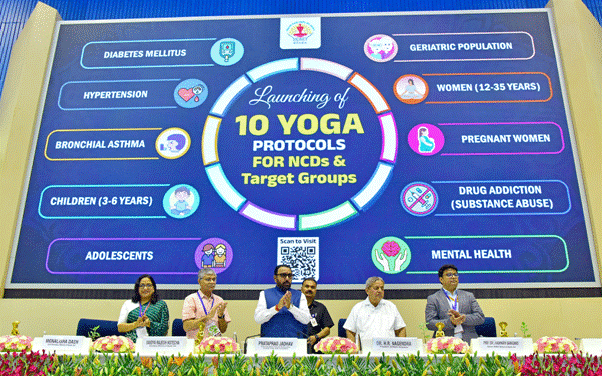
NEW DELHI – In a significant move to integrate traditional wellness with modern clinical needs, the Union Ministry of Ayush officially inaugurated Yoga Mahotsav–2026 today. The event marks the formal 100-day countdown to the 12th International Day of Yoga (IDY) and introduces a sophisticated shift in how the discipline is prescribed: moving from general fitness to targeted medical protocols for chronic diseases.
Addressing a gathering of over 1,500 healthcare professionals, policymakers, and practitioners at the Morarji Desai National Institute of Yoga (MDNIY), Union Minister Shri Prataprao Jadhav emphasized that yoga has transitioned from a cultural heritage to a vital component of the global preventive healthcare infrastructure.
A Clinical Shift: Yoga for Chronic Disease Management
The centerpiece of this year’s Mahotsav is the launch of “10 Yoga Protocols for Non-Communicable Diseases (NCDs) and Target Groups.” These guidelines represent a data-driven approach to addressing the global rise in lifestyle-related conditions such as hypertension, diabetes, and cardiovascular disease.
Unlike general yoga sessions, these protocols are curated for specific life stages and health conditions. “Yoga is a powerful discipline that promotes mental clarity, physical health, and emotional balance,” Minister Jadhav stated. “These protocols enable individuals to take greater responsibility for their health and enhance physical and mental resilience.”
The emphasis on NCDs is timely. According to the World Health Organization (WHO), NCDs kill 41 million people each year, equivalent to 74% of all deaths globally. By standardizing yoga routines for these conditions, the Ministry aims to provide a low-cost, high-impact intervention that complements conventional medical treatments.
AI and Accessibility: The Future of Practice
A notable development announced at the event is the integration of high-tech solutions into ancient practice. Vaidya Rajesh Kotecha, Secretary of the Ministry of Ayush, unveiled an AI-based tool developed through the Ayush Grid.
This digital assistant uses computer vision to guide practitioners in correcting their postures (asanas) in real-time. This addresses a long-standing concern in the medical community regarding the risk of injury when yoga is practiced without professional supervision.
Key Digital Initiatives Launched:
-
Yoga 365: A collaboration between MDNIY and Habuild to provide free daily online sessions, aiming to turn yoga into a year-round habit rather than an annual event.
-
Yoga for Air Travel: A specialized five-minute routine of seated movements and breathing exercises (Pranayama) designed to combat Deep Vein Thrombosis (DVT), improve circulation, and reduce anxiety during long-haul flights.
-
Advanced Y-Break: Now available on the Karmayogi Bharat platform, this module has already seen enrollment from over 10 lakh (1 million) participants.
Expert Perspectives on Holistic Healing
While the popularity of yoga is undeniable—with over 26 crore (260 million) people participating in IDY 2025—medical experts emphasize the importance of its therapeutic application.
Dr. H. R. Nagendra, President of the S-VYASA Society and a prominent figure in yoga research, noted during the technical sessions that yoga should be viewed as a “preventive and therapeutic approach” that must be integrated across all levels of society.
Research published in journals such as The Lancet and Journal of the American College of Cardiology has increasingly supported these claims. For instance, a meta-analysis of randomized controlled trials has shown that yoga can significantly reduce systolic and diastolic blood pressure, making it a potent tool in the fight against the “silent killer” of hypertension.
Balancing Tradition with Evidence-Based Medicine
Despite the enthusiasm, some medical professionals urge a balanced approach. Critics often point out that while yoga is excellent for flexibility and stress reduction, it should not be viewed as a “cure-all” or a replacement for pharmacological interventions in acute cases of NCDs.
“The challenge lies in ensuring that patients do not abandon their primary medications in favor of yoga alone,” says an independent consultant in Integrative Medicine. “The goal is ‘Integrative Health’—using yoga to improve the body’s baseline health while following evidence-based medical protocols.”
The Ministry’s new protocols appear to address this by focusing on “Target Groups,” including the geriatric population, ensuring the movements are safe and age-appropriate to prevent musculoskeletal injuries.
Practical Implications for the Public
For the average consumer, Yoga Mahotsav–2026 signals a shift toward accessibility. With the launch of the toll-free registration number (1800-315-7008) for the Yoga 365 campaign, the barrier to entry has never been lower.
What this means for you:
-
Consultation is Key: Before starting the new NCD protocols, consult your physician to ensure the specific poses are safe for your current health status.
-
Consistency Over Intensity: The “Yoga 365” initiative underscores that 15 minutes of daily practice is more beneficial for the nervous system than a grueling two-hour session once a month.
-
Utilize Technology: Use the Ayush AI tools to ensure your alignment is correct, reducing the risk of joint strain.
As the 100-day countdown begins, the movement toward a “Yoga-literate” society continues to gain momentum, positioning India at the forefront of a global shift toward holistic, preventive wellness.
References
Official Sources:
-
Ministry of Ayush, Government of India. (March 13, 2026). Yoga Mahotsav–2026: 100-Day Countdown to IDY. Press Information Bureau (PIB) Delhi.
Medical Disclaimer: This article is for informational purposes only and should not be considered medical advice. Always consult with qualified healthcare professionals before making any health-related decisions or changes to your treatment plan. The information presented here is based on current research and expert opinions, which may evolve as new evidence emerges.