 0
0
 0
0
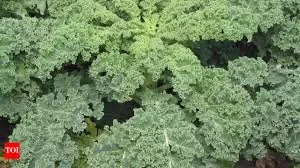
Kale, a leafy green vegetable long celebrated in culinary circles, is gaining recognition as a nutritional powerhouse that surpasses traditional sources of calcium and vitamin C, such as milk and oranges. This winter-hardy vegetable provides more calcium per gram than milk and delivers higher concentrations of vitamin C than oranges, positioning it as a vital superfood for health-conscious consumers and healthcare professionals alike. Beyond these headline nutrients, kale offers a rich complement of vitamins, antioxidants, and minerals that collectively support bone health, immunity, and overall vitality. Growing easily in cold climates and adaptable to diverse soils, kale also represents a sustainable and eco-friendly food choice.
Kale’s Key Nutritional Advantages
One hundred grams of kale offers an impressive nutritional profile:
-
Calcium: Kale contains more calcium per gram than milk, essential for maintaining strong bones and teeth. Calcium is crucial for muscle function, nerve signaling, and vascular contraction.
-
Vitamin C: Kale surpasses oranges in vitamin C content. Vitamin C plays a crucial role in immune defense, collagen synthesis for skin and connective tissue repair, and acts as a potent antioxidant.
-
Vitamin K: Providing over 600% of the recommended daily intake, vitamin K is essential for blood clotting and bone metabolism.
-
Beta-carotene: A precursor to vitamin A, this compound supports eye health, skin integrity, and immune system function.
-
Antioxidants: Compounds such as quercetin and kaempferol help counter inflammation and oxidative stress, both implicated in chronic diseases.
-
Iron: Kale supplies plant-based iron, which, combined with vitamin C, enhances absorption, helping to prevent anemia.
Dr. Anjali Mehta, a registered dietitian and nutrition scientist, notes, “Kale’s nutritional density makes it an excellent choice, especially for individuals seeking plant-based alternatives rich in calcium and vitamin C. Its unique profile supports bone health, immune function, and antioxidant protection, which are vital in chronic disease prevention.” She is not affiliated with the research but emphasizes kale’s role in diverse dietary patterns.
Context for Public Health and Plant-Based Diets
Kale has become a cornerstone in vegetarian and vegan diets, often replacing dairy and meat as nutrient-dense options for calcium, iron, and protein. Its high fiber content further promotes digestive health by supporting gut microbiota diversity and regularity. For the growing population embracing plant-based lifestyles or those reducing animal product intake, kale offers a practical and nutrient-rich solution to meet essential dietary requirements.
The resilience of kale extends to farming as well. Known as a “winter warrior,” kale thrives in cold weather due to its natural antifreeze compounds, allowing cultivation when other vegetables falter. This reliable crop reduces vulnerability to seasonal shortages and supports food security.
Culinary Versatility and Suggestions
Incorporating kale into everyday meals is straightforward and appealing. Some inventive culinary uses include:
-
Kale pesto made with garlic, nuts, olive oil, and nutritional yeast, offering a nutrient-packed sauce alternative.
-
Using large kale leaves as wraps or stuffing them with grains, legumes, and vegetables for hearty, plant-forward dishes.
-
Adding sautéed kale to eggs or breakfast burritos to start the day with a nutrient boost.
-
Fermenting kale for homemade sauerkraut or kimchi, which adds a probiotic dimension alongside vitamins and antioxidants.
These methods highlight kale’s adaptability and appeal across different cuisines, diets, and tastes.
Sustainability and Environmental Impact
Kale’s environmental footprint is notably low compared to animal-sourced foods, requiring less water, energy, and land. This makes it an eco-friendly choice for consumers concerned with sustainability and climate impact. Given the growing global emphasis on reducing carbon emissions and resource use, kale exemplifies how nutritious food choices can align with environmental stewardship.
Limitations and Balanced Perspective
While kale delivers remarkable nutrients, expert caution is warranted. Excessive consumption of kale, especially raw, can interfere with thyroid function in susceptible individuals due to goitrogens. Cooking reduces this risk by deactivating these compounds. Additionally, kale should be part of a varied diet, as relying solely on one food may lead to nutrient imbalances.
Further research is needed to clarify optimal intake levels and the bioavailability of certain nutrients in kale, particularly in different populations with varied health conditions.
Implications for Daily Health Decisions
In practical terms, including kale in meals can enhance calcium and vitamin C intake in a natural, plant-based way, particularly beneficial for those with lactose intolerance or limited access to citrus fruits. Its nutrient density supports bone strength, immune resilience, and antioxidant defense, aiding overall health maintenance.
Health experts advise combining kale with complementary nutrients such as vitamin D for calcium absorption and protein for muscle maintenance. Its ease of preparation and availability year-round make kale an accessible superfood for many households.
Medical Disclaimer: This article is for informational purposes only and should not be considered medical advice. Always consult with qualified healthcare professionals before making any health-related decisions or changes to your treatment plan. The information presented here is based on current research and expert opinions, which may evolve as new evidence emerges.
References:
-
Nutritional profile and health benefits of kale. Times of India, Life-Style Food News, August 2025. https://timesofindia.indiatimes.com/life-style/food-news/forget-milk-and-oranges-this-herb-is-a-natural-powerhouse-for-calcium-and-vitamin-c/articleshow/123619778.cms