 0
0
 0
0
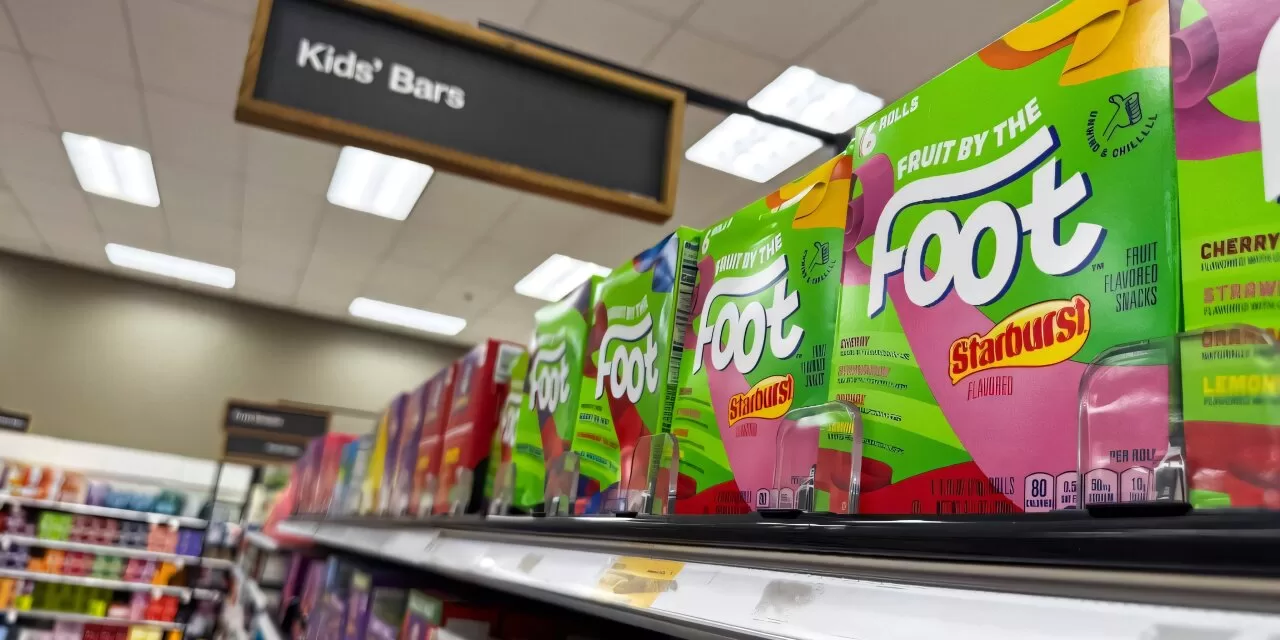
April 30, 2025 – The food industry in the United States is accelerating efforts to replace artificial colors with natural alternatives, following new guidance from health officials and growing public concern over the safety of synthetic dyes.
Last week, U.S. health authorities called on food companies to voluntarily phase out petroleum-based synthetic dyes by the end of 2026. The move comes after the recent ban on Red 3, a dye linked to cancer risks in laboratory animals, and increasing pressure from both consumers and advocacy groups.
U.S. Health Secretary Robert F. Kennedy Jr. described these dyes as “poisonous compounds” that could potentially harm children’s health and development, according to The Associated Press.
Natural Colors: A Complex Challenge
For decades, artificial dyes have been a staple in products like cereals, candies, and sports drinks, prized for their vibrant hues and stability. However, the transition to natural alternatives is proving to be a complex and costly endeavor.
At Sensient Technologies, one of the world’s leading color manufacturers, scientists are working to replicate synthetic shades using natural ingredients. Food scientist Abby Tampow recently experimented with carrot juice and beta-carotene to match the synthetic red found in raspberry vinaigrette.
“Most of our customers have decided that this is finally the time when they’re going to make that switch to a natural color,” said Dave Gebhardt, Sensient’s senior technical director.
Yet, natural dyes present unique challenges. They are generally less stable under heat and light, and can cost up to ten times more than their synthetic counterparts. “It’s not like there’s 150 million pounds of beet juice sitting around waiting on the off chance the whole market may convert,” Sensient CEO Paul Manning explained. “Tens of millions of pounds of these products need to be grown, pulled out of the ground, extracted.”
Sourcing and Production Hurdles
Natural dyes are derived from sources such as fruits, vegetables, flowers, and even insects. For example, achieving a bright “Barbie pink” naturally may require cochineal insects from Peru-about 70,000 bugs are needed to produce just 2.2 pounds of dye.
Currently, about one in five U.S. food products contains added colors, often using multiple dyes. While the U.S. Food and Drug Administration (FDA) maintains that approved dyes are safe when used as directed, critics argue that artificial colors are markers of ultraprocessed foods, which make up more than 70% of the American diet and have been linked to health issues like heart disease, diabetes, and obesity.
“I am all for getting artificial food dyes out of the food supply,” said Marion Nestle, a food policy expert. “They are strictly cosmetic, have no health or safety purpose, are markers of ultraprocessed foods, and may be harmful to some children.”
Consumer Preferences and Industry Response
The transition away from artificial dyes is not without its risks. In 2016, General Mills removed artificial colors from Trix cereal, only to reintroduce them a year later after consumer backlash over the loss of the cereal’s iconic neon colors and flavors.
Nevertheless, major companies like PepsiCo and WK Kellogg are moving ahead with plans to eliminate synthetic dyes. Sensient Technologies and similar firms are ramping up efforts to support food manufacturers in meeting the 2026 deadline.
“Now that there’s a date, there’s the timeline,” said Manning. “It certainly requires action.”
Disclaimer:
This article is based on information from Medical Xpress and The Associated Press, as well as statements from industry experts and health officials. While efforts to replace artificial food dyes are ongoing, the safety and efficacy of natural alternatives continue to be evaluated. For the latest guidance on food additives, consult the U.S. Food and Drug Administration or a qualified health professional.
Citations: