 0
0
 0
0
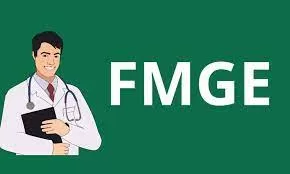
The National Board of Examinations in Medical Sciences (NBEMS) will release admit cards for the Foreign Medical Graduate Examination (FMGE) December 2025 session on January 14, 2026. This computer-based test, scheduled for January 17, 2026, across multiple centers in India, serves as the mandatory screening for foreign-trained medical graduates seeking licensure to practice medicine in the country. With results expected by February 17, 2026, thousands of candidates prepare amid historically low pass rates.
Exam Logistics and Admit Card Access
Candidates can download their admit cards from the official NBEMS website using their user ID, password, and captcha verification. The process involves logging into the FMGE section, selecting the download option, and saving the document for future reference, with availability lasting until the exam day. NBEMS notifies eligible applicants via SMS and email but does not send physical copies by post.
Reporting times on admit cards dictate entry to the reporting counter, which closes 30 minutes before the test starts, emphasizing early arrival to navigate venue layouts using provided Google Maps. Biometric verification, including fingerprints and photographs, occurs at entry, alongside barcode/QR code scans for lab assignment.
Required Documents and Prohibited Items
Candidates must carry a printed color copy of the admit card and one original government-issued photo ID such as PAN card, driving license, Voter ID, passport, or Aadhaar card with a clear photo. E-Aadhaar requires a high-quality printout matching the candidate’s appearance; photocopies or expired IDs lead to denial of entry.
Prohibited items beyond security checkpoints include stationery, electronic devices like mobiles and calculators, jewelry, wallets, bags, food, and drinks to prevent unfair practices. Permitted items remain limited to the admit card, ID, and PwD certificates if applicable, with no storage facilities available.
Test Day Security and Conduct
Finger biometrics, photos, and face ID verification against application images ensure authenticity, supplemented by manual attendance. Candidates proceed to assigned workstations under invigilator guidance, maintaining admit cards and IDs throughout the 5-hour exam divided into two 150-minute parts covering 300 MCQs without negative marking.
Surveillance cameras monitor activity in partitioned workstations, with instructions delivered via invigilators. This rigorous protocol upholds exam integrity amid rising candidate numbers from abroad-trained Indian students.
Background on FMGE and Its Role
FMGE ensures foreign medical graduates, primarily Indian citizens studying MBBS overseas, meet National Medical Commission (NMC) standards for provisional or permanent registration with medical councils. Eligible candidates hold primary qualifications from abroad and must pass with at least 150/300 marks (50%) to practice or pursue postgraduate studies like NEET-PG.
Conducted biannually, the exam aligns with MBBS curriculum across pre-clinical, para-clinical, and clinical subjects, bridging gaps in international training. Registration for December 2025 occurred from November 14 to December 4, 2025, with fees around INR 6,195.
Statistical Context and Pass Rate Challenges
Recent sessions highlight low pass rates: June 2025 saw 18.61% passing out of 36,039 appeared (6,707 qualified, 29,327 failed), down from December 2024’s 29.62%. Historical trends fluctuate between 10-30%, with June sessions often lower, reflecting preparation hurdles for over 37,000 registrants per cycle.
Exact figures for December 2025 registrants remain pending, but patterns suggest 35,000-45,000 participants, underscoring FMGE’s gatekeeping role amid a surge in overseas MBBS pursuits due to competitive Indian seats.
Expert Perspectives on Preparation and Importance
Dr. Anuj Goyal, co-founder of Get My University, notes that first-time attempters from the 2019 batch faced NMC policy shifts like FMGL Regulations 2021, yet diligent preparation yields success. “FMGE standardizes competencies, ensuring patient safety regardless of training origin,” states a medical educator via preparation guides.
Experts recommend 3-month plans: foundation-building in high-weightage subjects (Medicine, Surgery, OBGYN), 100 daily MCQs, PYQ analysis, and clinical integration without skipping short subjects like Radiology. Mock tests simulate conditions, focusing on antidotes, guidelines, and images for the English-medium CBT.
FMGs contribute diverse experiences, with cleared candidates often excelling clinically post-internship, countering biases. “Those passing FMGE on first attempt demonstrate rigor comparable to NEET-PG levels,” per forum insights from practitioners.
Public Health Implications
Passing FMGE bolsters India’s doctor shortage by integrating skilled foreign graduates into hospitals, research, and PG programs, enhancing workforce diversity. It upholds quality, as only qualified professionals treat patients, fostering trust.ruseducation+2
Yet low passes strain supply, prompting calls for NExT transition—a unified exit test for all graduates—to streamline licensure. This could equalize opportunities while maintaining standards amid global mobility.
Limitations and Future Outlook
Challenges include variable foreign curriculum quality, leading to preparation gaps and mental stress for repeaters. No re-evaluation exists, and withheld results occur rarely.
NMC’s FMGL 2021 mandates registration in awarding countries and full internships abroad, with NExT looming post-2024. Candidates should verify centers via intimation slips already released.
Practical advice: Prioritize sleep, light revision last days, and official channels for updates to navigate this pivotal step toward medical practice in India.
Medical Disclaimer: This article is for informational purposes only and should not be considered medical advice. Always consult with qualified healthcare professionals before making any health-related decisions or changes to your treatment plan. The information presented here is based on current research and expert opinions, which may evolve as new evidence emerges.
References:
-
Medical Dialogues. (2026). FMGE December 2025 admit card to be released on January 14, know test day procedures. https://medicaldialogues.in/news/education/fmge-december-2025-admit-card-to-be-released-on-january-14-know-test-day-procedures-162421cerebellumacademy