 0
0
 0
0
A groundbreaking study from Johannes Gutenberg University Mainz (JGU) has uncovered a strong link between the brain’s ability to synchronize its rhythms and higher cognitive abilities—especially during demanding tasks that require focus and quick mental shifts.
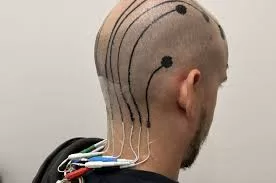
Researchers led by Professor Anna-Lena Schubert investigated how the brain coordinates its activity under pressure, comparing the process to a well-rehearsed orchestra adjusting its performance in real time. The study, published in the Journal of Experimental Psychology: General, involved 148 participants aged 18 to 60 who completed memory and intelligence tests while their brain activity was monitored using electroencephalography (EEG).
The team focused on midfrontal theta waves—brain rhythms that oscillate between four and eight hertz—which are known to emerge when the brain is challenged, such as during focused thinking or conscious behavioral control. The results showed that individuals with higher cognitive abilities demonstrated stronger synchronization of these theta waves, particularly when making decisions or switching between tasks.
“Specific signals in the midfrontal brain region are better synchronized in people with higher cognitive ability—especially during demanding phases of reasoning,” explained Schubert. This dynamic coordination allows individuals to maintain focus and resist distractions, like ignoring a buzzing phone while working or reading in a noisy environment.
What stood out most to the researchers was not just the presence of synchronization, but its flexibility. The brain’s ability to adapt its timing flexibly and contextually—much like an orchestra following a skilled conductor—was closely tied to intelligence. The midfrontal region often leads this coordination but works in concert with other brain areas, especially during decision-making moments.
The study marks a shift from previous research that focused on isolated brain regions, instead adopting a network-level approach to understand how different areas interact across multiple tasks. This new perspective offers important groundwork for understanding intelligence at the neural level and could inform future brain-based training tools or diagnostics.
Disclaimer:
This article is based on research findings from Johannes Gutenberg University Mainz and is intended for informational purposes only. The interpretations and implications discussed do not constitute medical advice. Readers are encouraged to consult qualified professionals for any health-related concerns or before making decisions based on this information.