 0
0
 0
0
The first confirmed human case of the flesh-eating New World screwworm parasite in the United States has been identified in Maryland in a person who recently traveled from Guatemala. This marks a concerning development as outbreaks of this parasitic fly, which devastates livestock and can also infest humans, have been escalating and moving northward from Central America and southern Mexico since late 2023. The case has prompted public health and agricultural authorities to heighten surveillance and prevention efforts in the U.S.
Key Findings and Developments
The patient in Maryland received medical treatment and survived the infestation, marking the first known human screwworm case in the U.S. since the parasite’s eradication in the 1960s. The U.S. Centers for Disease Control and Prevention (CDC) confirmed the case and notified state health and veterinary authorities, although communication was noted to be limited, with the CDC deferring public information to Maryland state officials. The case was first publicly revealed through industry communications on August 20, 2025 .
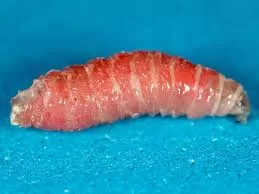
Screwworms (Cochliomyia hominivorax) are parasitic flies native to the Americas. Female flies lay eggs in open wounds on warm-blooded animals, and the emerging larvae burrow into living flesh, causing severe tissue damage. Without timely treatment, infestations can be fatal in both animals and humans. The parasite has serious economic impacts, especially in cattle industries, due to illness and death in livestock .
Expert Commentary and Context
Beth Thompson, South Dakota’s state veterinarian, confirmed awareness of the case through direct information sources, emphasizing the parasite’s rarity in human hosts but recognized menace to livestock. The U.S. Department of Agriculture (USDA) has been preparing to combat a possible outbreak by planning a sterile fly production facility in Texas, a measure modeled on the 1960s eradication campaign using sterile insect technique, where sterile males are released to reduce reproduction .
Dr. Michael Johnson, an entomologist not involved with the case, notes, “Screwworm infestations in humans are extremely rare but require rapid identification and treatment. The concern is greater for the cattle industry and wildlife, where infestations can lead to severe economic and ecological damage.” His insights underscore the necessity of vigilance, especially with increased parasite movement northwards from endemic regions .
Background on Screwworms
Screwworm flies were eradicated from the U.S. in the 1960s through an innovative sterile insect technique. However, infestations persist in Central and South America and parts of the Caribbean, where they remain endemic. Since 2023, a resurgence of cases in Mexico has been noted, with the parasite moving closer to the U.S. border, forcing authorities to restrict livestock trade to prevent influx .
The USDA estimates a potential outbreak in cattle-producing states like Texas could cost billions in livestock loss, treatment costs, and labor. The parasite’s ability to kill livestock within weeks if untreated makes it a critical biosecurity issue for the U.S. agriculture sector .
Public Health and Agricultural Implications
While human screwworm cases are rare, the parasite’s presence in the U.S. increases vigilance needs to protect both public and veterinary health. Early detection and prompt treatment are crucial for human cases, which require meticulous removal of larvae and wound disinfection. For agriculture, controlling screwworms is vital to prevent large-scale economic losses and livestock mortality.
The USDA and Mexican government efforts to build sterile fly breeding facilities signal a coordinated regional response. Panama’s existing facility produces up to 100 million sterile flies weekly; however, the USDA estimates about 500 million weekly are needed to control the pest near the southern U.S. border .
Limitations and Uncertainties
Details about the patient’s condition, treatment, and exact circumstances remain confidential due to privacy laws. CDC’s limited public disclosure raised questions about transparency. The isolated nature of this case leaves uncertainties about the parasite’s spread risk to humans and animals in other U.S. regions.
The complex logistics and timeline in bringing new sterile fly production facilities online—estimated at 2 to 3 years for the Texas facility—highlight challenges in rapid outbreak containment. Market and political pressures may influence response strategies as cattle futures are affected by screwworm risks .
What This Means for Readers
For the general public, the risk of human screwworm infestation remains very low but awareness is important for those traveling to or from endemic regions. Any wounds unhealed or showing abnormal symptoms after travel should prompt medical consultation. For U.S. livestock farmers and animal handlers, maintaining vigilance and compliance with biosecurity measures remains critical to prevent outbreaks.
Consumers may also see indirect effects as cattle industry challenges could influence beef supply and prices. Continued support for research and regional cooperation is essential in mitigating this parasitic threat.
Medical Disclaimer: This article is for informational purposes only and should not be considered medical advice. Always consult with qualified healthcare professionals before making any health-related decisions or changes to your treatment plan. The information presented here is based on current research and expert opinions, which may evolve as new evidence emerges.
References:
-
Garrison, C., Polansek, T., Schlitz, H., Douglas, L., Renshaw, J. “First human screwworm case in US traced to person in Maryland who traveled from Guatemala,” Reuters/Economic Times Health, August 2025.