 0
0
 0
0
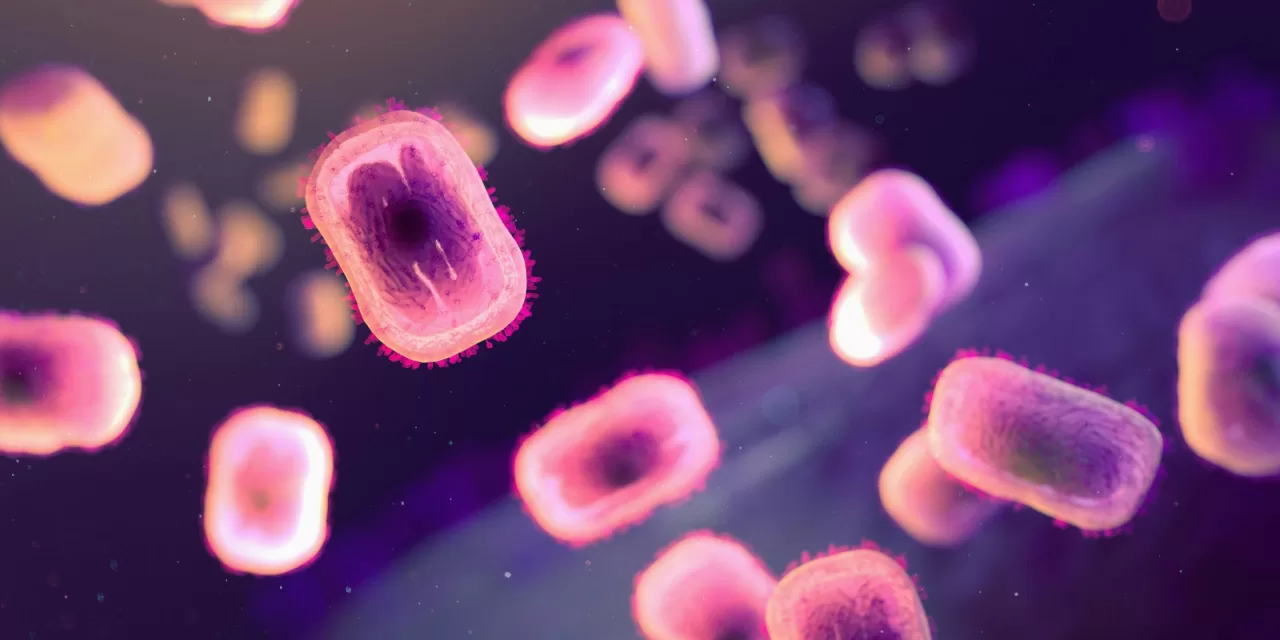
A new, more transmissible variant of Mpox (monkeypox), known as variant 1b, has been detected for the first time in the Netherlands, prompting close monitoring by both European and global health authorities. The case was confirmed by Dutch Health Minister Jan Anthonie Bruijn on October 17, 2025, marking a significant development in the epidemiology of Mpox across Europe.
The Netherlands reported its first case of a new and more transmissible Mpox variant (clade 1b) in mid-October 2025, detected in a patient with no recent travel history or prior vaccination against the disease. The infected individual is currently in isolation as local health services undertake thorough contact and source tracing, with authorities stating that while the case is being treated cautiously, the risk of wider spread remains low.
Key Findings & Developments
Mpox variant 1b is distinguished by several mutations, including in genes linked to APOBEC3 cytosine deaminase, a marker associated with sustained human-to-human transmission. Reports suggest this genetic change may account for its increased transmissibility compared to previous variants. The variant was first identified in the Democratic Republic of Congo and has since been observed in neighboring African nations and now in parts of Europe, signaling geographical expansion and raising concerns among public health officials.
-
Epidemiological Context: Between November 2023 and August 2024, clade 1b cases were reported in Rwanda, Uganda, Kenya, Sweden, and now the Netherlands.
-
Clinical Presentation: Mpox continues to present with symptoms such as fever, fatigue, painful skin lesions, and swollen lymph nodes. The disease is primarily spread through close, skin-to-skin contact, but can also be transmitted via contaminated objects or respiratory particles.
Expert Commentary
Dr. Sabine van Aarle, infectious disease epidemiologist at Erasmus Medical Center (not directly involved in the Netherlands case), commented, “The emergence of clade 1b outside Africa raises important questions about transmission in non-endemic regions. Although the immediate risk of community spread appears low, vigilance in surveillance is key”.
Dr. Rajesh Yadav, lead author of a review on clade 1b, noted, “Mutations found in the new variant may facilitate easier spread through close physical contact. This is an early warning sign for healthcare systems to ensure robust testing and public awareness efforts are in place”.
Context & Background
Mpox, formerly called monkeypox, is a viral infectious disease classified under the Orthopoxvirus genus. First known for outbreaks in Central and West Africa, Mpox achieved global prominence in 2022 with the emergence of clade IIb, which spread widely among communities. The recently observed clade 1b in the Netherlands is genetically distinct from clade IIb and appears to be linked to a history of human-to-human transmission in African outbreaks.
-
Transmission Routes: Skin-to-skin, mouth-to-skin, mouth-to-mouth contact, and contaminated objects remain primary routes. Healthcare settings, sexual contact, and even maternal transmission during pregnancy have been documented.
-
Animal Reservoirs: While animal-to-human transmission has occurred, the precise animal reservoirs for monkeypox remain unidentified, warranting further research.
Implications for Public Health
Public health authorities, including the European Centre for Disease Prevention and Control (ECDC) and the World Health Organization (WHO), are closely tracking these developments. The appearance of a case with no travel history underscores the potential for local transmission. Enhanced surveillance, quick diagnostic response, and targeted vaccination strategies are essential to curb any potential outbreaks.
-
Advice for Individuals: Those with multiple sexual partners or involved in certain community settings (tattoo parlors, shared housing, etc.) may be at higher risk. Good hygiene and awareness of Mpox symptoms are vital, especially for immunocompromised people.
-
Preventive Steps: Strengthening infection prevention protocols, rapid contact tracing, and public education campaigns are recommended by experts.
Limitations & Counterarguments
While the initial assessment suggests a limited risk of wider outbreak in the Netherlands, the full public health impact remains uncertain, especially as clade 1b’s long-term transmissibility and pathogenicity in non-endemic settings have yet to be thoroughly studied. There is ongoing research regarding the efficacy of existing Mpox vaccines against variant 1b—early functional studies suggest no loss of efficacy, but results are not yet conclusive.
-
Scientific Gaps: Mutational analysis points to changes in immune-modulating genes and drug targets, but their effects on disease severity and drug responsiveness need further lab and clinical confirmation.
-
Balancing Response: Authorities caution against public alarm, emphasizing evidence-based, proportionate risk management while closely monitoring the situation.
Practical Implications
For readers and healthcare professionals, the practical message is clear: vigilance is required, but panic is unwarranted. People should be aware of symptoms and transmission modes, and consult healthcare providers if exposed or symptomatic. Healthcare workers should reinforce standard infection prevention measures and remain updated on guidelines from national and international health authorities.
Medical Disclaimer:
This article is for informational purposes only and should not be considered medical advice. Always consult with qualified healthcare professionals before making any health-related decisions or changes to your treatment plan. The information presented here is based on current research and expert opinions, which may evolve as new evidence emerges.
References
- https://www.newsgram.com/health/2025/10/22/first-case-of-new-mpox-variant
- https://www.ndtv.com/world-news/first-case-of-new-mpox-variant-detected-in-netherlands-9495529