 0
0
 0
0
Lucknow, April 20, 2025 – Non-Alcoholic Fatty Liver Disease (NAFLD), a condition quietly reaching significant proportions across India, is increasingly linked to modern sedentary lifestyles, poor dietary choices, and rising obesity levels. Health experts are now highlighting that the preventative measures against this growing health concern are accessible and centre around fundamental lifestyle changes: shedding excess weight, embracing healthier eating habits, and cutting out processed junk food.
Doctors emphasize that even modest weight loss can make a substantial difference. Losing a minimum of 3-5% of total body weight can significantly decrease fat accumulation in the liver. For individuals diagnosed with more advanced stages of NAFLD, a more substantial weight loss of 7-10% is often recommended to help reverse existing liver damage and improve overall liver function. This weight management goal is best achieved through a combined approach of controlling calorie intake and engaging in regular physical activity.
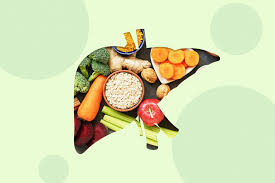
Beyond weight loss, what and when you eat plays a crucial role. Nutritionists stress the importance of balanced meals consumed at regular intervals throughout the day. A diet rich in vegetables, whole grains, fruits, and lean proteins supports liver health. Conversely, irregular eating patterns, skipping meals, or late-night binge-eating can put unnecessary strain on the liver. Incorporating fiber-rich foods like oats, brown rice, and legumes, along with healthy fats found in nuts, seeds, and olive oil, is beneficial. Experts strongly advise avoiding excessive carbohydrates, particularly refined options like white bread, sugary snacks, and fried foods.
Perhaps the most significant dietary factor contributing to NAFLD is the high consumption of junk and processed foods. Items loaded with sugar, saturated fats, and refined flour are identified as direct contributors to the buildup of fat in the liver. Health professionals urge the public to firmly reject sugary drinks and sodas, packaged snacks, instant meals, deep-fried items, and fast food.
Furthermore, a lack of physical activity is a major contributing factor. Experts recommend incorporating at least 30 minutes of moderate exercise – such as brisk walking, cycling, or swimming – on at least five days per week. Regular activity not only helps manage weight but also improves the body’s overall metabolism and liver health.
Since NAFLD often presents no symptoms in its early stages, regular health screenings are vital. Routine check-ups that include liver function tests and abdominal ultrasounds can facilitate early detection. Identifying the condition early is key to preventing serious complications down the line, such as cirrhosis (scarring of the liver) or even liver failure.
Disclaimer: This news article is based on information provided by health experts and is intended for informational purposes only. It does not constitute medical advice. Please consult with a qualified healthcare professional for any personal health concerns, diagnosis, or before making any decisions related to your health or treatment plan.