 0
0
 0
0
December 15, 2025
LONDON — A newly identified genetic trait that allows avian influenza viruses to bypass one of the human body’s most critical defenses—fever—could be the catalyst for the next global pandemic, according to groundbreaking research published late last month in the journal Science.
The study, led by researchers at the Universities of Cambridge and Glasgow, reveals that while seasonal human flu viruses are effectively neutralized by the body’s elevated temperatures, bird flu strains possess a “thermal armor” that allows them to thrive even when a patient is running a high fever. This discovery offers a chilling explanation for the virulence of H5N1 and other avian strains, which have continued to alarm global health authorities throughout 2024 and 2025.
The ‘Thermostat’ Gene
Fever is often viewed as a distressing symptom of illness, but biologically, it is a sophisticated defense mechanism. When the human body detects a viral invader, it raises its core temperature to create an inhospitable environment for the pathogen.
“Fever is one of the body’s main tools for slowing or stopping viral infections,” explains Dr. Matt Turnbull, the study’s lead author from the University of Glasgow’s Centre for Virus Research. “However, our research shows that avian flu strains can keep multiplying even when the body reaches temperatures that normally hinder viruses.”
The study focused on a specific viral gene known as PB1, which acts as a molecular thermostat. Human influenza viruses, which have adapted to replicate in the cooler upper respiratory tract (approximately 33°C or 91°F), become unstable and stop replicating when body temperatures rise to fever levels (38°C–41°C).
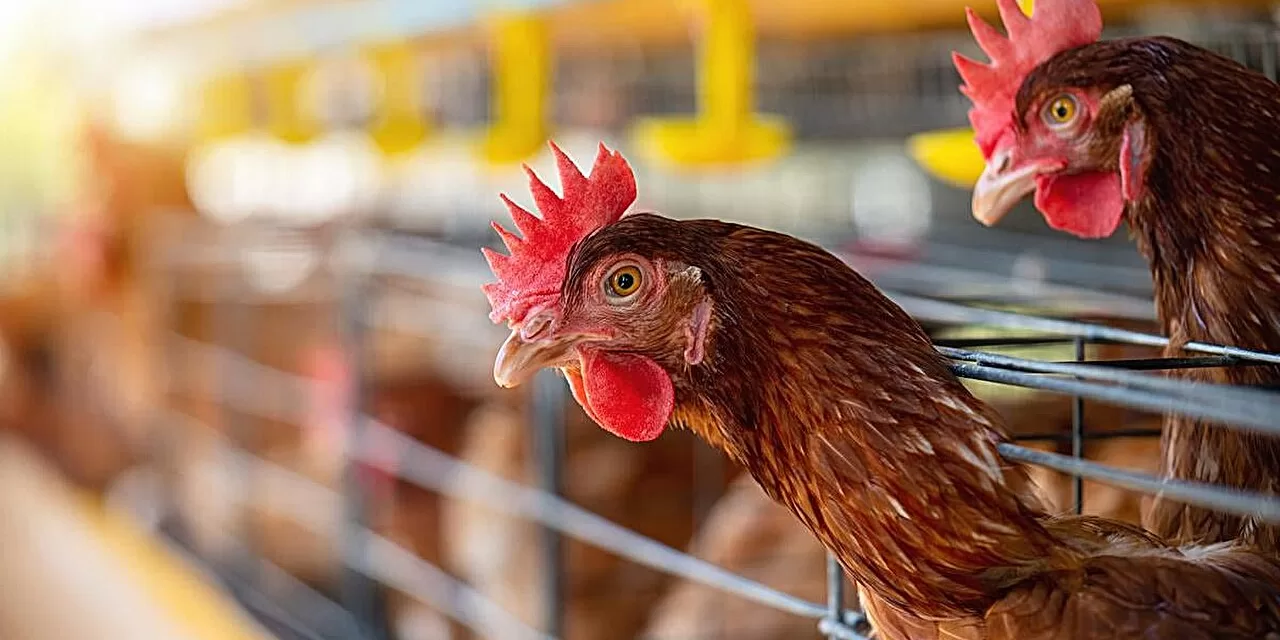
In contrast, avian influenza viruses naturally evolve in the guts of birds, where normal body temperatures run significantly hotter—often exceeding 40°C (104°F). The researchers found that the avian version of the PB1 gene allows the virus to function perfectly in these intense heat conditions.
In laboratory tests using mice, the difference was stark. Raising the animals’ body temperature by just 2°C was enough to turn a lethal human flu infection into a mild one. However, the same temperature spike did absolutely nothing to slow down viruses carrying the avian PB1 gene, which continued to replicate and cause severe disease.
Echoes of Past Pandemics
This thermal resilience is not just a biological curiosity; it has historical precedent. The researchers noted that the avian PB1 gene played a critical role in the influenza pandemics of 1957 and 1968, which killed millions globally. In both instances, a human flu virus swapped genes with an avian virus—a process called reassortment—and acquired the heat-resistant PB1 gene, likely contributing to the severity of those outbreaks.
“The ability of viruses to swap genes is a continued source of threat,” Dr. Turnbull warns. “We’ve seen it happen before… This may help explain why these pandemics caused serious illness in people.”
Rising Cases and Global Jitters
The findings come at a precarious moment for global public health. Throughout 2024 and 2025, the H5N1 virus has demonstrated an unsettling ability to jump species barriers. As of December 2025, the U.S. Centers for Disease Control and Prevention (CDC) has confirmed over 70 human cases in the United States since the outbreak began in dairy cattle earlier in 2024.
While many of these recent cases have been mild, manifesting primarily as conjunctivitis (pink eye) in farm workers, the potential for severity remains. The World Health Organization (WHO) reports that historically, H5N1 has a case fatality rate of over 50% in humans, with nearly 470 deaths recorded since 2003.
“Thankfully, humans don’t tend to get infected by bird flu viruses very frequently,” notes Professor Sam Wilson of the University of Cambridge, the study’s senior author. “But bird flu fatality rates in humans have traditionally been worryingly high… Understanding what makes bird flu viruses cause serious illness in humans is crucial for pandemic preparedness.”
Independent Expert Perspectives
The study has garnered significant attention from the wider scientific community. Professor Wendy Barclay, Chair of the Medical Research Council (MRC) Infections and Immunity Board, who was not involved in the study, called the research “elegant.”
“The authors show that… avian influenza viruses, whose natural hosts have higher body temperatures, are not controlled by the fever response when they cross into mammals,” Prof. Barclay commented. She added that these findings have “important implications for when and how to use drugs to control the fever that is associated with an influenza infection.”
This raises a complex clinical dilemma: if fever is a primary defense against flu, could treating a patient with fever-reducing drugs (antipyretics like ibuprofen or acetaminophen) inadvertently help the virus survive? While the study authors stress that it is too early to change treatment guidelines, the question highlights how little we still understand about the interaction between novel viruses and human physiology.
Other experts remain cautious about the immediate risk. Dr. Gregorio Torres, head of the Science Department at the World Organisation for Animal Health, recently emphasized to news agencies that while the pandemic risk is a biological possibility, “in terms of probability, it’s still very low” for the general public who do not have contact with infected animals.
Implications for Public Health
The “fever-proof” discovery adds a new layer to surveillance efforts. Scientists may now need to specifically screen emerging flu strains for heat-resistant PB1 genes to identify which ones pose the greatest risk of causing severe disease in humans.
“Testing potential spillover viruses for how resistant they are likely to be to fever may help us identify more virulent strains,” Dr. Turnbull suggests.
As winter settles in and seasonal flu cases rise alongside sporadic bird flu detections, the study serves as a potent reminder that the biological gap between human and avian viruses is narrower than we might hope—and that a single gene swap could be enough to bridge it.
Medical Disclaimer
This article is for informational purposes only and should not be considered medical advice. Always consult with qualified healthcare professionals before making any health-related decisions or changes to your treatment plan. The information presented here is based on current research and expert opinions, which may evolve as new evidence emerges.
References
-
Primary Study: Turnbull, M. L., Wilson, S. J., et al. (2025). “Avian-origin influenza A viruses tolerate elevated pyrexic temperatures in mammals.” Science. DOI: 10.1126/science.adq4691.