 0
0
 0
0
Female mosquitoes control mating with a single subtle genital movement that determines reproductive success, overturning long-held assumptions that males dominate the process. This discovery, made by Leslie Vosshall’s team at Rockefeller University, reveals that female mosquitoes mate only once, and this single mating provides sperm stored internally to fertilize hundreds of eggs throughout the mosquito’s lifetime. The female’s genital movement unlocks the male-female genital interlocking necessary for sperm transfer, making her the ultimate decision-maker during mating. This insight could advance strategies for mosquito control, critical to reducing the spread of viruses like dengue, Zika, and yellow fever.
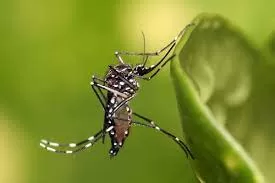
The new research, published in Current Biology, used high-speed video, deep learning, and fluorescent sperm to observe the intimate and rapid mating behavior in two invasive species: Aedes aegypti (yellow fever mosquito) and Aedes albopictus (Asian tiger mosquito). The females of both species initiated mating by elongating their genital tip in response to male genital contact, allowing interlocking and successful sperm transfer. If this movement does not occur, males’ persistent mating attempts are futile, confirming that females exercise precise control over reproduction.
Key Findings and Scientific Context
The female mosquito mates just once in her lifetime, yet she can produce hundreds of eggs from this single event by storing sperm in an internal structure called the spermatheca. After each blood meal, she uses this stored sperm to fertilize batches of eggs, typically about 150 at a time, over repeated gonotrophic cycles. This efficient reproductive strategy amplifies opportunities for disease transmission since offspring potentially carry viruses from infected parents.
Previously, scientists mistakenly believed males controlled mosquito mating because males are more aggressive and abundant during mating swarms. The study dismantled this notion by identifying the female’s genital tip elongation as a critical step. When the male mosquito’s genitalia contact the female’s genital tip, the female chooses whether to extend her tip about twice its resting length, enabling genital interlocking and sperm transfer.
This “lock-and-key” mechanism highlights a physical and behavioral basis for female choice, supporting sexual selection theories where females select mates to optimize reproductive success. While the mechanism was seen in both Aedes species, variation in male genital structures can interfere with this process, sometimes resulting in sterile offspring in inter-species mating.
Expert Perspectives
Leslie Vosshall, a neurogeneticist specializing in mosquito behavior, stated, “There’s an inherent contradiction in the assumption that females have no say. If females were passive, multiple males should be able to mate with them all the time, which doesn’t happen. This subtle female behavior explains how mating can be so tightly controlled”.
Leah Houri-Zeevi, lead author and postdoctoral scientist, emphasized the rapidity and subtlety of the female’s movement: “It’s a very fast, very subtle change, but it entirely dictates whether mating occurs. If she makes this movement, mating happens; if she doesn’t, no male’s efforts matter”.
Implications for Public Health and Control Strategies
Understanding that female mosquitoes have this fine-tuned control over mating offers promising directions for vector control strategies. Many current approaches, such as releasing sterile male mosquitoes or genetically modified males, rely on disrupting reproduction to reduce mosquito populations. Knowing the female’s role allows for more targeted interventions that might mimic or block the genital movement, potentially preventing sperm transfer or influencing mate choice to favor sterile males.
This research also underscores the importance of species-specific mating mechanics in control programs, since cross-species mating can produce sterile hybrids, affecting the efficiency of population suppression efforts. Targeted behavioral studies like this can refine mass release programs, optimizing control of disease vectors.
Limitations and Considerations
While this study provides detailed behavioral and mechanistic insights, it focuses on two Aedes species. Mating strategies may differ among other mosquito species, especially Anopheles mosquitoes that spread malaria. Further research is needed to generalize findings across vector species and to evaluate environmental influences on mating behavior in natural populations.
Moreover, the practical application of these findings in field settings requires development of tools that can interfere with the female’s mating control without unintended ecological consequences. Ethical and ecological considerations in vector control remain vital.
Practical Takeaways for Readers
For the general public, this research highlights how a tiny, nearly imperceptible biological movement shapes the reproductive cycle of mosquitoes, insects that spread significant diseases worldwide. While this discovery doesn’t immediately change individual protective measures, it deepens scientific understanding that could lead to more effective mosquito control technologies, reducing disease transmission risk in communities.
People can continue adhering to preventive practices like using insect repellents, eliminating standing water breeding sites, and supporting local mosquito control initiatives that may eventually benefit from advances like those revealed in this study.
Medical Disclaimer
This article is for informational purposes only and should not be considered medical advice. Always consult with qualified healthcare professionals before making any health-related decisions or changes to your treatment plan. The information presented here is based on current research and expert opinions, which may evolve as new evidence emerges.
References