 0
0
 0
0
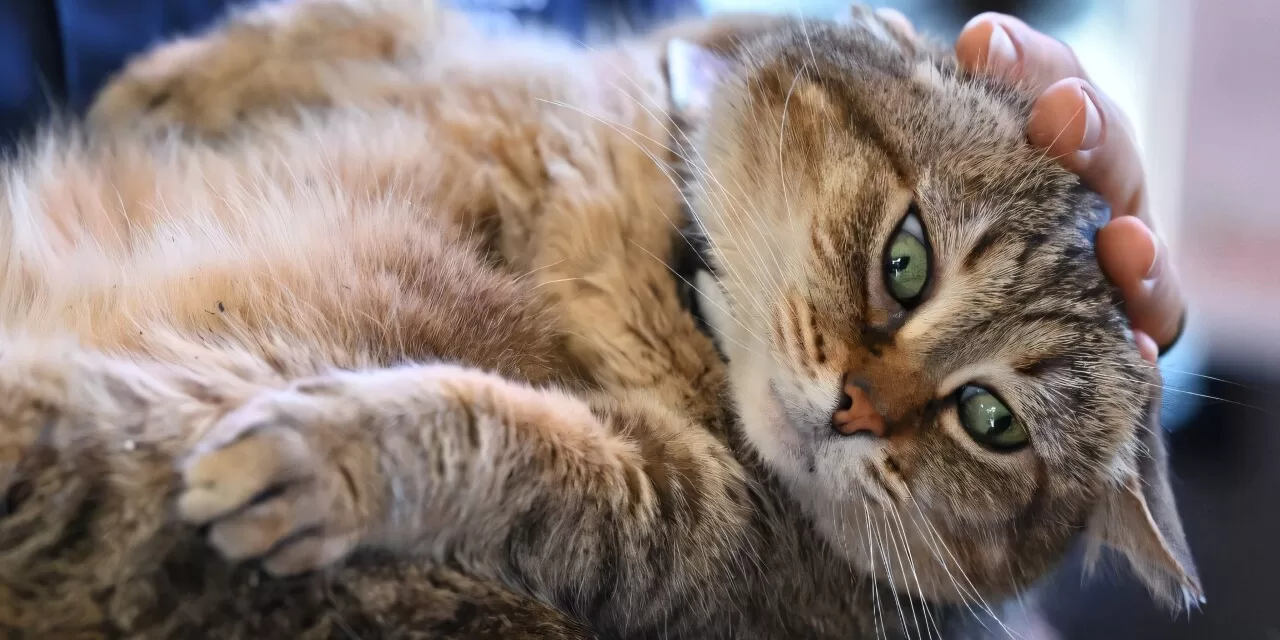
London, UK – A groundbreaking study has revealed that cats suffering from dementia exhibit brain changes remarkably similar to those seen in human patients with Alzheimer’s disease. The findings, published in the European Journal of Neuroscience, could pave the way for a more accurate model to study and combat this debilitating human condition.
Scientists at the University of Edinburgh discovered a buildup of the toxic protein amyloid-beta in the brains of cats with dementia, a key characteristic of Alzheimer’s. Feline dementia, a common ailment in older cats, manifests with symptoms such as increased vocalization, confusion, and disrupted sleep patterns, mirroring the symptoms of human Alzheimer’s.
The research team examined the brains of 25 deceased cats, utilizing advanced microscopy to detect amyloid-beta accumulation within the synapses of older and demented cats. They also observed that supportive brain cells, known as astrocytes and microglia, were actively engulfing affected synapses in a process called synaptic pruning, which can lead to synapse loss in dementia.
This study is particularly significant because it provides a naturally occurring model for Alzheimer’s research, which may be more effective than traditional genetically modified rodent models. The shared neurological characteristics between feline dementia and human Alzheimer’s could accelerate the development of new treatments for both species.
The research was funded by Wellcome and the UK Dementia Research Institute.
Disclaimer: This article is for informational purposes only and is not a substitute for professional veterinary or medical advice. Consult with a qualified professional for any health concerns.
Reference: European Journal of Neuroscience, 12 August 2025. “Cats with dementia show brain changes similar to Alzheimer’s in humans.”