 0
0
 0
0
March 7, 2026
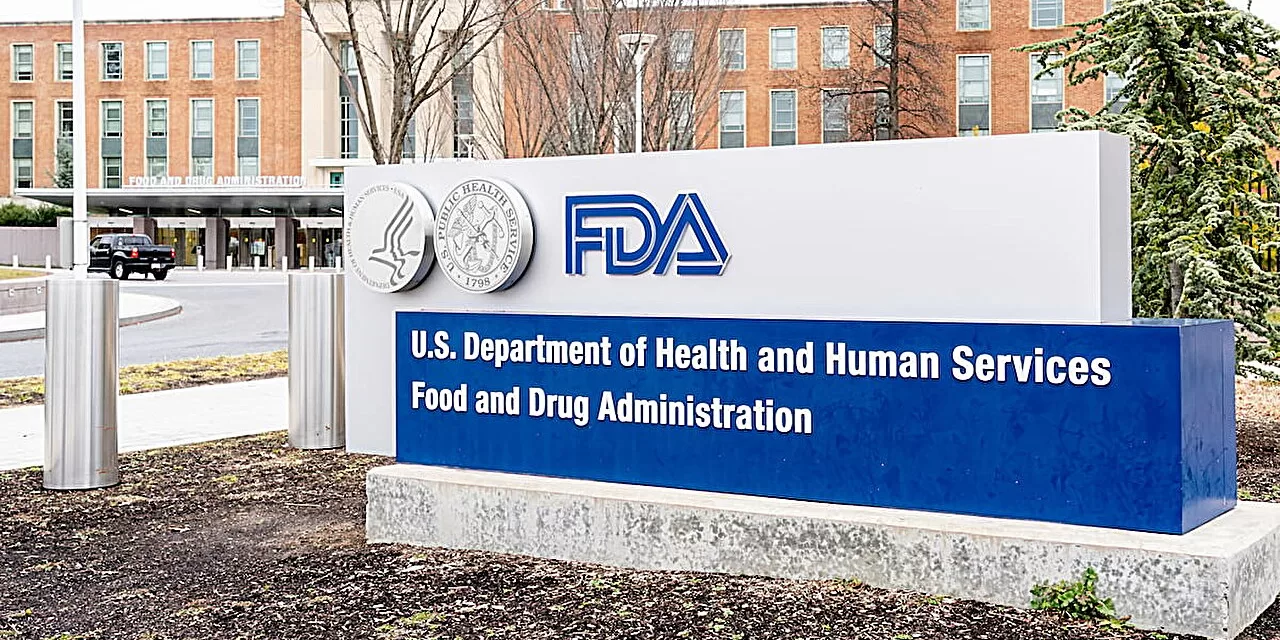
The leadership of the United States’ primary vaccine regulatory body is entering a period of transition. Dr. Vinay Prasad, the head of the Food and Drug Administration’s (FDA) Center for Biologics Evaluation and Research (CBER), will step down from his post at the end of April 2026. A spokesperson for the U.S. Department of Health and Human Services (HHS) confirmed the departure this week, marking the end of a brief and frequently debated tenure for the hematologist-oncologist and health policy researcher.
Dr. Prasad’s exit comes less than a year after his appointment by FDA Commissioner Dr. Marty Makary. As the director of CBER and the agency’s Chief Medical and Scientific Officer, Prasad has been responsible for the federal oversight of vaccines, blood products, and advanced therapies like gene and cell editing. His departure raises significant questions regarding the future direction of U.S. vaccine policy and the strategies used to maintain public confidence in immunization programs.
Who is Vinay Prasad and Why His Role Matters
Before joining the FDA in May 2025, Dr. Vinay Prasad was widely known as a vocal critic of the very agency he was tapped to lead. Formerly a professor at the University of California, San Francisco (UCSF), his academic work centered on the quality of evidence in oncology and the rigorous assessment of medical interventions.
At the FDA, his role was dual-faceted and immense. As director of CBER, he oversaw:
-
Vaccines: Preventive shots for infectious diseases ranging from the flu to COVID-19.
-
Blood Products: The safety of the nation’s blood supply and plasma-derived therapies.
-
Biologics: Cutting-edge treatments, including allergen products and HIV diagnostics.
-
Cell and Gene Therapies: Rapidly evolving treatments for rare genetic disorders.
Because CBER’s decisions dictate which biological products reach the American public, the director is often seen as the “gatekeeper” of medical innovation and safety.
A Turbulent Tenure: Rigor vs. Speed
Dr. Prasad’s time at the FDA was defined by a shift toward more conservative regulatory standards. Even before taking office, he expressed skepticism regarding COVID-19 vaccine mandates and the speed of pediatric vaccine rollouts, calling for more robust risk-benefit communication.
Once installed, Prasad implemented several high-profile policy changes that sparked debate across the medical community:
-
Emphasis on Placebo-Controlled Trials: He advocated for future vaccines to rely on gold-standard placebo trials. While these provide the clearest data on safety and efficacy, they can also extend the time it takes for a vaccine to reach the market.
-
Stricter COVID-19 Pathways: Under his leadership, CBER narrowed the approval pathway for COVID-19 vaccines, moving away from the expedited “emergency” frameworks used during the height of the pandemic.
-
Regulatory Friction: His division issued negative decisions on several experimental therapies, including those from biotech firms Replimune and Capricor, signaling a higher bar for clinical evidence.
These moves were praised by those who felt the FDA had become too “permissive” in recent years. Conversely, patient advocacy groups and some industry leaders worried that the heightened requirements would delay access to life-saving treatments for rare diseases.
The Stability of Institutions
This is not the first time Dr. Prasad’s leadership has made headlines. In July 2025, just months after his appointment, he briefly stepped down following media scrutiny regarding his past commentary, only to return two weeks later. This final departure in April 2026 marks a definitive end to a period characterized by friction between his personal advocacy for evidence-based medicine and the diplomatic requirements of a high-ranking government official.
Despite the high-profile nature of this exit, independent experts urge the public to remain focused on the FDA’s institutional strength.
“Leadership transitions can temporarily slow complex regulatory decisions, but the underlying review teams and statutory standards remain in place,” says Dr. Helen Keane, an infectious disease physician and policy observer. “The day-to-day oversight of vaccine safety is conducted by career scientists and established protocols that do not change when a director leaves.”
However, Dr. Keane notes that public perception is fragile. “When a high-profile figure leaves amid policy disputes, it can fuel speculation. Transparency about the transition is essential to keep the public’s trust.”
What This Means for Your Health Decisions
For health-conscious consumers and healthcare providers, the transition at CBER carries several practical implications:
-
Review Timelines: A change in leadership may shift how the FDA prioritizes upcoming applications for updated COVID-19 boosters, RSV vaccines, or next-generation flu shots.
-
The “Evidence Bar”: Whether a successor continues Prasad’s focus on long-term randomized trials or returns to more accelerated pathways will influence how quickly new biologics hit the shelves.
-
Communication: Clear messaging from the FDA and CDC will be vital in the coming months to ensure that leadership turnover is not misinterpreted as a lapse in safety standards.
For the average citizen, the fundamental truth remains: any vaccine authorized in the U.S. must meet rigorous federal thresholds for safety and effectiveness. These standards are grounded in law and checked by multiple independent advisory committees.
Looking Ahead: A Search for Consensus
As the search for a permanent successor begins, the medical community remains divided on the best path forward. The debate highlights a core tension in modern medicine: how much uncertainty should we accept for the sake of speed?
While Dr. Prasad’s tenure was short, it forced a national conversation on the necessity of high-quality data versus the urgent needs of patients with rare conditions. As the FDA moves forward, the agency’s ability to communicate the “why” behind its decisions will be just as important as the decisions themselves.
For now, patients are encouraged to consult their primary healthcare providers for the most current, personalized advice regarding vaccinations and biological treatments.
Medical Disclaimer: This article is for informational purposes only and should not be considered medical advice. Always consult with qualified healthcare professionals before making any health-related decisions or changes to your treatment plan. The information presented here is based on current research and expert opinions, which may evolve as new evidence emerges.
References
-
Reuters. FDA vaccines chief Vinay Prasad to step down in April. Published March 6, 2026.