 0
0
 0
0
On August 22, 2025, the U.S. Food and Drug Administration (FDA) announced the immediate suspension of the biologics license for IXCHI-Q, a live-attenuated chikungunya vaccine developed by Valneva Austria GmbH. Initially approved in November 2023 under the accelerated pathway for preventing chikungunya virus infection in adults at risk, the vaccine has been linked to serious adverse events, including chikungunya-like illness, hospitalizations, and three deaths, raising significant safety concerns that prompted FDA’s decisive action.
Key Developments and Findings
IXCHI-Q was granted accelerated approval by the FDA in late 2023 to combat the chikungunya virus (CHIKV), a mosquito-borne virus causing fever, joint pain, and sometimes severe complications. However, since its rollout, over 20 serious adverse events (SAEs) related to the vaccine have been reported, including 21 hospitalizations and three fatalities, one linked directly to vaccine-induced encephalitis confirmed by PCR for the vaccine virus strain in cerebrospinal fluid.
The FDA’s Center for Biologics Evaluation and Research (CBER) determined that the vaccine’s clinical benefits have yet to be conclusively verified in confirmatory trials. Their benefit-risk assessment indicated that, under most plausible clinical scenarios, the risks outweigh the benefits, thus posing a danger to public health if continued use remains permitted.
Expert Perspectives
Dr. Alison Grant, an infectious disease specialist not involved in the vaccine’s development, remarked, “The suspension highlights the critical importance of thorough post-approval surveillance for novel vaccines, especially those containing live-attenuated viruses. The chikungunya-like symptoms suggest the vaccine virus may provoke an active infection in some recipients, a serious safety signal we cannot ignore.”
Similarly, Dr. Emilio Sanchez, a vaccine safety researcher, emphasized the complexity of balancing rapid access to vaccines for emergent diseases with stringent safety standards. “While accelerating vaccine availability is vital in outbreaks, rigorous confirmatory studies must validate real-world safety and efficacy once wider use begins. The IXCHI-Q case underscores this ongoing challenge”.
Background and Context
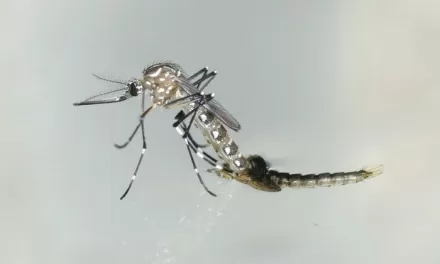
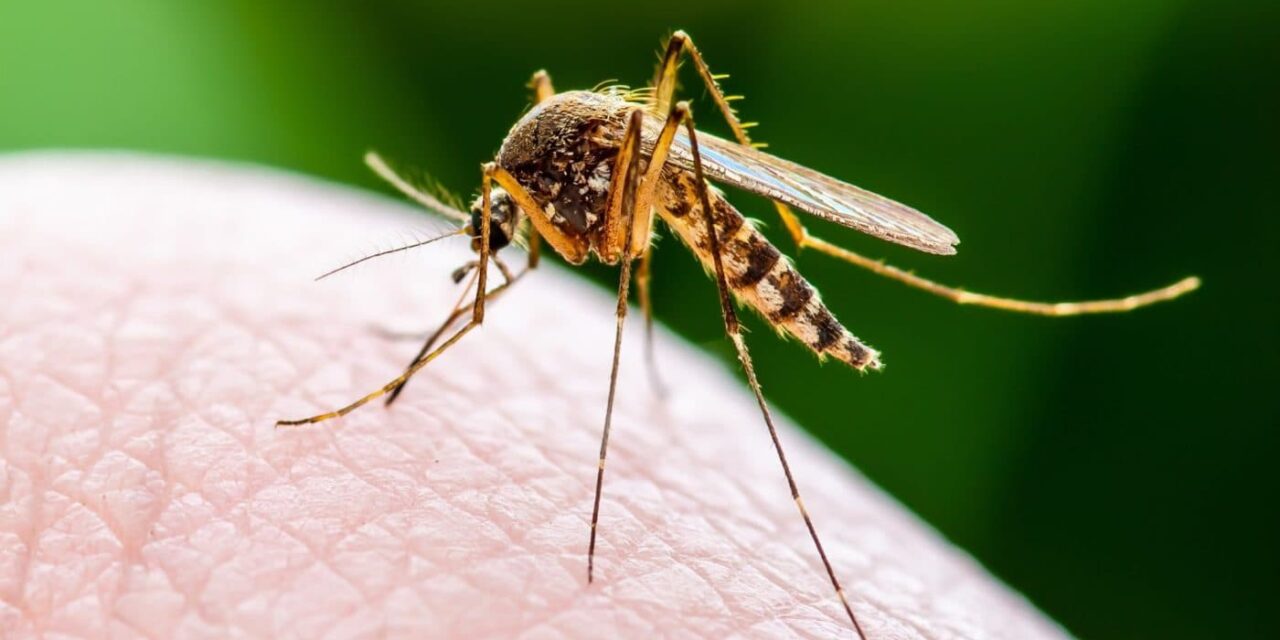
Chikungunya virus is transmitted primarily by Aedes mosquitoes, causing symptoms ranging from high fever and rash to debilitating joint pain, often lasting months or years. The disease is endemic in tropical and subtropical regions and an emerging global health threat due to expanding mosquito habitats.
IXCHI-Q employs a live-attenuated virus designed to invoke immune protection without causing full disease. The vaccine’s approval followed promising initial trial data but was contingent on confirmatory postmarket studies. Early safety warnings were present in product labeling about potential severe or prolonged chikungunya-like symptoms post-vaccination.
Prior to the FDA’s licensing suspension, regulatory agencies including the UK’s MHRA restricted IXCHI-Q use in people aged 65 and older after fatal adverse events in this demographic were reported globally. This precautionary restriction was implemented while safety reviews were ongoing.
Public Health Implications
The FDA’s suspension necessitates immediate cessation of IXCHI-Q distribution and administration in the U.S., while ongoing evaluation of safety data continues. For healthcare providers and at-risk populations, alternatives to vaccination against chikungunya are limited, underscoring the urgency for safe and effective preventive options.
Public health authorities emphasize vector control and personal protective measures against mosquito bites as key strategies for chikungunya prevention in the absence of a licensed vaccine.
Limitations and Counterarguments
Although the adverse event reports are serious, some experts caution that spontaneous reporting systems like VAERS can overestimate risk due to reporting bias. They also note that severe chikungunya-like illness caused by the vaccine strain appears rare and may disproportionately affect older adults or those with underlying conditions, demographics often excluded from initial clinical trials.
Further, the vaccine’s accelerated approval status means some data gaps were acknowledged upfront, pending confirmatory evidence. Whether modifications to dosing, patient selection, or enhanced screening could mitigate risks remains an open question pending investigations and additional study results.
Practical Takeaways for Readers
-
Individuals who have received the IXCHI-Q vaccine should monitor for symptoms such as fever, rash, severe joint pain, neurological symptoms, or signs of encephalitis and seek immediate medical attention if such symptoms develop.
-
Those considering chikungunya vaccination should consult healthcare professionals about current vaccine availability and alternative protective measures.
-
Given the live-virus nature of IXCHI-Q, it remains contraindicated in immunocompromised individuals due to risks of vaccine-related disease.
Medical Disclaimer
This article is for informational purposes only and should not be considered medical advice. Always consult with qualified healthcare professionals before making any health-related decisions or changes to your treatment plan. The information presented here is based on current research and expert opinions, which may evolve as new evidence emerges.
References
- https://www.medscape.com/viewarticle/fda-suspends-approval-ixchiq-chikungunya-vaccine-citing-2025a1000mm0