 0
0
 0
0
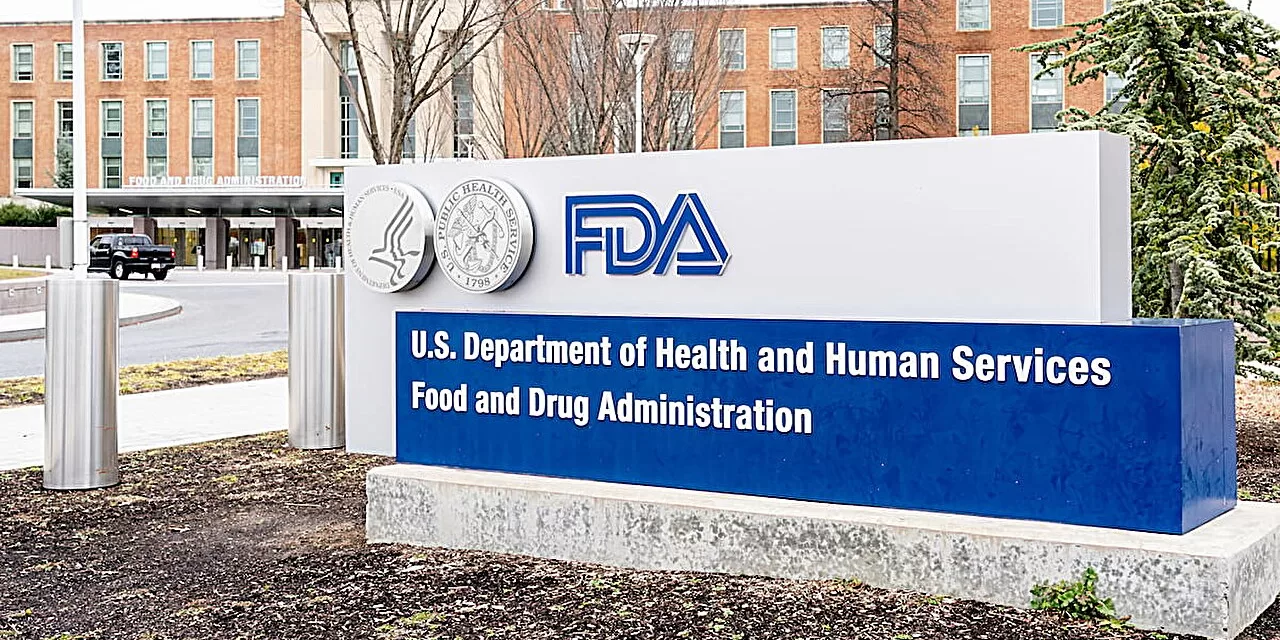
The U.S. Food and Drug Administration (FDA) issued a Complete Response Letter (CRL) on December 31, 2025, declining to approve Outlook Therapeutics’ ONS-5010 (bevacizumab-vikg, branded as LYTENAVA), marking the fourth rejection for this investigational treatment of wet age-related macular degeneration (wet AMD). Wet AMD, a leading cause of vision loss in older adults, affects millions worldwide and drives urgent demand for affordable, approved therapies. This decision underscores ongoing challenges in proving efficacy despite prior approvals in Europe and the UK.
FDA’s Rationale and Company Response
The FDA acknowledged one adequate and well-controlled study demonstrating efficacy but required additional confirmatory evidence without specifying the type needed. This CRL follows rejections in 2023 (manufacturing issues), a 2022 withdrawal, and August 2025 (insufficient effectiveness evidence), with the latest resubmission based on the NORSE clinical program, including pivotal NORSE TWO and NORSE EIGHT trials. Outlook Therapeutics CEO Bob Jahr expressed disappointment but commitment to next steps, including FDA engagement, while shares fell sharply post-announcement.
The NORSE EIGHT trial, a noninferiority study versus ranibizumab (Lucentis), showed ONS-5010’s mean visual acuity improvement of +5.5 letters at 12 weeks (versus +6.5 for ranibizumab), with comparable central retinal thickness reductions and no retinal vasculitis cases—consistent across NORSE ONE, TWO, and THREE. Despite missing the Week 8 endpoint, full 12-week data supported resubmission plans earlier in 2025.
Understanding Wet AMD’s Burden
Wet AMD occurs when abnormal blood vessels leak under the retina, causing rapid central vision loss and affecting about 1.2-1.3% of Medicare populations annually, or roughly 1.5 million in the U.S. and 20 million globally. Prevalence rises sharply with age—highest among those 75+ and White individuals—and projections estimate 288 million total AMD cases by 2040. Unlike slower dry AMD (85-90% of cases), wet AMD demands prompt intervention to preserve sight.
Current standards involve frequent intravitreal injections of anti-VEGF agents like ranibizumab, aflibercept (Eylea), or faricimab (Vabysmo), often monthly, burdening patients with visits and costs. Off-label bevacizumab (Avastin), repackaged from oncology doses, dominates in cost-sensitive regions—up to 97% use in some European countries—but lacks FDA ophthalmic approval, raising compounding sterility risks.
ONS-5010: Promise of an Ophthalmic Bevacizumab
ONS-5010 represents the first FDA-targeted ophthalmic formulation of bevacizumab, a VEGF inhibitor proven effective off-label but never standardized for eyes. European Medicines Agency approval in 2021 enabled launches in Germany and the UK by June 2025, where it matches ranibizumab’s safety and efficacy. U.S. approval could lower costs—bevacizumab is far cheaper than branded options—and streamline administration, addressing access gaps.
Julia A. Haller, MD, ophthalmologist-in-chief at Wills Eye Hospital and Outlook board member, noted NORSE EIGHT’s “immediate and sustained anatomic efficacy” with steady visual gains. Yet David A. Eichenbaum, MD, FASRS, suggested the FDA views the data compendium as insufficient, possibly due to NORSE EIGHT’s Week 8 miss or lingering CMC concerns.
Expert Perspectives on the Rejection
Retina specialists emphasize rigorous FDA standards protect patients amid wet AMD’s stakes. “While bevacizumab’s off-label success is compelling, ophthalmic-specific manufacturing and confirmatory trials ensure consistency,” said an ophthalmologist not involved in the research, highlighting variability in repackaged Avastin. Eichenbaum added the FDA likely needs more than NORSE data, questioning if new trials loom.
Counterarguments note off-label bevacizumab’s real-world comparability to Lucentis in trials like CATT and IVAN, with similar safety. Critics argue repeated CRLs delay a low-cost option, exacerbating disparities—especially as biosimilars and implants like Susvimo emerge.
Public Health Implications
This rejection prolongs reliance on expensive injections, with U.S. wet AMD care costing billions yearly. Patients face injection fatigue—up to 12/year—risking non-adherence and progression. Approval could expand access, mirroring Europe’s model, and spur competition amid pipeline therapies like gene therapies and multitarget agents.
Limitations include trial noninferiority focus, not superiority, and FDA’s unspecified demands potentially requiring costly studies. For readers, continue regular eye exams; anti-VEGF treatments stabilize 90% of cases if started early. Discuss off-label options with retina specialists, weighing risks like endophthalmitis from compounding.
Pathways Forward
Outlook plans FDA meetings to clarify requirements, potentially resubmitting with new data. Global expansion continues, with EU/UK sales underway. Patients should not alter regimens based on this news—stick to proven therapies while monitoring updates.
Medical Disclaimer: This article is for informational purposes only and should not be considered medical advice. Always consult with qualified healthcare professionals before making any health-related decisions or changes to your treatment plan. The information presented here is based on current research and expert opinions, which may evolve as new evidence emerges.
References
-
Reuters. “US FDA declines to approve Outlook Therapeutics’ eye disease drug.” December 31, 2025. https://www.reuters.com/business/healthcare-pharmaceuticals/us-fda-declines-approve-outlook-therapeutics-eye-disease-drug-2025-12-31/reuters