 0
0
 0
0
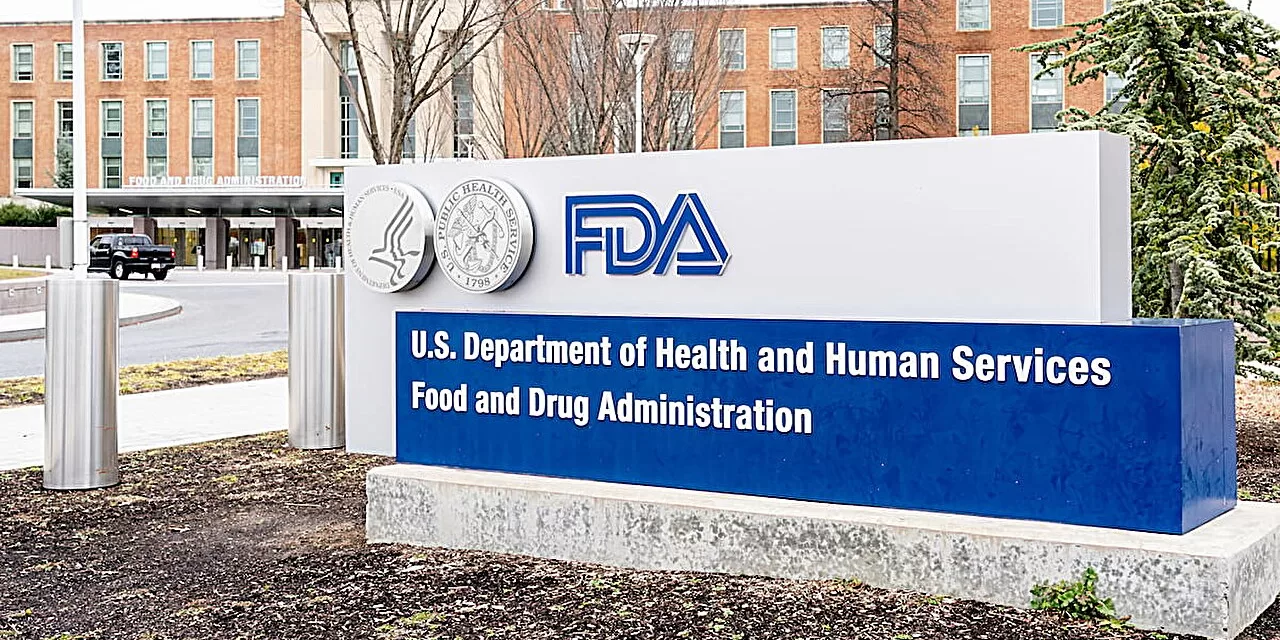
The U.S. Food and Drug Administration (FDA) issued a Complete Response Letter (CRL) on December 31, 2025, declining approval of Corcept Therapeutics’ relacorilant for treating hypertension secondary to hypercortisolism, a hallmark of Cushing’s syndrome. Corcept’s CEO Joseph K. Belanoff, MD, expressed disappointment but affirmed plans to meet with the FDA soon to chart a path forward. This decision triggered a sharp 35-50% drop in Corcept’s stock, underscoring the high stakes for patients awaiting new options.
Understanding Hypercortisolism and Cushing’s Syndrome
Hypercortisolism, commonly known as Cushing’s syndrome, arises from prolonged exposure to excess cortisol, the body’s primary stress hormone, leading to widespread health issues. Common symptoms include hypertension affecting about 80% of patients, hyperglycemia, central obesity, muscle weakness, osteoporosis, and mood disturbances; prevalence stands at roughly 40-70 cases per million annually, predominantly affecting adults aged 20-50. While pituitary tumors drive most endogenous cases (Cushing’s disease), adrenal tumors or ectopic ACTH production also contribute, making diagnosis challenging via tests like dexamethasone suppression or urinary free cortisol.
Current treatments prioritize surgery to remove tumors, with success rates of 70-90% for pituitary adenomas, but recurrence occurs in 10-20% of cases. Medical options include steroidogenesis inhibitors like ketoconazole or metyrapone, and Corcept’s approved drug Korlym (mifepristone), a glucocorticoid receptor antagonist that blocks cortisol action but carries risks like adrenal insufficiency and endometrial changes. Relacorilant aimed to improve on this profile as a selective antagonist without progesterone receptor binding.
Relacorilant’s Development and Trial Results
Relacorilant, an oral selective glucocorticoid receptor modulator, targets cortisol excess without broad steroid effects, earning orphan drug status from the FDA and European Commission. The pivotal Phase 3 GRACE trial (NCT03697109) enrolled 152 patients with Cushing’s syndrome and hypertension or hyperglycemia; in the 22-week open-label phase, 63% of hypertensive patients responded with mean systolic blood pressure drops of 7.9 mmHg and glycemic improvements (all P<.0001). The randomized withdrawal phase met its primary endpoint: placebo patients were 83% more likely to lose blood pressure control (odds ratio 0.17; P=0.02), alongside benefits in weight, cognition, and quality of life.
Supporting data came from the GRADIENT trial (NCT04308590) in adrenal-origin Cushing’s, showing 6.6 mmHg systolic reductions over 22 weeks versus placebo. Long-term extension data confirmed sustained benefits, with 24-month ambulatory blood pressure drops of 10 mmHg systolic. Safety was favorable: mostly mild-to-moderate adverse events like headache and nausea, consistent with glucocorticoid withdrawal, and no new signals.
Reasons for FDA Rejection
Despite acknowledging GRACE’s primary endpoint success and GRADIENT’s confirmatory role, the FDA deemed evidence insufficient for a favorable benefit-risk profile, demanding more effectiveness data. Analysts note potential inconsistencies between trials, particularly GRADIENT’s weaker cortisol reduction replication in adrenal cases. No manufacturing or safety issues were cited; the CRL focuses purely on efficacy gaps in this rare disorder.
This rejection echoes regulatory caution in endocrinology, where precise risk-benefit assessment is critical given cortisol’s systemic role; similar hurdles delayed other Cushing’s therapies. Corcept plans an FDA meeting to discuss additional trials or analyses, while advancing relacorilant in ovarian cancer (PDUFA July 2026).
Expert Perspectives
Dr. Rosario Pivonello, a Cushing’s expert not affiliated with Corcept, highlighted GRACE’s promise: “Relacorilant’s targeted mechanism offers rapid hypertension control without bleeding risks seen in broader antagonists” (paraphrased from presentation data). Independent endocrinologist Dr. Lynn Loriaux notes, “FDA’s bar is high for orphans; confirmatory data must be ironclad across subtypes”. Critics point to trial heterogeneity—GRACE included mixed etiologies, potentially diluting adrenal-specific signals.
Bill Guyer, PharmD, Corcept’s Chief Development Officer, emphasized: “Patients on relacorilant were 5.9 times more likely to sustain hypertension response”. Patient advocates stress urgency, as uncontrolled Cushing’s raises cardiovascular mortality fivefold.
Public Health Implications
This setback limits options for 5,000-10,000 U.S. Cushing’s patients with resistant hypertension, where current therapies normalize cortisol in only 40-50%. Korlym remains a mainstay, but patent cliffs loom, potentially hiking costs; relacorilant promised better tolerability. Patients should monitor blood pressure closely, adhere to multidisciplinary care including endocrinologists and cardiologists, and avoid self-adjusting steroids.
Broader lessons underscore FDA’s evidence rigor, protecting against marginal drugs amid 20-30% orphan approval rates. For consumers, it reinforces consulting specialists; lifestyle aids like low-sodium diets complement therapy but cannot substitute.
Limitations and Future Directions
Relacorilant’s trials, while robust (n=152+ in GRACE), faced subgroup variability and relied on surrogate endpoints like blood pressure over hard outcomes like mortality. No head-to-head data versus Korlym exists, and long-term adrenal effects need scrutiny. Counterarguments favor approval on GRACE alone, given orphan rarity, but regulators prioritize consistency.ainvest+3
Corcept eyes resubmission post-FDA dialogue, potentially with pooled analyses; ovarian cancer approval could fund further Cushing’s work. Ongoing trials explore ALS and liver disease, diversifying cortisol modulation.
Medical Disclaimer: This article is for informational purposes only and should not be considered medical advice. Always consult with qualified healthcare professionals before making any health-related decisions or changes to your treatment plan. The information presented here is based on current research and expert opinions, which may evolve as new evidence emerges.
References
-
Reuters. “US FDA declines to approve Corcept’s drug for rare hormonal disorder.” December 31, 2025.reuters