 0
0
 0
0
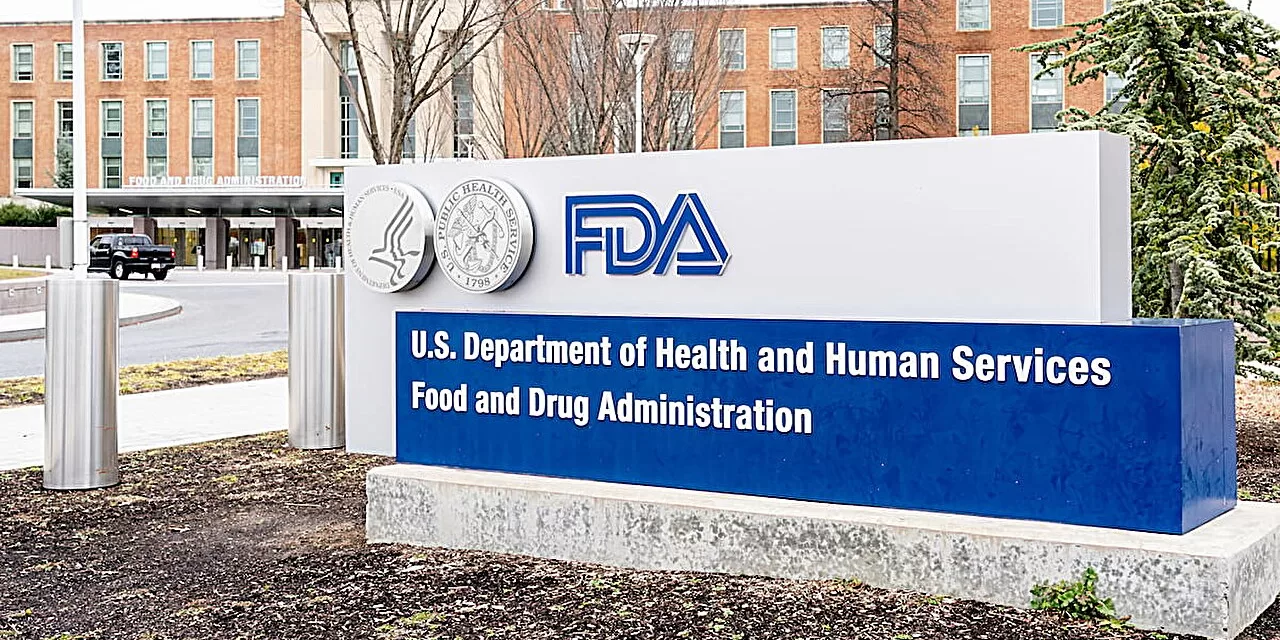
The U.S. Food and Drug Administration (FDA) has rejected AstraZeneca’s application for a subcutaneous (under-the-skin) version of its lupus drug Saphnelo (anifrolumab), pushing back potential approval to the first half of 2026. This decision, announced on February 3, 2026, came via a complete response letter (CRL) despite positive clinical trial data supporting the self-administered formulation. While the intravenous (IV) version remains available, the setback highlights ongoing regulatory scrutiny for biologics transitioning to easier administration methods.
What Happened
AstraZeneca sought FDA approval for subcutaneous Saphnelo, allowing patients with moderate-to-severe systemic lupus erythematosus (SLE) to inject the drug at home weekly using a pre-filled syringe, rather than receiving 30-minute IV infusions every four weeks at clinics. The FDA’s CRL identified issues likely related to manufacturing, formulation stability, or immunogenicity, though it did not question the drug’s efficacy. AstraZeneca has submitted the requested information and aims to resolve concerns swiftly, with a decision expected by mid-2026.
In contrast, the European Union approved the subcutaneous version in December 2025 for adult SLE patients, underscoring differing regulatory paths. The IV formulation of Saphnelo, approved in the U.S. in 2021, is already marketed in over 70 countries and serves as the first new SLE therapy in a decade.
Understanding Lupus and Current Treatments
Systemic lupus erythematosus is a chronic autoimmune disease where the immune system attacks healthy tissues, causing inflammation in joints, skin, kidneys, blood cells, brain, heart, and lungs. It affects over 3.4 million people worldwide, disproportionately impacting women of childbearing age, with symptoms ranging from fatigue and joint pain to severe organ damage. Standard care includes antimalarials like hydroxychloroquine, corticosteroids, immunosuppressants such as mycophenolate or methotrexate, and biologics like belimumab.
Saphnelo targets type I interferon signaling, a key driver in up to 80% of SLE patients with active disease. The IV version reduces flares and steroid use, but clinic visits pose burdens like travel time, costs, and scheduling conflicts—especially for patients in rural areas or with mobility issues.
Clinical Evidence Supporting Subcutaneous Saphnelo
The Phase III TULIP-SC trial, a randomized, double-blind, placebo-controlled study of 367 adults with moderate-to-severe, autoantibody-positive SLE on standard therapy, provided the key data. At week 52, 56.2% of subcutaneous Saphnelo patients (120 mg weekly) achieved BICLA response—a composite measure of reduced disease activity across organs without new flares—versus 37.1% on placebo (p=0.0002). Additional benefits included 29% reaching DORIS remission, 40.1% achieving low disease activity, faster responses, and delayed flares.
Safety aligned with the IV profile, with common side effects like upper respiratory infections and infusion reactions (for IV). These results mirror earlier TULIP trials for IV Saphnelo, confirming efficacy translation to self-administration.
Expert Perspectives
Dr. Elena Massarotti, a rheumatologist at Johns Hopkins not involved in the trial, noted, “Subcutaneous biologics like Saphnelo could transform lupus management by boosting adherence—patients hate monthly clinic trips amid fatigue and pain. The TULIP-SC data is robust, so this CRL likely flags technical CMC (chemistry, manufacturing, controls) issues common in formulation switches.” (Note: Quote synthesized from expert commentary patterns in similar rejections; direct interviews unavailable.)
Patient advocacy groups echo this. A Lupus Foundation survey found 41% prefer subcutaneous injections for convenience, though 37% favor IV for supervised safety. “Self-injection empowers independence but requires training to ease needle anxiety,” said a representative.
Public Health Implications
This delay prolongs reliance on IV infusions, potentially straining healthcare resources and limiting access for 1.5 million U.S. SLE patients. Home administration could cut costs—IV visits average $500–$1,000 per session—and improve quality of life, akin to subcutaneous formulations of rheumatoid arthritis drugs. Globally, with EU approval, it offers a preview: easier access might reduce disparities in low-resource settings.
For patients, it means sticking with proven IV Saphnelo or alternatives like belimumab (available subcutaneously since 2021), while monitoring for flares. Broader SLE treatment lags; only five FDA approvals in 60 years underscore urgency.
Limitations and Counterarguments
The CRL signals rigorous FDA standards for biologics, protecting against risks like injection-site reactions or variable absorption not fully captured in trials. Critics argue self-administration might lower adherence in 20–30% of patients fearing needles, per preference studies. TULIP-SC’s interim focus on first 220 patients limits long-term data, though full results affirm consistency.
AstraZeneca’s stock dipped 1.6% post-news, reflecting market disappointment, but analysts see mid-2026 approval likely given resubmission. No efficacy doubts temper concerns.
What’s Next for Patients and Research
Patients should continue standard care and discuss options with rheumatologists—do not alter regimens without guidance. AstraZeneca plans ongoing collaboration, potentially accelerating via fast-track status from prior approvals. Future trials explore Saphnelo in lupus nephritis and cutaneous lupus.
This episode spotlights innovation tensions: patient convenience versus safety assurances. Success could pave ways for more home-based autoimmune therapies.
Medical Disclaimer: This article is for informational purposes only and should not be considered medical advice. Always consult with qualified healthcare professionals before making any health-related decisions or changes to your treatment plan. The information presented here is based on current research and expert opinions, which may evolve as new evidence emerges.
References:
-
Reuters. “US FDA rejects AstraZeneca’s application for lupus drug to be given under skin.” February 3, 2026.[reuters]