 0
0
 0
0
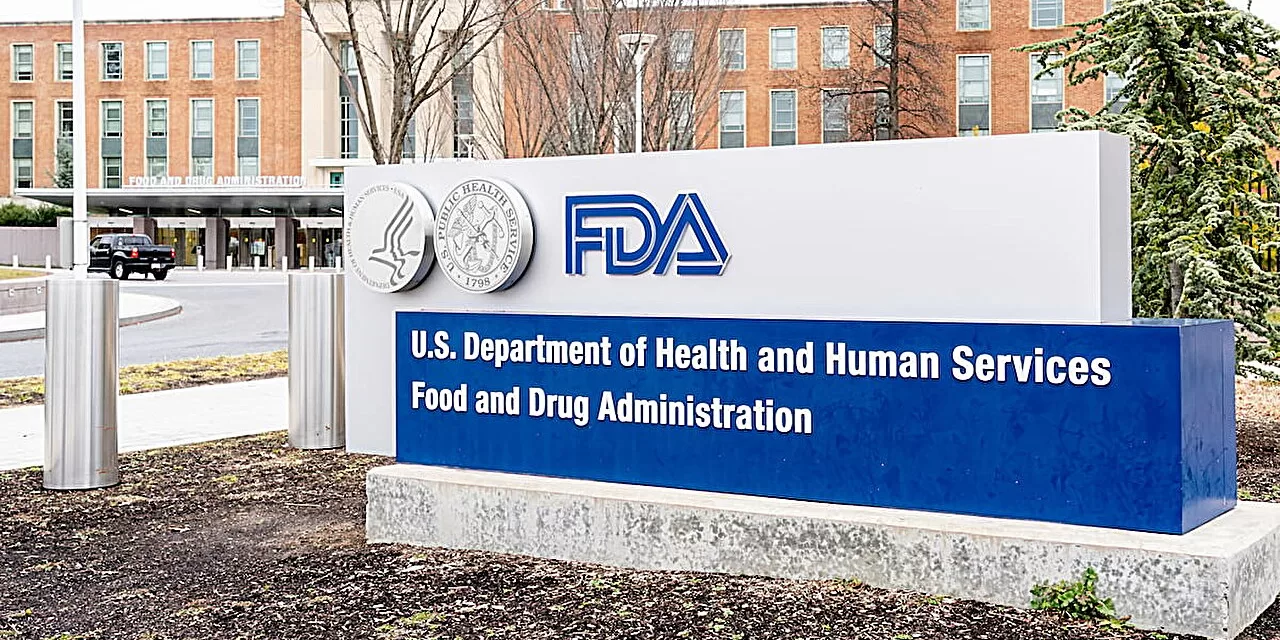
Takeda Pharmaceuticals’ blood disorder drug Adzynma is under scrutiny by the U.S. Food and Drug Administration (FDA) following the reported death of a pediatric patient with congenital thrombotic thrombocytopenic purpura (cTTP). The child, who had been on Adzynma treatment for about ten months, developed neutralizing antibodies against ADAMTS13, the enzyme that the drug replaces, which likely contributed to the fatal outcome. The FDA is investigating the risk these antibodies pose and assessing whether additional regulatory measures are necessary.
Key Findings and Background
Adzynma, approved by the FDA in 2023, is the first recombinant enzyme replacement therapy designed specifically to treat cTTP, a rare inherited blood disorder characterized by the formation of dangerous blood clots in small vessels. This disorder can cause severe complications including strokes and kidney damage. Adzynma works by substituting the missing ADAMTS13 protein to help prevent these clots. However, postmarketing reports, including the pediatric death case, have shown some patients develop neutralizing antibodies that inhibit the enzyme’s activity, which was not observed in clinical trials. The pediatric patient had previously experienced severe allergic reactions to fresh frozen plasma, a traditional treatment for cTTP, before starting on Adzynma. The development of these antibodies is believed to be linked to the enzyme replacement therapy, resulting in the worsening of neurological symptoms and eventual death about ten months into therapy.
Expert Perspectives and Regulatory Context
Health authorities report multiple postmarketing cases of antibody development linked to Adzynma. While Takeda has conducted an internal assessment finding no confirmed causal relationship with the patient death, the FDA’s ongoing probe highlights the seriousness of neutralizing antibody risks. Medical experts not involved with the case emphasize the importance of vigilant monitoring for antibody development in patients receiving enzyme replacement therapies, especially given the potential for life-threatening complications. They note that early identification of hypersensitivity reactions and antibody formation is crucial for timely intervention. The prescribing information for Adzynma does advise caution regarding possible antibody development but lacks detailed guidance on postmarketing fatal outcomes, underscoring a regulatory gap being evaluated by the FDA.
Implications for Public Health and Patients
For patients with cTTP and their healthcare providers, this investigation underscores the critical need for careful risk-benefit assessment when using novel biologic therapies. Monitoring for antibody production and neurological changes should be routine, and alternative therapies may need consideration if antibody development occurs. Since cTTP is an ultra-rare disorder with limited treatment options, Adzynma remains an important therapeutic advance, but patients must be informed of potential serious risks. Providers should educate patients on recognizing early signs of hypersensitivity or neurological symptoms. Continued research and surveillance are vital to clarify the prevalence of neutralizing antibodies and to optimize management protocols for cTTP.
Potential Limitations and Balancing Perspectives
It is important to note the rarity of such adverse events in the context of the limited patient population treated with Adzynma, and the absence of these antibodies in initial clinical trials suggests a delayed immunologic response possibly linked to longer-term therapy or specific patient factors. The absence of a confirmed direct causal link complicates definitive conclusions. This highlights how rare adverse outcomes may emerge only during broader clinical use outside carefully controlled trials. Balanced reporting requires recognition of Adzynma’s clinical benefit in preventing severe thrombosis against these serious but uncommon risks, pending further FDA findings and potential label updates.
Medical Disclaimer: This article is for informational purposes only and should not be considered medical advice. Always consult with qualified healthcare professionals before making any health-related decisions or changes to your treatment plan. The information presented here is based on current research and expert opinions, which may evolve as new evidence emerges.
References: