 0
0
 0
0
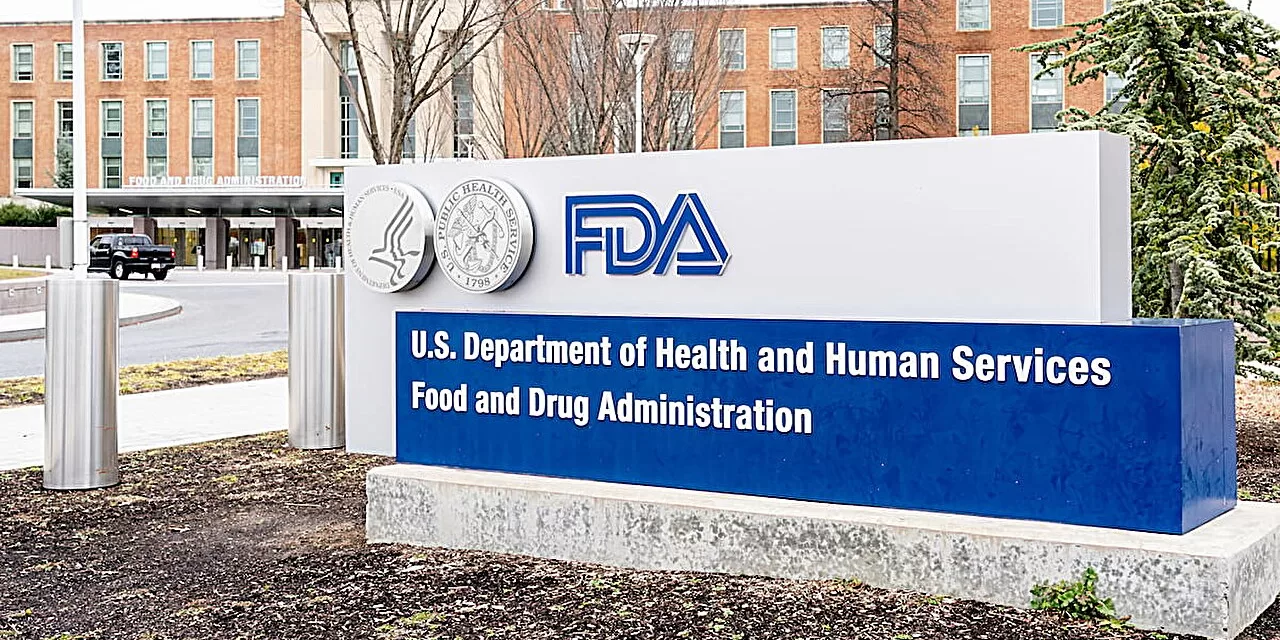
In a significant move to address pressing public health challenges, the U.S. Food and Drug Administration (FDA) has reportedly designated two of Merck & Co.’s high-potential experimental drugs as “national priorities.” According to internal agency documents and recent reports, the FDA is preparing to fast-track the reviews of Enlicitide Decanoate, an oral cholesterol-lowering pill, and Sacituzumab Tirumotecan (Sac-TMT), a novel cancer therapy.
The selection of these therapies for the Commissioner’s National Priority Voucher (CNPV) program marks a shift in regulatory strategy, aiming to collapse traditional 12-month review timelines into as little as 60 days. This decision underscores the agency’s urgency in bringing “blockbuster” potential medicines to the American public, particularly as Merck prepares for the 2028 patent expiration of its top-selling cancer drug, Keytruda.
The “National Priority” Pipeline: A New Regulatory Era
The CNPV pilot program, spearheaded by FDA Commissioner Marty Makary, MD, was established earlier this year to prioritize medicines that address “national interests.” These interests range from solving drug shortages and boosting domestic manufacturing to accelerating the delivery of transformative therapies for widespread chronic conditions.
By awarding these vouchers, the FDA is signaling that Merck’s new candidates are not just commercially significant but are viewed as essential tools for national health security.
“We are on a mission to deliver more cures and meaningful treatments to the American people,” Dr. Makary stated in a recent agency release regarding the voucher program. “This means proactively identifying potentially transformative therapies.”
A Pill to Replace the Needle: Enlicitide Decanoate
Perhaps the most anticipated of the two is Enlicitide Decanoate (also known as MK-0616). Currently, millions of Americans struggle with high LDL cholesterol—the “bad” cholesterol that leads to heart disease. While traditional statins work for many, others require more potent treatments called PCSK9 inhibitors. Until now, these have almost exclusively been available as expensive, sometimes painful injections like Amgen’s Repatha or Sanofi’s Praluent.
Enlicitide Decanoate represents a potential “holy grail” in cardiovascular medicine: the first oral PCSK9 inhibitor. Data from Merck’s Phase 3 CORALreef clinical trials, released earlier this year, showed the pill significantly reduced LDL levels in adults with hypercholesterolemia.
“The availability of an oral option in this class could be a game-changer for patient adherence,” says Dr. Sarah Thompson, a cardiologist at the Heartland Heart Institute, who was not involved in the Merck research. “Many patients are hesitant to start a lifelong injectable regimen. A daily pill that offers the same efficacy as an injection would likely increase the number of people successfully reaching their cholesterol targets.”
Merck is expected to submit its formal application for Enlicitide in April 2026, with the priority voucher potentially placing it on pharmacy shelves by mid-summer.
Expanding the Oncology Frontier: Sac-TMT
The second drug, Sacituzumab Tirumotecan (Sac-TMT), belongs to a red-hot class of medicines known as antibody-drug conjugates (ADCs). Often described as “biological missiles,” ADCs are designed to seek out specific markers on cancer cells and deliver a toxic payload directly to the tumor, sparing healthy tissue.
Sac-TMT is currently being tested against a variety of hard-to-treat cancers, including lung and breast cancer. The drug’s development was recently bolstered by a $700 million funding agreement with Blackstone Life Sciences, highlighting the industry’s confidence in its “blockbuster” trajectory.
The FDA expects Merck to file for Sac-TMT’s approval in late 2025. If fast-tracked, it could provide a critical new option for patients who have exhausted traditional chemotherapy or early-generation immunotherapies.
Economic and Public Health Stakes
The FDA’s move comes at a pivotal time for Merck. The company is facing a “patent cliff” in 2028, when Keytruda—which currently accounts for over 40% of its revenue—will lose its exclusive market protection.
From a public health perspective, the inclusion of these drugs in the priority program reflects a broader government strategy to tackle high-burden diseases. Heart disease remains the leading cause of death in the United States, and cancer remains the second. By accelerating these specific approvals, the FDA is betting that faster access will translate into lower long-term healthcare costs and improved longevity for the general population.
Challenges and Limitations
Despite the optimism, some health advocates urge caution regarding the expedited review process. Critics of fast-track programs often argue that shorter review times may leave less room for identifying long-term side effects.
“While speed is essential for patients with terminal illnesses, we must ensure that the rigor of the safety review is not sacrificed,” says Elena Rossi, a public health policy analyst. “The challenge for the FDA is balancing the need for rapid innovation with the responsibility of long-term safety monitoring.”
Furthermore, while these drugs show immense promise in clinical trials, their real-world impact will depend heavily on insurance coverage and out-of-pocket costs for patients. “A breakthrough drug is only a breakthrough if people can afford to take it,” Rossi adds.
What This Means for You
For consumers, the “National Priority” designation means that several major health hurdles may soon be easier to clear:
-
For those with high cholesterol: A more convenient, highly effective oral alternative to injections may be available within the next 12 to 18 months.
-
For cancer patients: New “targeted” therapies are moving through the pipeline at record speed, potentially offering hope for those with resistant forms of the disease.
-
For the healthcare system: The FDA is taking a more active role in picking “winners” that they believe will have the greatest impact on national health outcomes.
As the FDA and Merck move toward these 2026 submission dates, the medical community will be watching closely to see if these “blockbuster” candidates live up to their national priority status.
Medical Disclaimer: This article is for informational purposes only and should not be considered medical advice. Always consult with qualified healthcare professionals before making any health-related decisions or changes to your treatment plan. The information presented here is based on current research and expert opinions, which may evolve as new evidence emerges.
References
Primary Sources:
-
Reuters: “US FDA taps Merck drugs with blockbuster sales potential for national priority,” December 17, 2025.