 0
0
 0
0
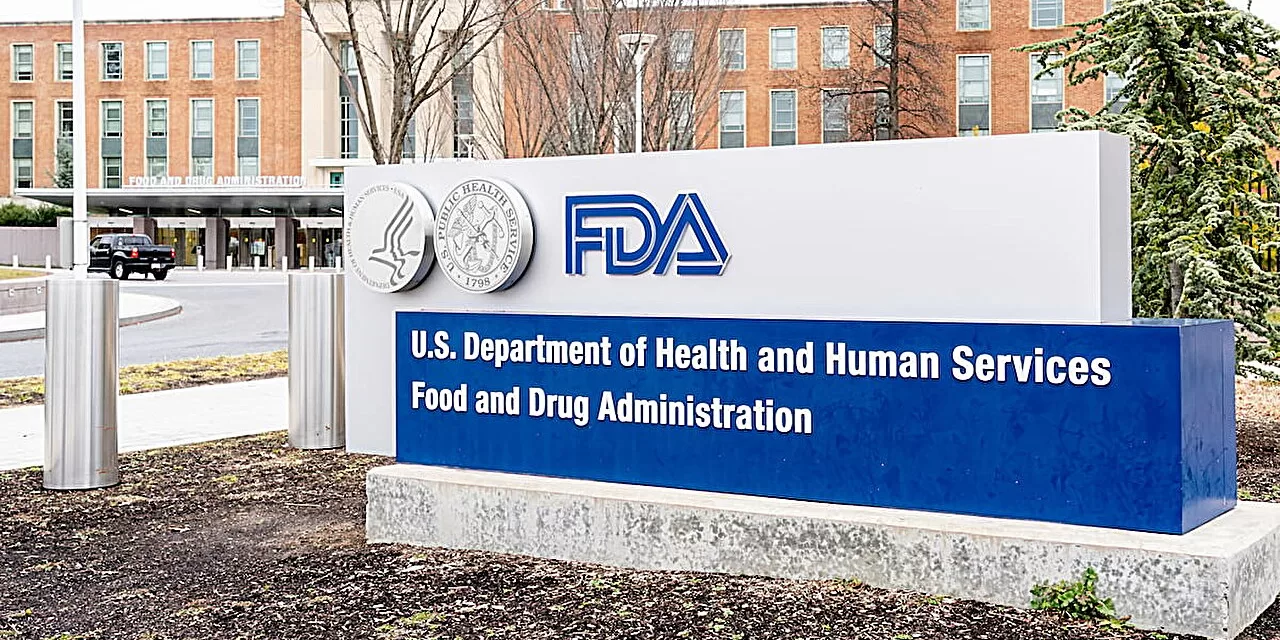
The U.S. Food and Drug Administration (FDA) has approved an expanded use of Johnson & Johnson’s antipsychotic drug Caplyta (lumateperone) as an adjunctive therapy for adults with major depressive disorder (MDD). This new approval, announced on November 6, 2025, marks a significant advancement in treatment options for one of the most common psychiatric conditions in the United States, which affects approximately 22 million adults annually.
What Is Caplyta and What Does the New Approval Mean?
Caplyta is an atypical antipsychotic medication, orally administered once daily, originally approved for treating schizophrenia and depressive episodes associated with bipolar I and II disorder. The FDA’s decision extends its indication to be used alongside oral antidepressants for adult patients whose depression symptoms persist despite standard therapy.
The approval was based on two pivotal late-stage clinical trials demonstrating that adding Caplyta to existing antidepressant regimens produced statistically significant and clinically meaningful improvements in depressive symptoms compared to placebo. These studies reported reductions in symptom scores of approximately 4.5 to 4.9 points over six weeks among patients receiving Caplyta, a notably larger effect size than many other antipsychotics approved for adjunct treatment in depression, which showed improvements up to 3.2 points.
Expert Perspectives
Dr. Amanda Lee, a psychiatrist unaffiliated with the studies, commented, “The extension of Caplyta’s use offers hope for patients who do not achieve full relief from depression with antidepressants alone. The reported efficacy combined with a tolerable side effect profile makes it a promising adjunctive option.” She emphasized cautious optimism, noting, “While these findings are encouraging, all new treatments must be considered within the larger context of individual patient response and tolerability.”
Safety and Tolerability
Clinical data suggest Caplyta is well tolerated, with no significant increase in weight gain, metabolic issues, or sexual side effects compared to placebo. This contrasts with some other atypical antipsychotics, which often cause metabolic disturbances, contributing to treatment discontinuation. Importantly, in a six-month open-label extension, 80% of patients maintained a response to treatment, and 65% achieved remission from depression.
Background and Context
Major depressive disorder is a chronic mood disorder characterized by persistent sadness, loss of interest in activities, and a range of cognitive and physical symptoms that impair daily functioning. Despite available antidepressants, about two-thirds of patients continue to experience residual symptoms, posing a major challenge in psychiatric care.
Johnson & Johnson acquired Caplyta through its $14.6 billion acquisition of Intra-Cellular Therapies earlier this year. This FDA approval is the first new indication granted to Caplyta following that acquisition, positioning the drug as a potentially lucrative addition to J&J’s mental health portfolio.
Implications for Public Health
The expanded approval provides clinicians with a novel adjunctive treatment option that may improve remission rates for patients with treatment-resistant depression. As depression remains a leading cause of disability worldwide, effective new therapies that are well tolerated and safe are critical to reducing the global disease burden. Patients and healthcare providers may find Caplyta a useful choice, especially when antidepressants alone are insufficient.
Potential Limitations and Considerations
While the clinical trials demonstrated clear benefits, long-term data beyond six months remain limited. The exact mechanism of action of Caplyta is not fully understood, which warrants continued research. Furthermore, as with all atypical antipsychotics, monitoring for side effects remains essential, particularly in diverse patient populations. Lastly, the cost and accessibility of new medications may be limiting factors for some patients.
In summary, the FDA’s approval of Caplyta as an add-on treatment for major depressive disorder offers a promising new option for patients and clinicians, supported by robust clinical trial evidence and a favorable safety profile. However, continued vigilance and individualized care will be crucial in its application.
Medical Disclaimer:
This article is for informational purposes only and should not be considered medical advice. Always consult with qualified healthcare professionals before making any health-related decisions or changes to your treatment plan. The information presented here is based on current research and expert opinions, which may evolve as new evidence emerges.
References