 0
0
 0
0
March 8, 2026
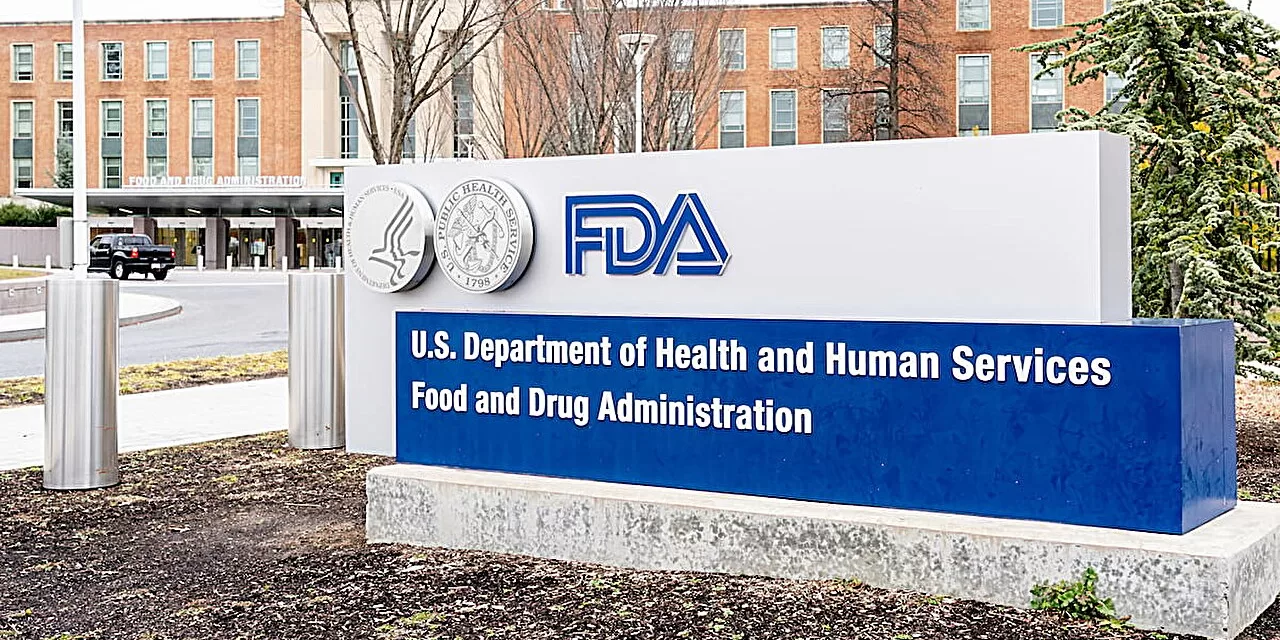
SILVER SPRING, MD — The U.S. Food and Drug Administration (FDA) announced a landmark expansion for rare disease treatment on February 27, 2026, approving BioMarin’s Palynziq (pegvaliase-pqpz) for adolescents aged 12 and older. Previously restricted to adults, this enzyme therapy offers a new biological pathway to manage phenylketonuria (PKU), a genetic disorder that, if left uncontrolled, can lead to severe neurological impairment. The decision addresses a long-standing “treatment gap” for teenagers who often struggle with the rigid dietary restrictions required to keep the condition in check.
Understanding the PKU “Toxic Overload”
Phenylketonuria is a rare metabolic disorder affecting approximately 1 in 10,000 to 15,000 newborns in the United States. Individuals with PKU lack a functional enzyme called phenylalanine hydroxylase (PAH), which is responsible for breaking down phenylalanine (Phe), an amino acid found in nearly all forms of protein.
Without this enzyme, Phe levels in the blood skyrocket, acting as a neurotoxin. For a developing brain, this “toxic overload” can cause:
-
Irreversible intellectual disabilities
-
Severe behavioral disturbances and anxiety
-
Seizures and motor tremors
-
Loss of executive function (memory and focus)
For decades, the gold standard of care has been a grueling, low-protein diet—essentially eliminating meat, dairy, nuts, and legumes—supplemented by often unpalatable medical formulas. However, maintaining this “starvation-style” diet becomes notoriously difficult during adolescence, a period marked by social pressure and a quest for independence.
The PEGASUS Trial: Shifting the Clinical Landscape
The FDA’s expansion was fueled by data from the PEGASUS Phase 3 trial, a multicenter study focusing specifically on patients aged 12 to 17 who had uncontrolled blood Phe levels (defined as $>600$ µmol/L) despite traditional therapies.
The results, according to clinical data, were statistically significant:
-
Phe Reduction: Participants saw a mean reduction in blood Phe of 49.7% over 72 weeks.
-
Comparative Efficacy: This represented a drop of approximately 409 µmol/L compared to those managed by diet alone.
-
Dietary Freedom: Nearly half of the participants achieved a 50% or greater reduction in Phe, allowing many to reintroduce standard foods into their lives while maintaining safe metabolic levels.
Unlike older treatments that try to “boost” what little enzyme a patient might have, Palynziq uses a different mechanism. It is a PEGylated version of phenylalanine ammonia lyase (PAL), an enzyme that breaks down Phe into harmless byproducts (trans-cinnamic acid and ammonia) that the body easily excretes.
Expert Perspectives: Reaching Teens Early
Medical professionals specializing in metabolic health view this as a preventative win. “In my clinic, we’ve found Palynziq adherence is even more successful in teens under 18 while they still have consistent family support,” said Dr. Harvey Levy of the Boston Children’s Hospital PKU Program. “This approval lets us reach those who benefit most before they transition to the total independence of adulthood.”
Catherine Warren, Executive Director of the National PKU Alliance, echoed the sentiment, noting that adolescence is often when patients “fall off the wagon” of dietary management. “Palynziq sets teenagers up for success… as they transition to adulthood,” she stated.
Independent specialists not involved in the BioMarin trials also noted the importance of timing. Starting enzyme therapy during the adolescent brain’s final stages of development may safeguard cognitive “reserve” that could otherwise be lost to high Phe spikes during the high-school years.
Safety, Side Effects, and the “Boxed Warning”
While the clinical results are promising, Palynziq is a potent biological therapy that requires careful management. The drug carries a Boxed Warning for anaphylaxis, a severe allergic reaction.
Key Safety Data:
-
Anaphylaxis Risk: Occurs in approximately 6% of patients, with the highest risk during the initial dose-escalation (titration) phase.
-
Common Reactions: Injection-site reactions (93%), joint pain (86%), and headaches were frequently reported.
-
Protocol: Patients must be prescribed an auto-injectable epinephrine (such as an EpiPen) and must be monitored closely by a healthcare provider during the first year of treatment.
The Cost of Care and Access
With a list price exceeding $300,000 annually, access remains a primary concern for many families. While private insurance and Medicaid typically cover orphan drugs for rare diseases, the administrative hurdle can be high. BioMarin has indicated that its RareConnections program will be expanded to support the adolescent population, providing financial assistance and navigation services for the 300-400 U.S. teens currently living with uncontrolled PKU.
Limitations and Future Outlook
It is important to note that Palynziq is not a “cure.” It requires a commitment to subcutaneous injections (initially starting at 2.5 mg/week and scaling up). Furthermore, while the PEGASUS trial showed clear efficacy, the majority of participants were of European descent, highlighting a need for more diverse long-term data.
Critics also point out that for patients with milder forms of PKU, oral medications like sapropterin or the recently approved sepiapterin (2025) may be less invasive options. However, for those with the most severe genetic mutations, Palynziq remains the only therapy capable of bringing Phe levels into a near-normal range without a restrictive diet.
As we move toward the mid-2020s, the management of PKU is shifting from “managing a deficit” to “restoring a function.” This FDA expansion ensures that the next generation of PKU patients can navigate the challenges of puberty with one less burden on their plate—literally.
References
-
BioMarin Pharmaceutical Inc. (2026, February 27). U.S. FDA Approves PALYNZIQ® (pegvaliase-pqpz) for Adolescents 12 Years of Age and Older. [Press Release].
Medical Disclaimer: This article is for informational purposes only and should not be considered medical advice. Always consult with qualified healthcare professionals before making any health-related decisions or changes to your treatment plan. The information presented here is based on current research and expert opinions, which may evolve as new evidence emerges.