 0
0
 0
0
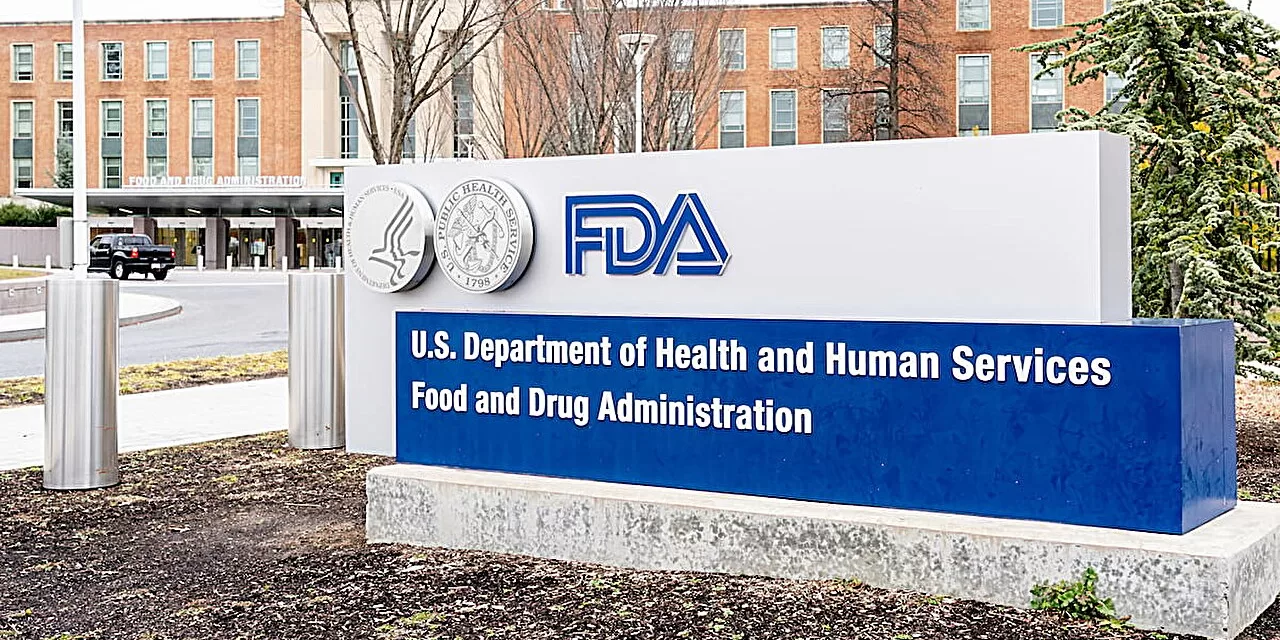
The U.S. Food and Drug Administration (FDA) announced on January 12, 2026, that it is requesting pharmaceutical companies remove warnings about suicidal thoughts and behavior from labels of popular GLP-1 receptor agonist (GLP-1 RA) weight-loss drugs, including Wegovy, Zepbound, and Saxenda. This decision follows a comprehensive review of clinical trials and postmarketing data showing no evidence of increased suicide risk associated with these medications. The move aims to standardize labeling across GLP-1 drugs and reassure patients and providers amid the drugs’ widespread use for obesity and diabetes management.
Key Developments
The FDA’s request specifically targets liraglutide (Saxenda by Novo Nordisk), semaglutide (Wegovy by Novo Nordisk), and tirzepatide (Zepbound by Eli Lilly), which had carried warnings based on postmarketing reports received since July 2023. Agency officials conducted an in-depth analysis of 91 placebo-controlled clinical trials involving 107,910 participants—60,338 on GLP-1 RAs and 47,572 on placebo—finding no elevated rates of suicidal ideation, behavior, anxiety, depression, irritability, or psychosis compared to placebo groups. This builds on a preliminary January 2024 Drug Safety Communication, where initial data suggested no broad risk but left room for a possible small effect due to limited evidence at the time.
GLP-1 RAs mimic gut hormones to reduce appetite and promote fullness, originally approved for type 2 diabetes before expanding to weight management. Their blockbuster status—millions of prescriptions annually—prompted close scrutiny after anecdotal reports linked them to mental health concerns, echoing warnings on older weight-loss drugs.
Background and Investigation
Warnings appeared on these drugs’ labels partly due to historical precedents with prior anti-obesity medications, which showed rare psychiatric signals in trials. In 2023, postmarketing surveillance via FDA’s FAERS database flagged potential signals, particularly for semaglutide in weight management, with one pharmacovigilance study reporting elevated reporting odds ratios for depression (1.87) and suicide/self-injury (1.73) based on data from 2004-2024. However, such analyses have limitations, including confounding by patient populations prone to weight gain from psychiatric medications and voluntary reporting biases.
The FDA’s multi-year probe integrated clinical trial data, observational studies, and case reports, ultimately deeming the evidence insufficient to support a causal link. Unlike diabetes-approved GLP-1s, which lacked these warnings, the weight-loss formulations carried them for caution, a discrepancy the agency now seeks to resolve for consistent messaging.
Expert Perspectives
Healthcare professionals not involved in the review have welcomed the update. “This aligns with the robust safety profile we’ve observed in real-world use; patients with obesity often face comorbid mental health issues, so distinguishing drug effects is crucial,” noted Dr. David Kessler, former FDA Commissioner, in commentary on similar regulatory shifts. Psychiatrist Dr. Norman Sussman, editor at Psychiatric Times, highlighted GLP-1 RAs’ potential psychiatric benefits: “Emerging data suggest these drugs may aid mental health through pleiotropic effects, beyond weight loss, making unwarranted warnings counterproductive.”
Endocrinologists emphasize monitoring: “While the risk appears negligible, clinicians should still screen for psychiatric history, as rapid body image changes from weight loss can influence mood,” said an expert quoted in coverage of the announcement. Neither Novo Nordisk nor Eli Lilly immediately commented, but both have long advocated for evidence-based labeling.
Public Health Implications
With obesity affecting over 40% of U.S. adults and GLP-1s driving unprecedented weight loss—up to 20% body weight in trials—this clears a barrier to broader adoption. Removing warnings could boost prescriber confidence, especially for patients with depression or anxiety on antipsychotics/antidepressants that cause weight gain. Public health gains include reduced cardiovascular risks, diabetes prevention, and improved quality of life, potentially saving billions in healthcare costs.
For everyday readers, this means continuing prescribed regimens without undue fear, while discussing concerns with providers via FDA’s MedWatch for adverse events. Globally, as these drugs gain traction in countries like India amid rising obesity, harmonized safety data supports informed policy.pubmed.
Limitations and Counterpoints
No review is definitive; the FDA acknowledges ongoing pharmacovigilance, as rare events might emerge in subpopulations. Observational studies like one in Biomedicine & Pharmacotherapy flagged semaglutide signals, though critiqued for not adjusting fully for confounders. Tirzepatide showed fewer reports, possibly due to later market entry. Critics argue real-world data post-approval warrants watching, particularly in psychiatric cohorts.
Balanced against benefits, the decision promotes evidence over anecdote, avoiding stigma that deters treatment-seeking.
Future Outlook
Label changes, once implemented, will unify GLP-1 guidance, potentially paving ways for expanded indications like addiction or Alzheimer’s, where early trials show promise. Patients should report issues promptly, ensuring science evolves with use.
Medical Disclaimer: This article is for informational purposes only and should not be considered medical advice. Always consult with qualified healthcare professionals before making any health-related decisions or changes to your treatment plan. The information presented here is based on current research and expert opinions, which may evolve as new evidence emerges.
References
-
U.S. Food and Drug Administration. “FDA Requests Removal of Suicidal Behavior and Ideation Warning from Glucagon-Like Peptide-1 Receptor Agonist (GLP-1 RA) Medications.” January 12, 2026. https://www.fda.gov/drugs/drug-safety-and-availability/fda-requests-removal-suicidal-behavior-and-ideation-warning-glucagon-peptfda
-
Reuters. “US FDA requests removal of suicide warnings from weight-loss drugs.” January 13, 2026. https://www.reuters.com/business/healthcare-pharmaceuticals/us-fda-requests-removal-suicide-warnings-weight-loss-drugs-2026-01-13/reuters