 0
0
 0
0
In a significant move toward democratizing advanced diabetes technology, the U.S. Food and Drug Administration (FDA) has cleared the first mobile application capable of integrating real-time glucose data with multiple daily injection (MDI) dosing. The clearance of the MiniMed Go Smart MDI system marks a pivotal shift for the millions of individuals who manage diabetes with insulin pens rather than wearable pumps, offering them access to the sophisticated algorithms previously reserved for automated insulin delivery (AID) systems.
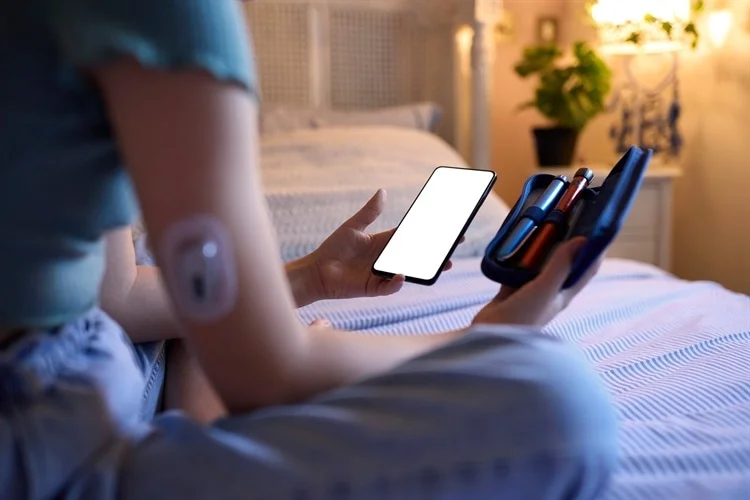
The system, developed by Medtronic Diabetes, represents a “plug-and-play” approach to digital health. It connects the Medtronic InPen—a Bluetooth-enabled “smart” insulin pen—with Abbott’s FreeStyle Libre (Instinct) continuous glucose monitoring (CGM) sensor. By syncing these two devices through a single interface, the app provides a comprehensive view of a patient’s metabolic health and offers real-time guidance on how much insulin to inject.
Closing the “Tech Gap” in Diabetes Care
For years, the gold standard of diabetes management has been the “closed-loop” or automated insulin delivery system. These systems use a pump to automatically adjust insulin levels based on CGM readings. However, for many of the estimated 15 million people worldwide who use MDI therapy, pumps can be bulky, expensive, or simply undesirable.
“For too long, people using injections have carried the weight of diabetes management without access to the algorithms that make AID systems so powerful,” said Que Dallara, executive vice president and president of Medtronic Diabetes.
The MiniMed Go system is cleared for individuals with type 1 or type 2 diabetes aged 7 years and older. Children aged 2 to 6 may also use the system under adult supervision. While currently compatible with Abbott’s sensors, Medtronic’s own 15-day Simplera sensor is currently under FDA review for integration into the platform.
How the “Smart MDI” System Works
Managing insulin is often described by patients as a “24/7 math problem.” Users must calculate doses based on current glucose levels, the amount of carbohydrates they are about to eat, and “insulin on board”—the amount of insulin from a previous dose still active in their system.
The MiniMed Go app automates these calculations. Key features include:
-
Real-time Glucose Tracking: Users see their sugar levels updated every few minutes on their smartphones.
-
Actionable Guidance: The app suggests specific “correction” doses if glucose levels are trending too high.
-
Missed Dose Alerts: If the system detects a rapid rise in glucose without a recorded injection, it notifies the user to prevent prolonged hyperglycemia.
-
Flexible Meal Modes: Recognizing that not everyone counts every gram of carbohydrate, the app offers three modes: Carb Counting, Fixed Dose, or Meal Estimation (Small/Medium/Large).
Expert Perspectives: A Shift Toward Precision Medicine
Independent experts see this clearance as a win for patient choice. Many patients experience “device fatigue” or find the lifestyle changes required by an insulin pump to be a barrier to care.
“This is about bringing precision medicine to the MDI population,” says Dr. Elena Richardson, an endocrinologist not affiliated with the Medtronic study. “We know that CGM use improves outcomes, but the missing link has always been the data silo between the sensor and the pen. By putting the ‘brain’ of a pump into a smartphone app, we reduce the cognitive load on the patient.”
Statistics from the American Diabetes Association (ADA) suggest that less than 30% of Americans with Type 1 diabetes are consistently meeting their A1c targets. Proponents of smart MDI systems argue that by automating dose calculations and providing “active insulin” tracking, patients can avoid “stacking”—the dangerous practice of taking too many doses in quick succession, which can lead to life-threatening hypoglycemia (low blood sugar).
Potential Limitations and Considerations
While the technology is a leap forward, it is not a “set-it-and-forget-it” solution. Unlike a pump-based AID system, the MiniMed Go cannot automatically deliver insulin; the user must still physically perform the injection.
“The human element remains critical,” notes health technology analyst Mark Thorne. “The system relies on the user to accurately estimate meal sizes and, most importantly, to actually take the shot when prompted. It bridges the gap, but it doesn’t close the loop entirely.”
Furthermore, as with all digital health tools, accessibility remains a concern. The app requires a compatible smartphone, and while it works with most major devices, users with older hardware may face barriers. There is also the ongoing challenge of insurance coverage for “smart” disposables like the InPen compared to traditional, low-tech insulin pens.
What This Means for Patients
For those currently using MDI, the clearance of MiniMed Go offers a path toward “pump-like” results without the pump. Patients can expect a more streamlined experience where their insulin pen “talks” to their glucose sensor, potentially reducing the frequency of highs and lows.
As diabetes tech continues to evolve, the focus is shifting from “more devices” to “smarter data.” For the millions of people who prefer injections, the smartphone is becoming the most important tool in their medical kit.
Reference Section
- https://www.medscape.com/viewarticle/fda-clears-app-integrating-glucose-data-insulin-injections-2026a10001cm
Medical Disclaimer: This article is for informational purposes only and should not be considered medical advice. Always consult with qualified healthcare professionals before making any health-related decisions or changes to your treatment plan. The information presented here is based on current research and expert opinions, which may evolve as new evidence emerges.