 0
0
 0
0
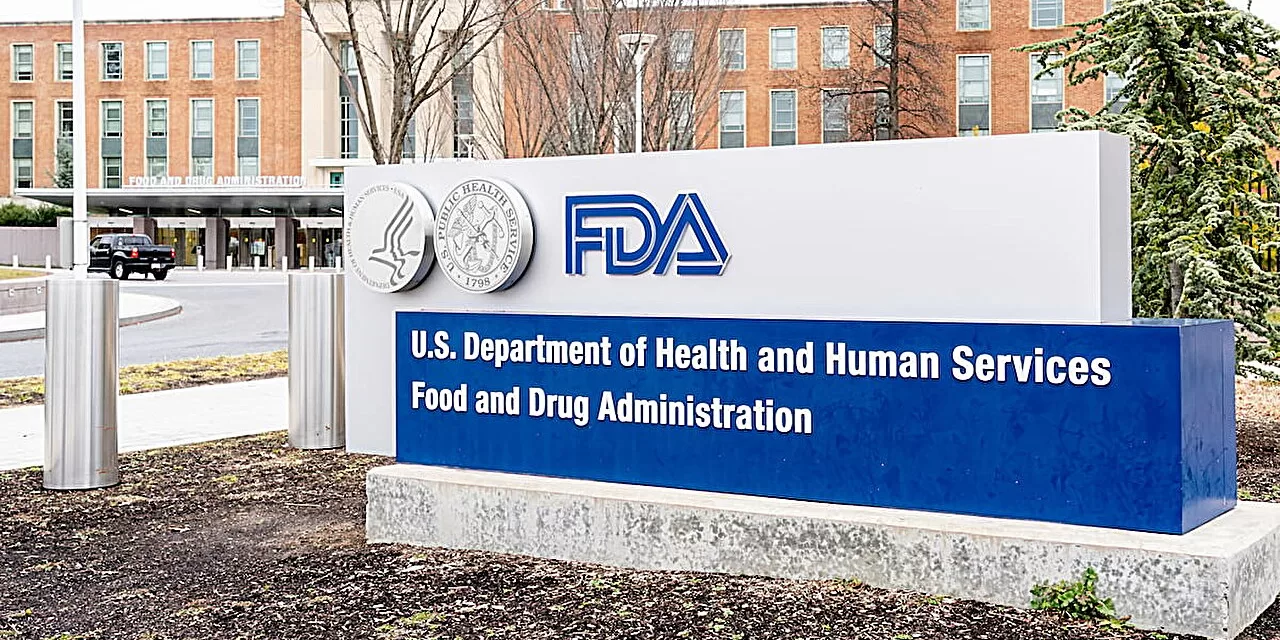
On November 6, 2025, the U.S. Food and Drug Administration (FDA) announced that it has granted six additional companies special fast-track vouchers designed to expedite the review process for their medicines. This award brings the total number of recipients of this new voucher program to 15 and aims to reduce lengthy approval timelines for treatments addressing major public health priorities such as cancer, obesity, tuberculosis, and sickle cell disease.
Key Developments and Findings
-
Fast-track vouchers are part of the FDA’s pilot program launched in June 2025, officially named the Commissioner’s National Priority Voucher (CNPV) initiative.
-
Companies awarded these vouchers commit to improving drug affordability, enhancing domestic manufacturing, or addressing pressing unmet health needs.
-
The vouchers shorten FDA drug review times from the usual 10-12 months to approximately 1-2 months.
-
Recent recipients include major pharmaceutical players like Eli Lilly and Novo Nordisk.
-
The program emphasizes both speed and national health priorities like affordability and security.
Expert Commentary
-
FDA Commissioner Marty Makary emphasized the program’s goals of accelerating reviews while maintaining rigor.
-
Outside experts note that compressing drug evaluation timelines can hasten patient access to critical treatments but caution on the need for maintaining thorough safety assessments.
Context and Background
-
Traditionally, the FDA’s standard review period for new drug applications is about 10 months, with priority review reducing this to six months.
-
The new CNPV program significantly compresses this timeline, representing a major shift in regulatory strategy.
-
Similar voucher systems have existed for rare pediatric diseases, tropical diseases, and material threat countermeasures, with mixed impacts on drug approval speed and market dynamics.
-
This initiative aligns with broader government efforts to improve drug affordability and promote domestic pharmaceutical production.
Public Health Implications
-
Faster access to innovative therapies could improve outcomes for patients suffering from serious and underserved conditions.
-
Offers the potential for increased competition and affordability if manufacturers honor pricing commitments linked to the vouchers.
-
Encourages pharmaceutical companies to prioritize national public health needs in development decisions.
Limitations and Counterarguments
-
Accelerated reviews might risk compromising thorough assessment, though FDA maintains standards.
-
The program is currently limited to a small number of drugs and companies meeting strict eligibility criteria.
-
Potential concerns about equity in which drugs or conditions receive priority.
Practical Takeaways for Readers
-
Patients may see quicker availability of new treatments for critical diseases in the near future.
-
The program may stimulate industry efforts toward more affordable and locally manufactured drugs.
-
Continued monitoring of safety and efficacy remains essential despite faster approval processes.
Medical Disclaimer
Medical Disclaimer: This article is for informational purposes only and should not be considered medical advice. Always consult with qualified healthcare professionals before making any health-related decisions or changes to your treatment plan. The information presented here is based on current research and expert opinions, which may evolve as new evidence emerges.
References