 0
0
 0
0
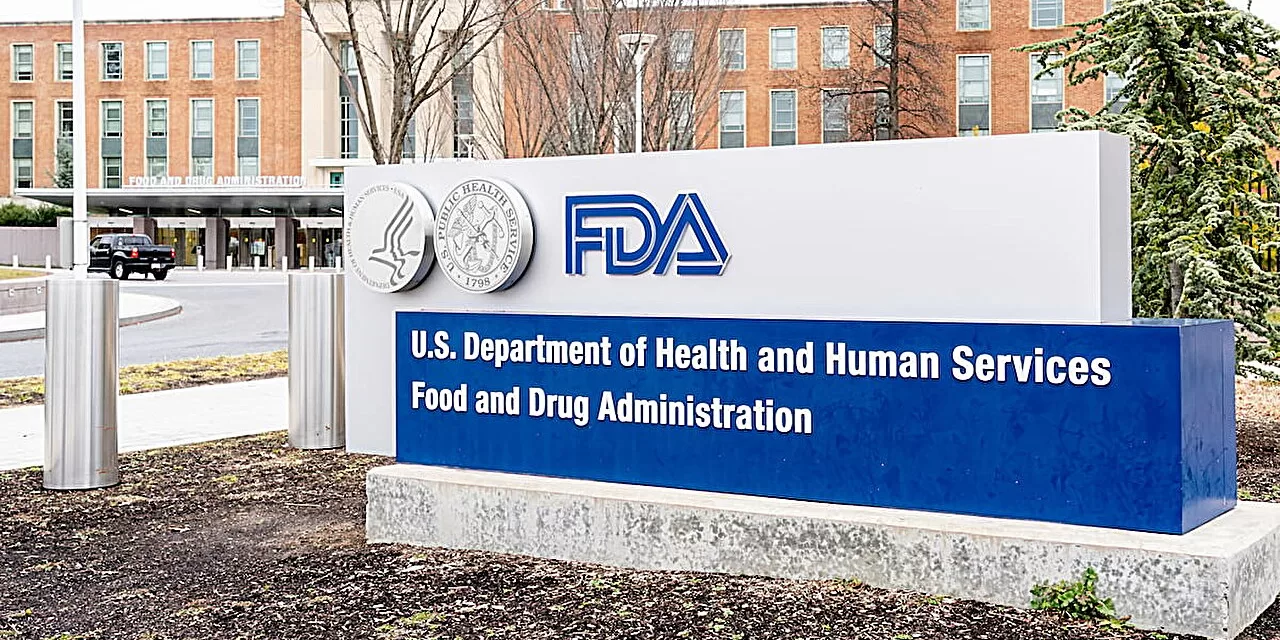
SILVER SPRING, MD — In a landmark decision for the skeletal dysplasia community, the U.S. Food and Drug Administration (FDA) granted accelerated approval on February 27, 2026, to Yuviwel (navepegritide), the first once-weekly treatment designed to increase linear growth in children with achondroplasia. Developed by Ascendis Pharma, the therapy is indicated for pediatric patients aged 2 years and older whose growth plates (epiphyses) are still open.
This approval marks a significant shift in the management of achondroplasia, the most common form of short-limbed dwarfism. By reducing the treatment burden from daily to weekly injections, Yuviwel offers a new standard of care for thousands of families navigating the physical and logistical challenges of the condition.
A New Era for Achondroplasia Management
Achondroplasia affects approximately 1 in 15,000 to 40,000 newborns worldwide. It is caused by a specific mutation in the FGFR3 gene, which acts like a “stop sign” for bone growth. In children with achondroplasia, this gene is overactive, prematurely slowing the conversion of cartilage to bone in the long limbs.
While dwarfism is the most visible sign, the condition often brings serious medical complications, including:
-
Spinal stenosis: Narrowing of the spinal canal.
-
Sleep apnea: Breathing interruptions during sleep.
-
Bowed legs: Which may require corrective surgery.
-
Chronic ear infections: Due to narrow Eustachian tubes.
Until 2021, no pharmacological treatments existed. The introduction of Voxzogo (vosoritide) provided the first daily option, but the requirement for 365 injections a year posed a significant hurdle for young children and their caregivers. Yuviwel utilizes “TransCon” technology—a prodrug design that releases the medication slowly over seven days—maintaining steady levels of the drug in the body with just 52 injections per year.
Clinical Breakthroughs: The Power of “Catch-Up” Growth
The FDA’s accelerated approval was driven by data from the ApproaCH trial, a Phase 3 study involving 84 children aged 2 to 11. The results, published in JAMA Pediatrics, demonstrated that Yuviwel significantly outpaced the natural growth rates seen in untreated children.
Key Study Metrics:
-
Annualized Growth Velocity (AGV): Children receiving Yuviwel grew an average of 5.89 cm per year, compared to 4.41 cm in the placebo group.
-
Treatment Difference: An additional 1.49 cm of growth per year ($P < .001$).
-
Secondary Gains: Improvements were noted in “height z-scores” (a measure of how a child’s height compares to the average) and physical functioning scores.
“The approval of once-weekly Yuviwel is a major step forward,” says Dr. Arnold M. Noyes, FACMG, Professor of Molecular and Human Genetics at Baylor College of Medicine. “We now have a weekly medication supported by rigorous data that allows for more personalized care plans.”
Importantly, the safety profile was encouraging. Researchers reported no treatment-related serious adverse events or symptomatic drops in blood pressure (hypotension), a side effect sometimes monitored in this class of drugs. Injection site reactions were also notably low.
Expert Perspectives: Beyond the Centimeters
While height is the primary metric for FDA approval, pediatricians emphasize that the true value of the drug may lie in improved quality of life.
Dr. Paul Hofman, a pediatric endocrinologist not involved in the clinical trials, suggests that the weekly schedule is a “game-changer” for compliance. “Reducing the injection burden on young children isn’t just about convenience; it’s about reducing the daily stress and trauma of medical intervention, which potentially leads to better long-term outcomes,” Hofman noted.
Jan Mikkelsen, CEO of Ascendis Pharma, expressed that the therapy has the potential to “revolutionize achondroplasia management,” crediting the patient advocates who participated in the decade of research leading to this moment.
Public Health and Access
The approval provides a new option for the estimated 10,000 to 25,000 children in the U.S. living with achondroplasia. However, with rare-disease therapies often carrying high price tags, questions of accessibility remain.
To address this, Ascendis has announced the A.S.A.P. (Ascendis Specialized Assistance Program). This initiative is designed to provide financial aid and insurance navigation support to ensure that the “innovation gap” doesn’t become an “access gap” for families.
Limitations and the Road Ahead
Because this was an accelerated approval, the FDA requires Ascendis to conduct further “confirmatory” trials to prove that the increased growth velocity eventually translates into meaningful clinical benefits, such as increased final adult height or a reduction in spinal complications.
Current limitations include:
-
Long-Term Data: While 3-year extension data is promising, the lifetime impact on bone density remains under observation.
-
No Head-to-Head Studies: There is currently no direct study comparing Yuviwel to Voxzogo, making it difficult for parents to know which is “better” based on data alone.
-
Individual Variability: Genetic conditions affect every child differently; some may see dramatic growth, while others may see more modest gains.
As Ascendis prepares for a Q2 2026 launch, parents are encouraged to consult with pediatric endocrinologists or geneticists to discuss if a weekly regimen is appropriate for their child’s specific growth profile and medical history.
Medical Disclaimer: This article is for informational purposes only and should not be considered medical advice. Always consult with qualified healthcare professionals before making any health-related decisions or changes to your treatment plan. The information presented here is based on current research and expert opinions, which may evolve as new evidence emerges.
References