 0
0
 0
0
Published: February 17, 2026
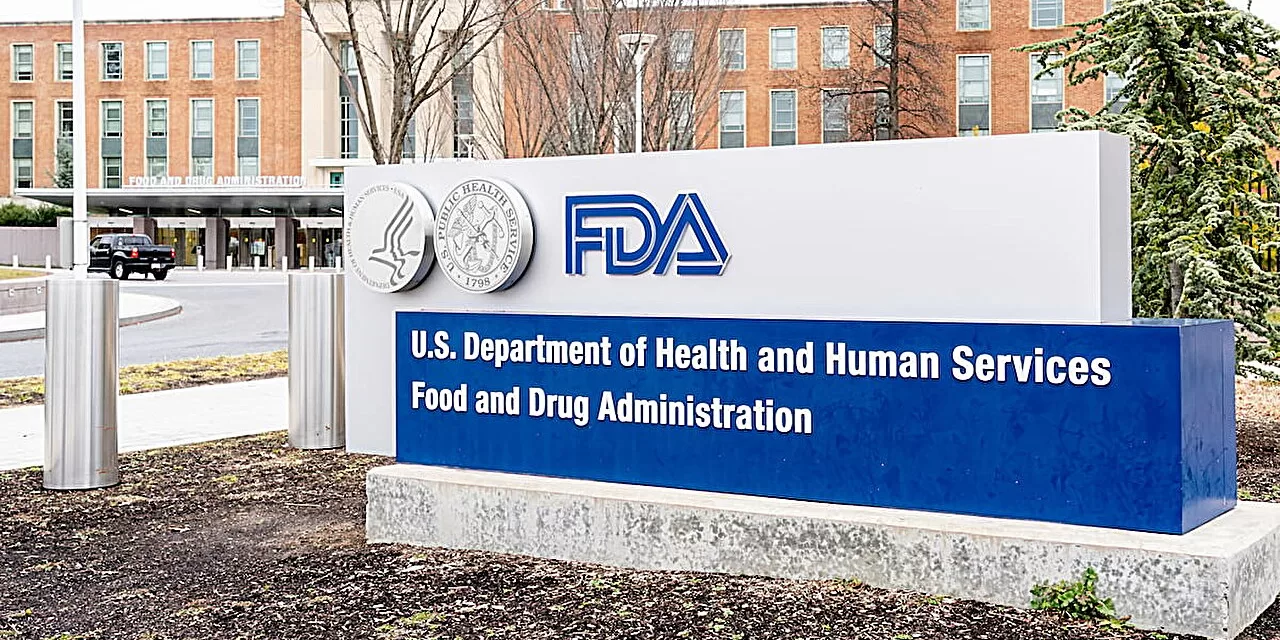
AHMEDABAD, India — Millions of Americans struggling with chronic, scaly skin conditions now have a new affordable treatment option. The United States Food and Drug Administration (FDA) has granted final approval to Zydus Lifesciences Limited for its generic Ammonium Lactate Cream, 12%. This regulatory milestone, announced in mid-February 2026, clears the way for a more cost-effective version of the brand-name Lac-Hydrin® to enter a market currently valued at approximately $15 million annually.
The approval targets two primary dermatological concerns: xerosis (abnormally dry skin) and ichthyosis vulgaris (a genetic condition characterized by thick, fish-like scales). By introducing a bioequivalent generic, health experts suggest that patient adherence may improve as out-of-pocket costs for these long-term skin maintenance therapies begin to decline.
The Science of Softening: How it Works
Ammonium Lactate is a potent member of the alpha-hydroxy acid (AHA) family. Unlike standard over-the-counter moisturizers that simply sit on top of the skin to trap moisture, this 12% formulation works through a dual-action biological process.
-
Exfoliation: It acts as a “keratolytic,” gently breaking down the glue-like bonds between dead skin cells in the stratum corneum (the outermost layer of skin). This allows rough, scaly patches to shed more easily.
-
Hydration: It functions as a humectant, pulling moisture into the skin and increasing its water-holding capacity.
“Think of it like professional landscaping for the skin,” says Dr. Elena Rossi, a board-certified dermatologist not involved in the Zydus filing. “If the skin is a plot of dried, cracked earth, this cream doesn’t just pour water on top; it tills the soil and helps it retain moisture from within. For patients with ichthyosis, whose skin doesn’t shed naturally, this is a mechanical necessity for comfort.”
Strategic Growth in the Generic Market
This approval marks a significant addition to Zydus Lifesciences’ growing U.S. portfolio, which now includes over 430 approved Abbreviated New Drug Applications (ANDAs). The cream will be manufactured at the company’s facility in Changodar, Ahmedabad—a site that notably passed a rigorous FDA inspection in February 2025 with “zero observations,” a gold standard in pharmaceutical manufacturing indicating full compliance with safety and quality regulations.
The shift toward generics is a vital component of U.S. healthcare sustainability. According to data from the Association for Accessible Medicines, generics account for roughly 90% of prescriptions filled in the U.S. but represent only a fraction of total drug spending. The entry of Zydus into this niche segment is expected to drive prices down by as much as 80% compared to branded counterparts, providing relief to uninsured or underinsured patients.
Clinical Efficacy and Safety Profile
Clinical trials and peer-reviewed studies have long established the efficacy of 12% ammonium lactate. In trials specifically targeting xerosis, the cream demonstrated a significant reduction in dryness and cracking within two to four weeks of twice-daily application.
Key Clinical Findings:
-
Absorption: Studies using skin models show only about 6.1% of the medication is absorbed systemically, meaning it does its work locally on the skin with minimal impact on the rest of the body.
-
Tolerability: While highly effective, the treatment is not without minor side effects. Approximately 10–15% of users report transient stinging, burning, or redness, particularly if applied to sensitive areas or skin with “micro-fissures” (tiny cracks).
-
The “Bricks and Mortar” Model: Dermatologists often refer to the skin barrier as a wall where cells are bricks and lipids are the mortar. Research published in PMC indicates that ammonium lactate helps “rebuild” this wall when used consistently, especially when paired with lipid-based cleansers.
| Potential Side Effect | Frequency | Management |
| Mild Stinging | 10-15% | Usually subsides within minutes of application. |
| Itching (Pruritus) | ~5% | Consult a doctor if persistent. |
| Photosensitivity | Variable | Use sunscreen; AHAs can increase sun sensitivity. |
Expert Perspectives: A “Staple” for Aging Skin
As the American population ages, the prevalence of xerosis is climbing. Thinning skin in elderly patients often leads to “winter itch” or severe cracking that can provide an entry point for bacterial infections.
“Generics identical to the reference drug ensure bioequivalence, meaning patients get the same therapeutic results for a lower price,” notes industry commentary on the Zydus approval. However, experts like Dr. John Smith, a clinical dermatologist, emphasize that “patient education is the missing link. You cannot apply this once a week and expect results; it requires a twice-daily commitment to see the ‘sanding’ effect on those rough patches.”
Limitations and Practical Advice
While the FDA approval guarantees that the Zydus generic performs the same as the brand name, it is not a “cure-all.”
-
Avoid Irritants: The cream should never be used on open wounds, fresh scratches, or near the eyes and mucous membranes.
-
Sun Caution: Because alpha-hydroxy acids exfoliate the top layer of skin, the “new” skin underneath is more susceptible to UV damage. Users are strongly advised to use high-SPF sunscreen on treated areas.
-
Comparative Efficacy: Some studies have suggested that 40% urea creams may work faster for severe heel fissures, though ammonium lactate remains the preferred choice for broader body coverage due to its texture and pH balance (which mimics the skin’s natural acidity of 4.4–5.4).
Public Health Impact
Beyond the individual patient, the availability of high-quality generics from manufacturers like Zydus supports broader public health goals. Skin health is often dismissed as cosmetic, but for those with ichthyosis vulgaris—affecting 1 in 250 people—it is a chronic, often painful condition that impacts quality of life and mental health. Increasing the supply of these treatments ensures that geography and income are less of a barrier to basic dermatological care.
For the health-conscious consumer, this approval serves as a reminder to check with pharmacists about generic availability. When a “zero-observation” facility like Zydus’ Changodar plant produces a medication, it offers a high degree of confidence in the safety and consistency of the product.
Medical Disclaimer: This article is for informational purposes only and should not be considered medical advice. Always consult with qualified healthcare professionals before making any health-related decisions or changes to your treatment plan. The information presented here is based on current research and expert opinions, which may evolve as new evidence emerges.
References
-
Zydus Lifesciences Regulatory Filing. Medical Dialogues. Published February 16, 2026.