 0
0
 0
0
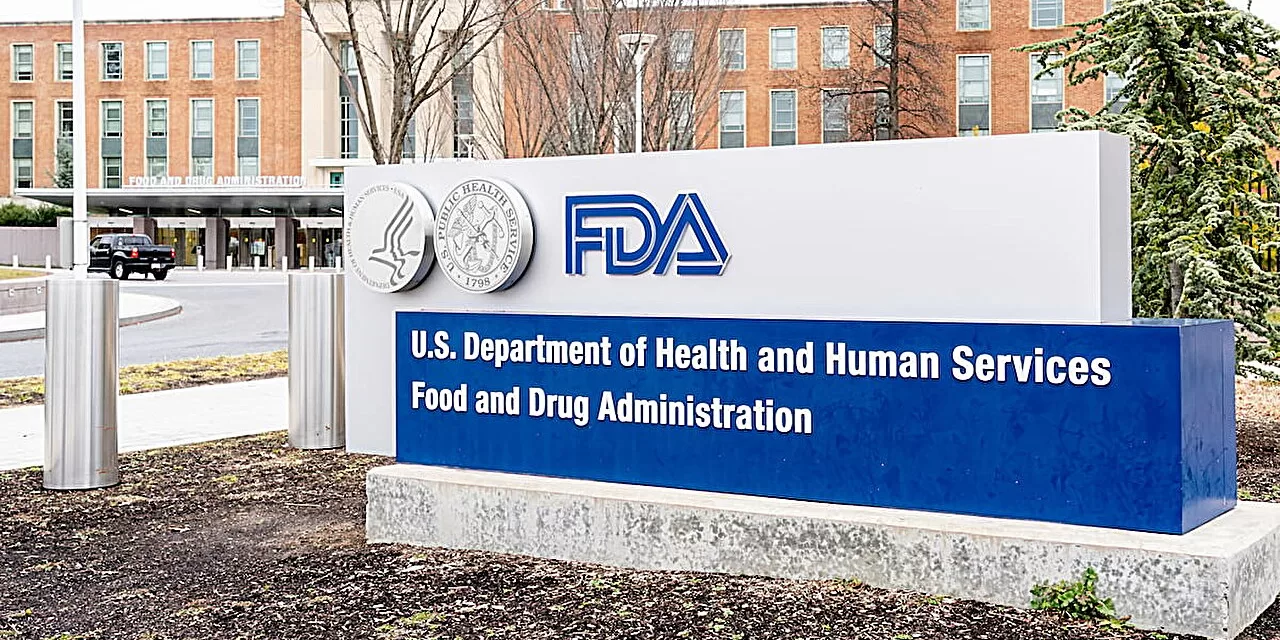
On November 13, 2025, the U.S. Food and Drug Administration (FDA) granted full approval to Kura Oncology’s Komzifti (ziftomenib), a once-daily oral therapy, for adults with relapsed or refractory acute myeloid leukemia (AML) harboring an NPM1 mutation. This marks the first targeted treatment approved for this specific genetic subtype, providing new hope for patients facing limited treatment options.
Key Findings and Developments
Komzifti is a novel menin inhibitor that targets a protein involved in cancer cell growth, specifically effective in AML cases with the nucleophosmin 1 (NPM1) mutation, which is present in about 30% of AML patients. The FDA approval was based on results from the pivotal phase 2 KOMET-001 clinical trial involving 112 patients with relapsed/refractory (R/R) AML harboring the NPM1 mutation.
In this trial, approximately 21-23% of patients achieved complete remission (CR) or complete remission with partial hematologic recovery (CRh), with responses lasting a median of five to six months. Additionally, some patients became independent of blood transfusions during Komzifti treatment. The overall response rate (ORR) was reported at 33-35%, and median overall survival reached approximately 6.6 months.
The recommended dosage is 600 mg taken orally once daily until disease progression or unacceptable side effects occur. Komzifti’s safety profile includes common but manageable side effects such as febrile neutropenia, anemia, thrombocytopenia, and differentiation syndrome, which can be serious but is closely monitored during treatment. The drug carries warnings for risks such as heart rhythm changes and potential harm to unborn babies, underscoring the need for medical supervision during therapy.
Expert Perspectives
Dr. Eunice Wang, Chief of Leukemia Service and Professor of Oncology at Roswell Park Comprehensive Cancer Center, commented: “Relapsed or refractory NPM1-mutated AML is a highly challenging disease with poor prognosis and limited treatment options. The approval of Komzifti offers a valuable new targeted therapy with promising efficacy and a manageable safety profile, representing a meaningful advancement for this patient population.”
Troy Wilson, Ph.D., J.D., President and CEO of Kura Oncology, shared optimism about the impact of this drug: “The positive pivotal data from the KOMET-001 trial gives patients with relapsed or refractory NPM1-mutated AML hope for deeper remissions and extended survival.”
Context and Background
Acute myeloid leukemia is a fast-progressing cancer impacting the blood and bone marrow, characterized by the rapid growth of abnormal white blood cells. Patients with relapsed or refractory AML—meaning their disease has returned after treatment or does not respond to therapies—face poor outcomes.
The NPM1 mutation is a genetic alteration associated with AML that influences the behavior and treatment response of the disease. Targeting molecular mechanisms like menin binding disrupts cancer cell growth pathways, offering a precision medicine approach that contrasts with traditional chemotherapy’s broad toxicity.
Before Komzifti, there were no FDA-approved therapies specifically targeted to NPM1-mutated AML in the relapsed/refractory setting, creating an urgent need for new treatments.
Public Health Implications
This FDA approval expands the arsenal against AML by delivering a precision medicine tailored for a significant genetic subset of patients. By offering a once-daily oral medication with meaningful remission rates and potential survival benefits, Komzifti can improve quality of life and treatment accessibility for those affected by this aggressive cancer.
The therapy’s approval also underscores the growing role of genetic testing in cancer management, encouraging clinicians to conduct mutation analysis to identify patients who could benefit from such targeted treatments.
Limitations and Considerations
While Komzifti marks a significant step forward, the remission rates indicate that the majority of patients do not achieve complete remission with this therapy alone. The median overall survival of slightly over six months, while meaningful, reflects the aggressive nature of relapsed/refractory AML.
Adverse effects, including differentiation syndrome and hematologic toxicities, require careful management to avoid serious complications. The drug’s long-term safety and efficacy remain under continued study, with ongoing clinical trials exploring combinations with other therapies.
Experts caution that Komzifti is not curative but represents a valuable addition to treatment options and should be used within a comprehensive care plan tailored to patient needs.
Practical Advice for Readers
For patients diagnosed with AML, especially those with relapsed or refractory disease, genetic testing for NPM1 and other mutations is essential to guide treatment decisions. Healthcare providers now have a new FDA-approved oral treatment option that may improve outcomes for this group.
Patients should discuss with their hematologist-oncologist whether Komzifti is appropriate for their condition and understand potential side effects and monitoring requirements.
Medical Disclaimer: This article is for informational purposes only and should not be considered medical advice. Always consult with qualified healthcare professionals before making any health-related decisions or changes to your treatment plan. The information presented here is based on current research and expert opinions, which may evolve as new evidence emerges.