 0
0
 0
0
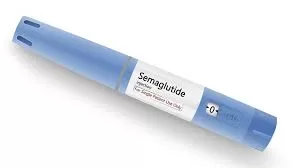
SILVER SPRING, MD — In a move that could redefine the pharmacological ceiling for weight loss, the U.S. Food and Drug Administration (FDA) on March 19, 2026, approved a new 7.2 mg maintenance dose for Novo Nordisk’s semaglutide injection, commercially known as Wegovy. This higher-strength option is designed for adults struggling with obesity who have hit weight-loss plateaus on the previous maximum dose of 2.4 mg.
The approval, granted via an accelerated 54-day review process, offers a potent new tool for the nearly 42% of Americans living with obesity. Clinical data suggests that this higher dose can help patients achieve a mean body weight loss of over 20%, a figure previously seen primarily through surgical interventions.
The STEP UP Findings: Pushing Beyond the Plateau
The FDA’s decision rests largely on the results of the STEP UP phase 3b clinical trial, a rigorous study involving 1,407 adults across 11 countries. The trial focused on individuals with a Body Mass Index (BMI) of 30 or higher who did not have diabetes.
The results, published in The Lancet Diabetes & Endocrinology, demonstrated a clear dose-response relationship. After 72 weeks:
-
7.2 mg Group: Achieved a mean weight loss of 20.7%.
-
2.4 mg Group: Achieved a mean weight loss of 17.5%.
-
Placebo Group: Achieved a mean weight loss of 2.4%.
Perhaps most striking was the “super-responder” category: nearly one-third of participants on the 7.2 mg dose lost 25% or more of their total body weight. Beyond the scale, researchers noted significant secondary health benefits, including marked reductions in waist circumference, lower systolic blood pressure, and improved lipid (cholesterol) profiles.
A companion study, STEP UP T2D, mirrored these results in patients with type 2 diabetes—a group that traditionally finds weight loss more challenging—showing weight reduction between 13% and 18.7%.
A Disciplined Climb: The New Dosing Schedule
To mitigate the gastrointestinal side effects common with GLP-1 receptor agonists, the FDA has mandated a strict titration (escalation) schedule. Patients cannot start at the 7.2 mg level. Instead, they must follow a multi-month journey:
-
Initiation: 0.25 mg weekly for four weeks.
-
Escalation: Sequential increases to 0.5 mg, 1 mg, 1.7 mg, and 2.4 mg.
-
Maintenance/Step-Up: After at least four weeks on the 2.4 mg dose, patients and providers may opt to “step up” to the 7.2 mg dose if weight loss goals have not been met.
The medication remains a once-weekly subcutaneous injection. In some clinical circles, this higher-dose regimen is already being referred to as “Wegovy HD” (High Dose).
Expert Perspectives: Opportunity Meets Caution
Medical experts view the approval as a significant evolution in personalized obesity care, though many advise a tempered approach.
“This approval addresses a critical gap for patients plateauing on 2.4 mg,” said Dr. Sean Wharton, an endocrinologist and lead investigator for the STEP UP trial. “It transforms obesity care by offering a more personalized dosing ladder rather than a one-size-fits-all maximum.”
However, the higher dose does come with an increased “symptom tax.” Jason Murphy, Head of Pharmacy at Chemist4U and an obesity specialist, noted that while the gradual titration helps, the higher dose carries a higher risk of dysesthesia—atypical skin sensations like tingling or burning. “These sensations occurred in over 20% of the high-dose group,” Murphy observed, “though they were mostly transient and rarely led to patients stopping the medication.”
Dr. Irl Hirsch, a diabetes expert at the University of Washington who was not involved in the trials, raised concerns about the practicalities of long-term use. “While the clinical results are promising, we must consider real-world adherence and the persistent barriers of cost. We also need to see how this stacks up against the newer multi-agonist drugs entering the market.”
Safety and Side Effects
The safety profile of the 7.2 mg dose is largely consistent with the established 2.4 mg version, though gastrointestinal (GI) issues are more frequent.
| Side Effect | 7.2 mg Dose Frequency | 2.4 mg Dose Frequency |
| Nausea/Vomiting/Diarrhea | 71% | 61% |
| Dysesthesia (Skin Tingling) | ~20% | <5% |
| Discontinuation due to AE | Low | Low |
Standard warnings for the GLP-1 class remain in effect, including risks of pancreatitis, gallbladder problems, and a contraindication for individuals with a personal or family history of medullary thyroid carcinoma or Multiple Endocrine Neoplasia syndrome type 2 (MEN 2).
Public Health and the “Cost of Care”
The introduction of a 7.2 mg dose arrives as supply chain issues for GLP-1 drugs begin to ease in early 2026. For the public, this represents a non-surgical alternative for achieving profound weight loss that can reverse metabolic syndrome and reduce the risk of cardiovascular events.
However, the “equity gap” remains a significant hurdle. With U.S. list prices for Wegovy often exceeding $1,300 per month, the 7.2 mg dose may be out of reach for uninsured or underinsured populations. While insurance coverage has been expanding—driven by data showing these drugs reduce long-term heart disease costs—the high price point remains a point of contention for public health advocates.
Limitations and Looking Ahead
Critics of the STEP UP trial point out that the study was industry-sponsored and lasted 72 weeks. In the world of chronic disease, 72 weeks is a relatively short window. Questions remain regarding:
-
Weight Regain: GLP-1 medications are typically intended for long-term use; many patients experience weight regain if the medication is discontinued.
-
Long-term Rare Risks: Conditions like gastroparesis (stomach paralysis) require more extensive, multi-year monitoring.
-
Non-responders: Approximately 20% to 30% of patients do not see significant weight loss even on high doses, highlighting the biological complexity of obesity.
As Wegovy 7.2 mg begins to roll out in U.S. pharmacies in April 2026, the medical community will be watching closely to see if the “more is better” approach to semaglutide translates into a permanent shift in the obesity landscape.
References
- https://www.reuters.com/business/healthcare-pharmaceuticals/us-fda-approves-higher-dose-wegovy-2026-03-19/
Medical Disclaimer: This article is for informational purposes only and should not be considered medical advice. Always consult with qualified healthcare professionals before making any health-related decisions or changes to your treatment plan. The information presented here is based on current research and expert opinions, which may evolve as new evidence emerges.