 0
0
 0
0
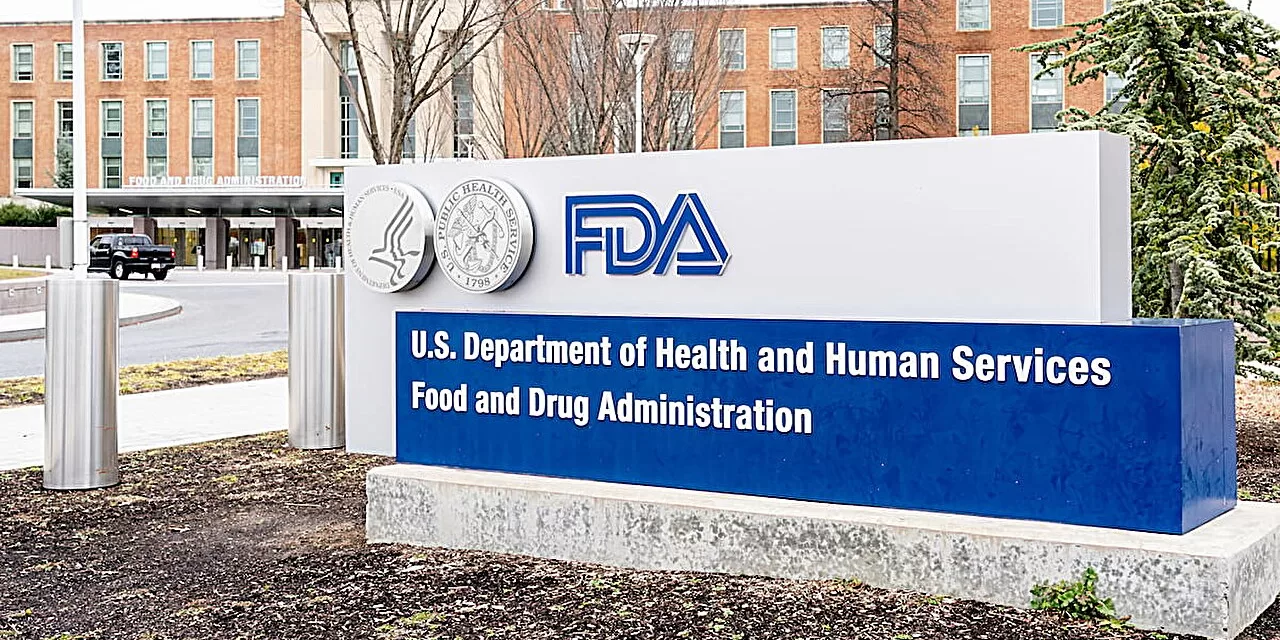
SILVER SPRING, MD — In a major development for the millions of Americans navigating the daily discomfort of chronic skin inflammation, the U.S. Food and Drug Administration (FDA) has approved ADQUEY (difamilast 1%) ointment. The approval, granted on February 12, 2026, to Acrotech Biopharma, provides a novel, non-steroidal topical treatment for adults and children as young as two years old suffering from mild-to-moderate atopic dermatitis (AD), commonly known as eczema.
As the prevalence of allergic skin conditions continues to rise globally, ADQUEY enters the market as a “phosphodiesterase 4” (PDE4) inhibitor. It offers a strategic alternative to traditional topical corticosteroids, which, despite their efficacy, are often limited by concerns over long-term side effects like skin thinning.
The Burden of the “Itch That Rashes”
Atopic dermatitis is far more than just dry skin. It is a chronic immune-mediated condition characterized by intense itching, redness, and a compromised skin barrier. In the United States alone, the condition affects approximately 31.6 million people.
The statistics reveal a significant public health challenge:
-
Prevalence: Roughly 10.8% of children and 7.3% of adults in the U.S. live with AD.
-
Quality of Life: More than 50% of patients report that the condition interferes with daily activities, and a staggering 86% endure daily itching.
-
Economic Impact: U.S. healthcare costs related to eczema exceed $5.3 billion annually.
For many, the “atopic march” begins in infancy, often leading to a lifetime of managing flare-ups and an increased risk of developing asthma or allergic rhinitis.
How ADQUEY Works: Targeting Inflammation at the Source
Unlike moisturizers that simply hydrate the skin, ADQUEY targets the underlying chemical messengers of inflammation. The active ingredient, difamilast, is a selective PDE4 inhibitor.
In a healthy immune system, a molecule called cyclic AMP (cAMP) acts as a “braking system” for inflammation. In patients with eczema, the PDE4 enzyme breaks down cAMP too quickly, allowing inflammatory signals to run rampant. ADQUEY blocks this enzyme, restoring cAMP levels and effectively “turning down the volume” on the immune overreaction that causes redness and itching.
“This approval marks a significant milestone, providing an effective, non-steroidal treatment that tackles both inflammation and pruritus (itching) in eczema,” stated Ashish Anvekar, President of Acrotech Biopharma, in a recent press release.
Because it does not contain steroids, ADQUEY can be used on sensitive areas—such as the face, eyelids, and skin folds—where traditional steroid creams are often avoided due to the risk of skin atrophy (thinning).
Clinical Evidence: Clearing the Path to Relief
The FDA’s decision was bolstered by robust data from Phase III randomized, double-blind clinical trials. These studies compared the efficacy of ADQUEY against a “vehicle” (a placebo ointment without the active drug).
Key Study Results:
-
Skin Clearance: In adult trials, 38.46% of patients using ADQUEY achieved “clear” or “almost clear” skin after four weeks, compared to just 12.64% in the placebo group.
-
Rapid Response: Significant improvements in the Eczema Area and Severity Index (EASI) were noted as early as Week 1.
-
Pediatric Efficacy: Long-term data showed that 73.5% of children reached a 75% improvement in their skin (EASI-75) by week 52, suggesting the drug maintains its effectiveness over a full year of use.
Independent experts have noted the drug’s potential for younger patients. Dr. Hideshi Saeki of Nippon Medical School, who led several trials for the drug’s earlier launch in Japan (where it is known as Moizerto), highlighted its “high tolerability and rapid efficacy” in pediatric populations.
Safety and Side Effects
In the world of dermatology, the “steroid-phobia” felt by many parents and patients is a well-documented barrier to treatment. ADQUEY’s safety profile addresses many of these concerns.
The most common side effect reported in trials was nasopharyngitis (common cold symptoms), occurring in 6% to 19.5% of participants. Importantly, this was generally deemed unrelated to the medication itself. Other minor reactions included:
-
Application-site folliculitis (irritated hair follicles)
-
Contact dermatitis (mild localized rash)
-
Molluscum contagiosum (a common viral skin infection)
Unlike some other PDE4 inhibitors currently on the market, ADQUEY appears to have a lower incidence of the “burning” or “stinging” sensation upon application—a common complaint that often leads patients to stop using their medication.
Public Health and Daily Life: What This Means for You
For healthcare providers, ADQUEY fits into a growing category of “maintenance” therapies. It allows patients to manage their condition over the long term without the “rebound flares” sometimes seen when stopping high-potency steroids.
For the consumer, the practical takeaways are:
-
Versatility: It can be used on almost any body part, including the face.
-
Ease of Use: It is typically applied as a thin layer twice daily.
-
Holistic Care: It should be used alongside standard “soak and seal” moisturizing routines, not as a replacement for them.
A Balanced Perspective: Limitations to Consider
While ADQUEY is a powerful new tool, it is not a “cure-all.”
-
Severity Limits: It is specifically indicated for mild-to-moderate cases. Those with severe, systemic eczema may still require biologics (like Dupixent) or oral JAK inhibitors.
-
Cost and Access: As a newly approved branded drug, its initial cost and insurance coverage may be a hurdle for some families compared to inexpensive generic steroids.
-
Long-term U.S. Data: While Japanese trials provide a multi-year outlook, real-world data in the diverse U.S. population is still being gathered.
Conclusion: A Turning Point in Eczema Care
The approval of ADQUEY represents a shift toward more personalized, safer dermatology. By offering a potent, non-steroidal option for both adults and children, Acrotech Biopharma and Otsuka Pharmaceutical have addressed a critical gap in the eczema treatment ladder.
As the drug launches across the U.S., it promises to provide millions with a chance to move beyond the itch and reclaim their skin health.
Medical Disclaimer: This article is for informational purposes only and should not be considered medical advice. Always consult with qualified healthcare professionals before making any health-related decisions or changes to your treatment plan. The information presented here is based on current research and expert opinions, which may evolve as new evidence emerges.
References