 0
0
 0
0
By Health Correspondent
July 27, 2025
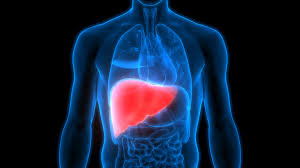
A silent epidemic is gripping India, as non-alcoholic fatty liver disease (NAFLD)—now officially classified as Metabolic Dysfunction-Associated Steatotic Liver Disease (MASLD)—rises sharply among the population. Experts warn this growing menace, widely linked to obesity, diabetes, and high cholesterol, is no longer limited to adults or drinkers but is increasingly seen even among teenagers.
Stealthy and Widespread
New findings are alarming: in 2024, a whopping 2.5 lakh individuals were screened, with 65% diagnosed with fatty liver. Even more concerning, more than half of those diagnosed (52%) exhibited normal liver enzyme levels, highlighting how this condition often eludes routine blood tests and goes undetected until it silently causes damage. These figures, revealed in the Apollo Hospitals Health of the Nation Report 2025, stress the critical need for widespread imaging and early screening to identify liver issues at a stage when they are still reversible.
Not Just an Adult Problem
Gone are the days when fatty liver was a disease of the overweight or middle-aged. Today’s fast food culture, coupled with sedentary lifestyles, means even young people are at risk. U.S. studies show that nearly 10% of adolescents have early-stage fatty liver changes, often linked to high soft drink consumption and inactivity—trends mirrored among Indian teenagers.
The Hidden Dangers
Fatty liver is more than just excess fat in the liver; it can quietly progress to serious complications like liver fibrosis, cirrhosis, and even liver cancer—often before any clear symptoms emerge. Early-stage fatty liver rarely presents noticeable symptoms, making detection during unrelated imaging or blood tests routine for many patients. When symptoms do occur in advanced cases, individuals may report fatigue, abdominal discomfort, an enlarged liver, or, in severe instances, jaundice.
Prevention and Management
Doctors advise a multi-pronged prevention strategy:
-
Adopt a wholesome diet: Prioritize vegetables, fruits, whole grains, lean proteins, olive oil, and omega-3 sources like salmon, chia seeds, and flaxseeds. Incorporating black coffee or green tea (unsweetened) and healthy snacking options like nuts or Greek yogurt with berries helps.
-
Avoid processed and sugary foods: Steer clear of sodas, candies, white bread, pastries, red and processed meats, and foods high in trans or saturated fats.
-
Exercise regularly: At least 150 minutes of moderate or 75 minutes of intense activity each week is recommended. Aiming for 40 minutes daily, six days a week, has proven benefits.
-
Manage weight: Shedding just 5–10% of body weight can significantly help.
-
Limit alcohol and certain medications: Particularly avoid statins and corticosteroids unless prescribed.
-
Control blood sugar and cholesterol: Especially for those at risk due to diabetes or other metabolic conditions1.
Looking Ahead
In a country facing a tide of lifestyle diseases, the rise of MASLD is both a medical and cultural wake-up call. Experts urge the public to embrace healthier habits, seek regular health screenings, and recognize that fatty liver is neither rare nor benign—it’s a silent killer demanding urgent attention.
Disclaimer: This news article is intended for informational purposes only and does not substitute for professional medical advice or consultation. Individuals are advised to consult health professionals for diagnosis and treatment of fatty liver and related conditions.