 0
0
 0
0
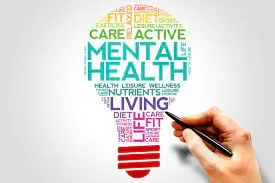
In response to the increasing mental health challenges and rising suicide rates among doctors and medical students in India, the Federation of All India Medical Association (FAIMA) has initiated a dedicated Mental Health Redressal Helpline (MHRH). This pioneering service aims to provide continuous mental health support to healthcare professionals, including doctors, residents, and medical students, to help them cope with stress, burnout, and psychological distress associated with their demanding profession.
The MHRH helpline is available 20 hours a day, seven days a week, throughout the year. Staffed by a committed team of qualified psychiatrists, it offers confidential and timely mental health assistance tailored to the unique pressures medical professionals face. Recognizing the linguistic diversity of India’s healthcare workforce, the helpline operates in multiple languages such as English, Hindi, Telugu, Tamil, Bengali, Marathi, Malayalam, and Kannada, ensuring accessible support for a broad audience nationwide.
This initiative emerges amid growing concern over extreme work-related stress experienced by doctors, particularly resident doctors and students undergoing long shifts and intense academic pressure. Such conditions have increasingly been linked to depression and tragic outcomes like suicide. The FAIMA helpline therefore represents a crucial resource, designed to foster resilience, reduce stigma, and promote professional well-being among medical practitioners.
Dr. Akshay Dongardive, National President of FAIMA, emphasized the significance of this initiative, stating, “We strongly believe that the well-being of doctors is as important as the care they provide to patients. The MHRH is a major step forward in building a supportive ecosystem for our residents, promoting resilience, and ensuring that no doctor feels alone in their struggles.” His comments highlight the association’s commitment to safeguard the mental health of those dedicated to saving lives.
The helpline’s inception is timely, given recent alarming reports of suicide cases among medical students and professionals. These incidents underscore the urgent need for reliable, specialized mental health support systems within the medical community. By providing a continuous and confidential support platform, FAIMA aims to address these challenges comprehensively, reducing isolation and encouraging early intervention.
Experts outside FAIMA underscore the importance of such mental health initiatives in medicine. Dr. Neha Sharma, a clinical psychiatrist not affiliated with FAIMA, notes, “Medical professionals face unique stressors that can profoundly affect their mental health. A focused, accessible helpline staffed by specialists is an invaluable resource that helps normalize seeking mental health care and can potentially save lives.”
The public health implications of this project are significant. Promoting mental wellness among medical professionals can enhance their overall quality of life, reduce burnout and medical errors, and improve healthcare delivery. Given the critical role of doctors in society, supporting their psychological health benefits not only individuals but also the healthcare system and patient outcomes more broadly.
However, while the helpline is a positive step, experts caution that it should be part of a broader strategy that includes systemic changes such as workload management, institutional support, and stigma reduction around mental health in medicine. Continuous evaluation and integration with other mental health services will be essential to ensure its effectiveness and sustainability.
For healthcare professionals facing stress or emotional difficulties, the FAIMA Mental Health Redressal Helpline offers a confidential, professional lifeline. Its comprehensive approach—spanning daily availability, multilingual support, and professional expertise—exemplifies an important advancement in addressing the mental health crisis among medical workers in India.
Medical Disclaimer: This article is for informational purposes only and should not be considered medical advice. Always consult with qualified healthcare professionals before making any health-related decisions or changes to your treatment plan. The information presented here is based on current research and expert opinions, which may evolve as new evidence emerges.
References:
-
Federation of All India Medical Association (FAIMA) official press release and statement by Dr. Akshay Dongardive, National President of FAIMA. Medical Dialogues, August 2025.
-
Expert commentary from Dr. Neha Sharma, Clinical Psychiatrist (interview).
-
Suicide and stress statistics among medical professionals from Indian health organizations and reported case studies (Medical Dialogues reporting).
This development marks a significant stride toward recognizing and addressing mental health needs within one of society’s most vital yet vulnerable professional groups. Supporting healthcare workers mentally is as imperative as their clinical care roles, emphasizing that to save lives effectively, doctors’ own health must be protected and prioritized.