 0
0
 0
0
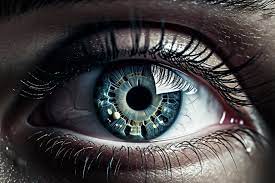
A groundbreaking study from Canadian researchers at McMaster University and the Population Health Research Institute (PHRI) has found that scanning the tiny blood vessels in the eye may provide vital clues about how quickly a person is biologically aging and their risk of developing heart disease. Published recently in the journal Science Advances (October 2025), this research offers a potential noninvasive method for early detection and assessment of vascular health, with implications for preventing cardiovascular disease and improving longevity.
Key Findings: Eye Vessels Mirror Cardiovascular Health and Aging
The study analyzed retinal images, genetic data, and blood biomarkers from over 74,000 participants drawn from four large cohorts including the Canadian Longitudinal Study on Aging, the UK Biobank, and others. Researchers found that individuals with simpler, less branched tiny blood vessels in their retina were more likely to show signs of biological aging such as increased systemic inflammation and shorter lifespan. These vascular changes in the retina accurately reflected similar deteriorations in the smaller blood vessels throughout the body, which correlate with elevated cardiovascular disease risk.
Senior author Dr. Marie Pigeyre, Associate Professor at McMaster University’s Department of Medicine and researcher at PHRI, explained, “The eye provides a unique, noninvasive window into the body’s circulatory system. Changes we observe in retinal blood vessels often mirror what is happening throughout the body’s microvasculature”.
Molecular Insights: Potential Targets for Future Therapies
Beyond imaging, the research identified two proteins—MMP12 and the IgG Fc receptor IIb—as key players in vascular aging and inflammation. These proteins may serve as promising drug targets to slow vascular aging and reduce the burden of cardiovascular diseases. Dr. Pigeyre emphasized that linking retinal scans with molecular data helps explain the pathways through which aging impacts cardiovascular health and could pave the way for new therapeutic interventions.
Context: Current Diagnosis Limitations and Promise of Retinal Scans
Presently, assessing cardiovascular and age-related diseases such as heart disease, stroke, and dementia requires multiple complex tests, including blood work, imaging, and physical exams. The results of this large-scale study suggest that a simple retinal scan could eventually serve as a quick, accessible, and noninvasive alternative or screening tool to evaluate biological aging and cardiovascular risk in diverse populations, possibly transforming routine health assessments.
While the research is promising, Dr. Pigeyre and colleagues caution that retinal scans are not ready to replace comprehensive clinical assessments yet. Further research and validation are required before such scans can be routinely used in medical practice.
Expert Perspectives and Public Health Implications
Independent cardiovascular expert Dr. Ananya Singh, Professor of Cardiology at the All India Institute of Medical Sciences (AIIMS), who was not involved in the study, commented: “This research opens fascinating possibilities. The retina truly is an underutilized diagnostic window. However, implementation will require robust standardization and demonstration of cost-effectiveness across populations.”
For the general public, these findings underscore the importance of regular eye check-ups beyond vision correction. Retinal health reflects overall vascular wellbeing and may provide early warnings of hidden cardiovascular risk. Preventive strategies such as healthy diet, exercise, managing blood pressure, and avoiding smoking remain paramount to maintaining vascular and heart health.
Limitations and Balanced Reporting
As with any observational study, the findings should be interpreted cautiously. The association between retinal vessel morphology and cardiovascular risk does not imply causation. Genetic and environmental factors also influence both retinal and systemic vascular health. Moreover, the complexity of implementing retinal scans widely involves technological and logistical challenges.
Future longitudinal trials are needed to confirm whether interventions guided by retinal imaging can effectively reduce cardiovascular events and improve lifespan. While exciting, retinal scans should complement—not replace—existing cardiovascular risk assessments.
Medical Disclaimer
This article is for informational purposes only and should not be considered medical advice. Always consult with qualified healthcare professionals before making any health-related decisions or changes to your treatment plan. The information presented here is based on current research and expert opinions, which may evolve as new evidence emerges.
References
- https://madhyamamonline.com/lifestyle/health/eye-scans-may-help-detect-ageing-and-heart-disease-risk-study-finds-1460567
- https://health.medicaldialogues.in/health-topics/eye-health/eye-scans-may-predict-heart-disease-and-biological-ageing-say-researchers-157448